
The rationale for the nurse needing to be aware of their own feelings while working with the family experiencing domestic violence is best explained as:
strong positive feelings lead to underinvolvement with the victim.
awareness protects one's own mental health.
strong negative feelings interfere with assessment and judgment.
positive feelings promote the development of sympathy for clients.
The Correct Answer is C
C. This awareness is crucial because personal emotions can cloud professional judgment, leading to bias in assessing the situation and making decisions. It's important for healthcare professionals to maintain a level of emotional detachment in order to provide the most objective and effective care.
A. Positive feelings alone are not likely to lead to underinvolvement. Instead, the risk lies more in becoming overly empathetic or emotionally attached, which could cloud judgment or compromise professional objectivity.
B. Recognizing and acknowledging one's own feelings while working with families experiencing domestic violence can help prevent emotional burnout and maintain mental well-being. However, this does not relate directly to domestic violence.
D. Experiencing only positive feelings without acknowledging the complexities and challenges of the situation may hinder the nurse's ability to provide comprehensive care and support to the victim.
Nursing Test Bank
Naxlex Comprehensive Predictor Exams
Related Questions
Correct Answer is A
Explanation
A. he CAGE questionnaire is a widely used screening tool for alcohol use disorder (AUD). It consists of four questions that assess the client's alcohol consumption, attempts to cut down or control drinking, feelings of guilt about drinking, and whether alcohol use interferes with daily activities or responsibilities.
B. The CIWA is a tool used to assess the severity of alcohol withdrawal symptoms in individuals with alcohol dependence who are undergoing detoxification or withdrawal management. The CIWA is not specifically used for screening alcohol use disorder but rather for monitoring and managing alcohol withdrawal symptoms in individuals with known alcohol dependence.
C. The AIMS is a tool used to assess for the presence and severity of abnormal involuntary movements, particularly those associated with antipsychotic medications or conditions such as tardive dyskinesia. It is not used for screening alcohol use disorder.
D. The ORT-OUD is a screening tool specifically designed to assess the risk of opioid use disorder (OUD) in individuals who are prescribed opioid medications for chronic pain. It is not used for screening alcohol use disorder.
Correct Answer is B
Explanation
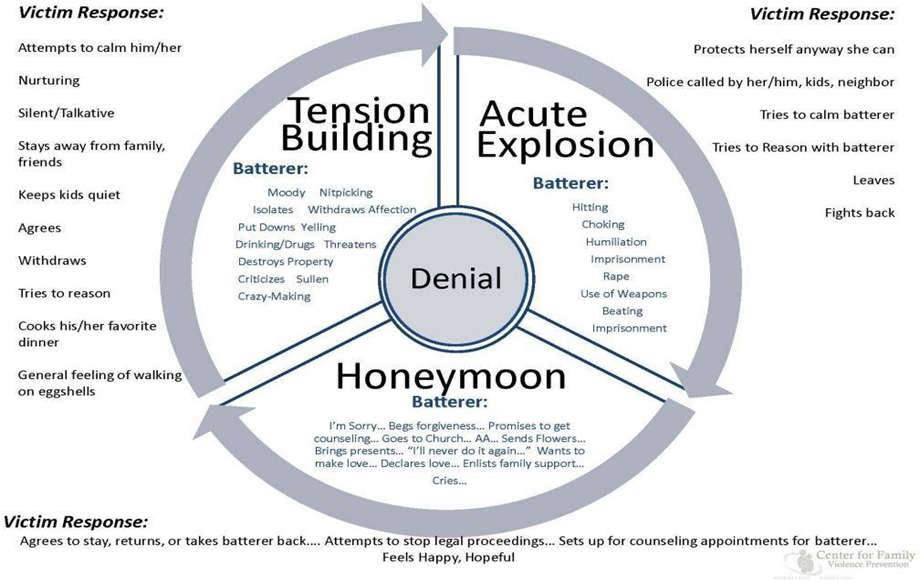
B. The honeymoon phase occurs after the acute battering incident and is characterized by the abuser showing remorse, apologizing, and trying to reconcile with the victim. During this phase, the abuser may express love, affection, and promises to change.
A. This phase is not typically recognized as a distinct phase in the cycle of abuse.
C. The acute battering incident is the phase characterized by the actual physical or emotional abuse. It is the culmination of tension that has been building in the relationship, leading to an explosive and violent incident.
D. The tension-building phase is the initial phase in the cycle of abuse, characterized by increasing tension and conflict between the partners. During this phase, the victim may try to placate the abuser, avoid conflict, or walk on eggshells to prevent escalation.
Whether you are a student looking to ace your exams or a practicing nurse seeking to enhance your expertise , our nursing education contents will empower you with the confidence and competence to make a difference in the lives of patients and become a respected leader in the healthcare field.
Visit Naxlex, invest in your future and unlock endless possibilities with our unparalleled nursing education contents today