
What information should a nurse plan to give the parents of a child newly diagnosed with cognitive impairment (mental retardation)?
Avoid setting limits or establishing disciplinary guidelines.
Encourage the child to socialize with same-aged children.
Avoid discussing sexuality until the child is an adult.
Encourage delaying the child's entry into educational programs.
The Correct Answer is B
Choice A rationale:
Avoid setting limits or establishing disciplinary guidelines is not appropriate. Children with cognitive impairment require structure and consistent boundaries to ensure their safety and development.
Choice B rationale:
Encouraging the child to socialize with same-aged children is important for their social and emotional development. Interaction with peers fosters communication skills and helps them integrate into society.
Choice C rationale:
Avoid discussing sexuality until the child is an adult may lead to misinformation and confusion. Addressing sexuality in an age-appropriate manner is vital to help the child develop a healthy understanding of their body and relationships.
Choice D rationale:
Encouraging delaying the child's entry into educational programs hinders their cognitive and intellectual growth. Early intervention and tailored educational programs are crucial for children with cognitive impairment to reach their full potential.
Nursing Test Bank
Naxlex Comprehensive Predictor Exams
Related Questions
Correct Answer is D
Explanation
Answer is d. Monitor the capillary refill time in the toes on both feet. This is crucial for assessing circulation and ensuring that the cast is not impairing blood flow, which is a priority in cast care.
Choice A rationale:
Ensuring the appropriate care for a wet plaster cast is essential to prevent complications such as impaired circulation, discomfort, or skin breakdown. Keeping the cast covered with a lightweight blanket, as suggested in option A, may seem like a logical step to protect it from external elements and maintain warmth. However, covering a wet cast can actually retain moisture, which can slow the drying process. Moisture retention within the cast can lead to prolonged drying times, increasing the risk of complications such as skin maceration or discomfort for the patient. Therefore, while the intention behind covering the cast is to provide comfort, it may inadvertently prolong the drying process and contribute to potential complications.
Choice B rationale:
Maintaining increased humidity in the patient room, as mentioned in option B, might appear beneficial to aid in the drying process of the plaster cast. However, while humidity can influence the drying time of the cast, excessive humidity can have adverse effects on the integrity of the cast. High humidity levels can prolong the drying process by inhibiting the evaporation of moisture from the cast material. Additionally, increased humidity can compromise the structural integrity of the cast, potentially leading to weaknesses or deformities. Therefore, while it's important to consider environmental factors in cast care, maintaining excessively high humidity levels may not be advisable and could contribute to complications in the drying and integrity of the cast.
Choice C rationale:
Option C suggests using only the tips of the fingers when handling the wet cast. While it's crucial to handle a wet cast with care to avoid causing damage or deformities, limiting handling to just the fingertips may not provide adequate support or control. Plaster casts can be fragile when wet, and improper handling techniques may lead to misshaping or weakening of the cast structure. Additionally, relying solely on the fingertips for handling may increase the risk of inadvertently applying uneven pressure or causing accidental damage to the cast material. Therefore, while the intention behind this option is to promote gentle handling, it may not provide sufficient support or control to ensure the integrity of the wet cast.
Choice D rationale:
Monitoring the capillary refill time in the toes on both feet, as indicated in option D, is the most appropriate action for the nurse to take in this scenario. Capillary refill time is a valuable indicator of peripheral circulation and tissue perfusion. By assessing the capillary refill time in the toes, the nurse can evaluate the adequacy of blood flow to the extremities and detect any potential impairment caused by the plaster hip spica cast. Prolonged capillary refill time may suggest compromised circulation, which can lead to serious complications such as ischemia or tissue necrosis if left unaddressed. Therefore, regular monitoring of capillary refill time is essential for early detection of circulation problems and timely intervention to ensure patient safety and optimal outcomes.
In conclusion, while each option may seem plausible at first glance, careful consideration of the potential implications reveals that monitoring capillary refill time in the toes on both feet is the most appropriate action for the nurse to take when caring for a patient with a wet plaster hip spica cast. This proactive approach prioritizes patient safety by ensuring adequate circulation and minimizing the risk of complications associated with impaired blood flow. By adhering to evidence-based practice guidelines and maintaining vigilance in monitoring patient status, healthcare professionals can optimize outcomes and promote the effective healing and management of patients with plaster casts.
Correct Answer is B
Explanation
Choice A rationale:
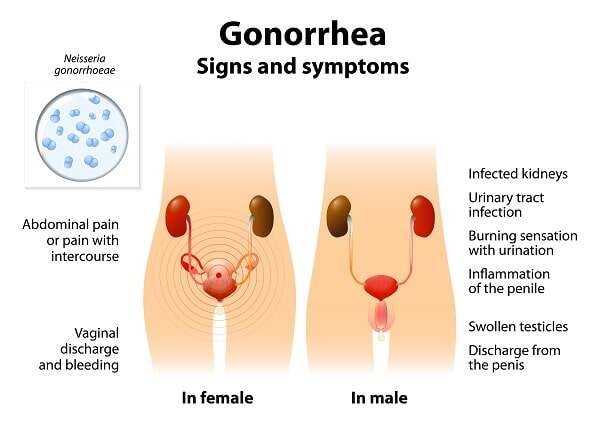
Inflammation and edema of the scrotum is not a typical symptom of gonorrhea. Scrotal involvement is more commonly associated with conditions like epididymitis.
Choice B rationale:
Painful urination with yellow urethral discharge is a classic symptom of gonorrhea. The infection affects the genitourinary tract, causing discomfort during urination and a characteristic purulent discharge.
Choice C rationale:
Maculopapular rash in the genital area is not a typical presentation of gonorrhea. This type of rash might be seen in other infections, such as syphilis.
Choice D rationale:
Red, hard lesion on the penis is not a common manifestation of gonorrhea. This description more closely matches the appearance of a primary syphilis chancre.
Whether you are a student looking to ace your exams or a practicing nurse seeking to enhance your expertise , our nursing education contents will empower you with the confidence and competence to make a difference in the lives of patients and become a respected leader in the healthcare field.
Visit Naxlex, invest in your future and unlock endless possibilities with our unparalleled nursing education contents today