
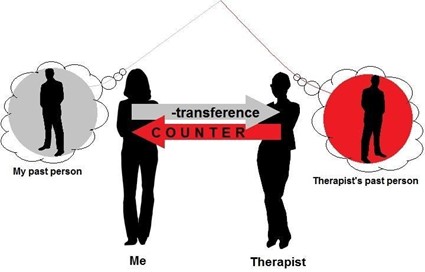
What is the most significant trigger for the development of a nurse-focused countertransference situation?
The degree of authority the nurse has
The nature of the client's diagnosis
The similar histories of the nurse and client
The similarities between the client and nurse's mother
The nurse reads a ’get-well’ card to the client.
The Correct Answer is C
Countertransference occurs when a healthcare provider unconsciously redirects their own feelings and emotions onto their client. This can be triggered by similarities between the client and someone from the provider’s past or present, or by similarities between the client’s situation and the provider’s own experiences. In this case, if the nurse and client have similar histories, it may trigger countertransference in the nurse.
Nursing Test Bank
Naxlex Comprehensive Predictor Exams
Related Questions
Correct Answer is B
Explanation
The client's statement about losing faith in God and not understanding how God could allow bad things to happen to her suggests that she is experiencing spiritual distress. This can be common among individuals experiencing depression and anxiety, as they may struggle to find meaning or purpose in their lives.
Option a, Risk for lack of faith, is not a recognized nursing diagnosis.
Option c, Risk for impaired religiosity, may be more appropriate for a client who has experienced a significant change in their religious practices or beliefs but does not necessarily indicate distress.
Option d, Risk for impaired spirituality, could be appropriate but may be too broad and not specific enough to the client's situation.
Correct Answer is C
Explanation
In cognitive behavior therapy (CBT), automatic thoughts refer to the rapid, subconscious thoughts that occur in response to a particular situation or event. These thoughts are automatic, meaning that they occur quickly and without conscious effort, and are often negative or distorted in nature. They are not necessarily based on fact or reality, and may be influenced by past experiences or beliefs. The goal of CBT is to identify and challenge these automatic thoughts, and replace them with more realistic and positive ones. Therefore, option c is the best explanation of automatic thoughts in the context of CBT. Options a and d are incorrect because automatic thoughts are not necessarily positive or indicative of psychiatric disorders. Option b is partially correct but does not fully capture the nature of automatic thoughts.
Whether you are a student looking to ace your exams or a practicing nurse seeking to enhance your expertise , our nursing education contents will empower you with the confidence and competence to make a difference in the lives of patients and become a respected leader in the healthcare field.
Visit Naxlex, invest in your future and unlock endless possibilities with our unparalleled nursing education contents today