
What should the nurse do first when a client with a head injury begins to have clear drainage from the nose?
Compress the nares.
Administer decongestant for postnasal drip.
Tilt the head back.
Collect the drainage.
The Correct Answer is D
Choice A Reason: Compressing the nares is not the first action that the nurse should take, as it may increase intracranial pressure and worsen the head injury.
Choice B Reason: Administering decongestant for postnasal drip is not the first action that the nurse should take, as it may mask the signs of cerebrospinal fluid (CSF) leakage and delay diagnosis and treatment.
Choice C Reason: Tilting the head back is not the first action that the nurse should take, as it may cause aspiration of CSF or blood and increase the risk of infection.
Choice D Reason: Collecting the drainage is the first action that the nurse should take, as it helps to identify if the drainage is CSF or nasal secretions, and to monitor the amount and characteristics of the drainage.
Nursing Test Bank
Naxlex Comprehensive Predictor Exams
Related Questions
Correct Answer is D
Explanation
Choice A Reason: Telling the client that this is to be expected after surgery is not the first action that the nurse should take, as it may indicate a complication such as increased intraocular pressure, hemorrhage, or infection.
Choice B Reason: Placing the client in a supine position is not the first action that the nurse should take, as it may worsen the pain and increase intraocular pressure.
Choice C Reason: Documenting the findings is not the first action that the nurse should take, as it may delay the intervention and outcome.
Choice D Reason: Notifying the surgeon is the first action that the nurse should take, as it indicates that the client needs immediate evaluation and treatment to prevent vision loss or permanent damage to the eye.
Correct Answer is B
Explanation
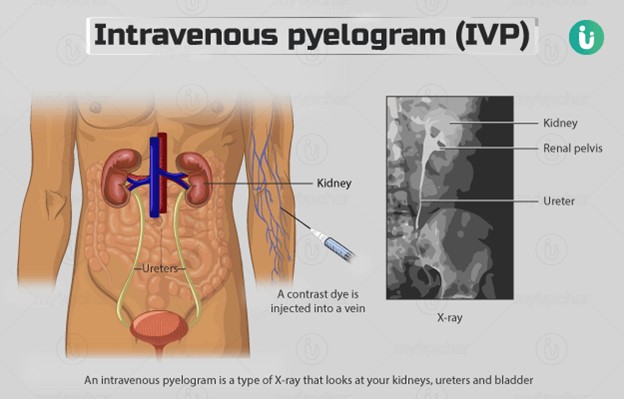
Choice A Reason: The procedure will not be cancelled if the urinalysis indicates the presence of red blood cells, but it may indicate a urinary tract infection or kidney damage that needs further evaluation.
Choice B Reason: After the procedure, you will be encouraged to drink plenty of fluids, as this helps to flush out the contrast dye that was injected into your vein and prevent dehydration and kidney damage.
Choice C Reason: High frequency sound waves will not be used to identify renal system structures, but this is the principle of ultrasound imaging, which is a different diagnostic test.
Choice D Reason: You will not need to remain flat in bed for 4 hours following this procedure, but you may need to rest for a short period of time and avoid strenuous activities for the rest of the day.
Whether you are a student looking to ace your exams or a practicing nurse seeking to enhance your expertise , our nursing education contents will empower you with the confidence and competence to make a difference in the lives of patients and become a respected leader in the healthcare field.
Visit Naxlex, invest in your future and unlock endless possibilities with our unparalleled nursing education contents today