
I can help you with formatting and editing the text. Here are the edited texts:
Text 1:
A client has an arteriovenous fistula in place for hemodialysis. What should the nurse do to assess the patency of the fistula?
Irrigate the fistula with 3 mL of normal saline solution.
Flush the fistula with 1 mL of heparin solution once per shift.
Infuse 50 mL of normal saline once per 24 hours.
Palpate for a vibrating sensation at the fistula site.
The Correct Answer is D
Choice A Reason: Irrigating the fistula with 3 mL of normal saline solution is not a correct way to assess the patency of the fistula, as it may cause bleeding, infection, or dislodgement of the fistula.
Choice B Reason: Flushing the fistula with 1 mL of heparin solution once per shift is not a correct way to assess the patency of the fistula, as it may cause clotting, infection, or allergic reaction.
Choice C Reason: Infusing 50 mL of normal saline once per 24 hours is not a correct way to assess the patency of the fistula, as it may cause fluid overload, hypertension, or edema.
Choice D Reason: Palpating for a vibrating sensation at the fistula site is a correct way to assess the patency of the fistula, as it indicates that there is adequate blood flow through the fistula. This sensation is also known as a thrill.
Nursing Test Bank
Naxlex Comprehensive Predictor Exams
Related Questions
Correct Answer is B
Explanation
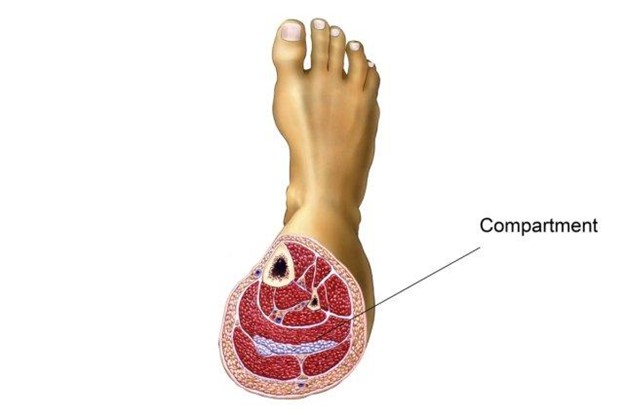
Choice A Reason: Redness and warmth of affected extremity are not signs of compartment syndrome, but they may indicate other conditions such as infection or inflammation.
Choice B Reason: Slow capillary refill is a sign of compartment syndrome, as it indicates that there is impaired blood flow to the tissues due to increased pressure within the fascial compartment.
Choice C Reason: Reduced level of consciousness is not a sign of compartment syndrome, but it may indicate other serious conditions such as head injury, stroke, or hypoxia.
Choice D Reason: Pain and bleeding are not specific signs of compartment syndrome, but they may occur due to the fracture or other causes.
Correct Answer is D
Explanation
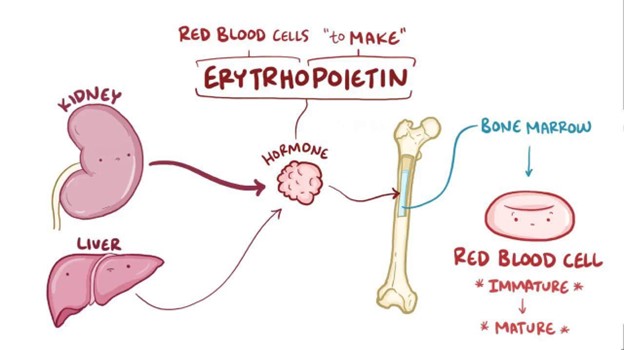
Choice A Reason: Loss of erythropoietin will not result in diminished immunologic function, but it may affect the production of some white blood cells and antibodies.
Choice B Reason: Loss of erythropoietin will not result in hypertension, but it may cause hypotension due to reduced blood volume and viscosity.
Choice C Reason: Loss of erythropoietin will not result in elevated lipid levels in the bloodstream, but it may be associated with dyslipidemia due to other factors such as malnutrition, inflammation, or medication use.
Choice D Reason: Loss of erythropoietin will result in anemia, as erythropoietin is a hormone that stimulates the bone marrow to produce red blood cells.
Whether you are a student looking to ace your exams or a practicing nurse seeking to enhance your expertise , our nursing education contents will empower you with the confidence and competence to make a difference in the lives of patients and become a respected leader in the healthcare field.
Visit Naxlex, invest in your future and unlock endless possibilities with our unparalleled nursing education contents today