
When conducting diet teaching for a client diagnosed with hypokalaemia, which foods should the nurse encourage the client to eat?
Potatoes, bananas, and oranges.
Cranberry juice, butter, and hard candy.
Milk products, canned salmon, and fresh oysters.
Hard cheese, whole grain cereals, and dried vegetables.
The Correct Answer is A
Choice A
Potatoes, bananas, and oranges should be encouraged. Hypokalaemia refers to a lower than normal level of potassium in the blood. Potassium is an essential mineral that plays a crucial role in maintaining proper muscle function, nerve signalling, and fluid balance in the body. To address hypokalaemia, it's important to consume foods that are rich in potassium.
Choice B
Cranberry juice, butter, and hard candy. None of these foods are particularly high in potassium should not be encouraged. Cranberry juice is more commonly associated with urinary tract health, and butter and hard candy do not contribute significant amounts of potassium.
Choice C
Milk products, canned salmon, and fresh oysters should not be encouraged. While milk products contain some potassium, they are not as potent a source as other options. Canned salmon and fresh oysters do provide some potassium, but they are not as well-known for their potassium content as other foods like bananas and potatoes.
Choice D
Hard cheese, whole grain cereals, and dried vegetables should not be encouraged. These foods are not known for being particularly high in potassium. Hard cheese and whole grain cereals have limited potassium content, and dried vegetables, while containing some potassium, are not among the best sources.
Nursing Test Bank
Naxlex Comprehensive Predictor Exams
Related Questions
Correct Answer is D
Explanation
Choice A
Planning low carbohydrate and high protein meals is not recommended. While meal planning is important for weight loss, focusing solely on low carbohydrate and high protein meals may not be the most balanced or sustainable approach. It's essential to consider a variety of nutrients and food groups in the diet.
Choice B
Engaging in strenuous activity for an hour daily is not recommended. Jumping into strenuous activity for an hour daily might not be realistic or safe for everyone, especially for someone who is just starting their weight loss journey. A more gradual increase in physical activity is often recommended.
Choice C
Participating in a group exercise class 3 times a week is not recommended. Group exercise classes can be beneficial, but they may not address the whole spectrum of weight loss factors. Additionally, starting with three times a week might be challenging for someone new to exercise.
Choice D
Keep a record of food and drinks consumed daily is recommended. When helping a client with a BMI of 30 (which falls within the obese range) start a weight loss plan, keeping a record of food and drinks consumed daily can be an effective initial approach. This approach is often referred to as "food journaling" or "food tracking." It involves writing down everything the client eats and drinks throughout the day. This practice can help raise awareness of eating habits, identify patterns, and uncover areas where changes can be made to reduce calorie intake.
Correct Answer is ["A","B","C","E"]
Explanation
Choice A
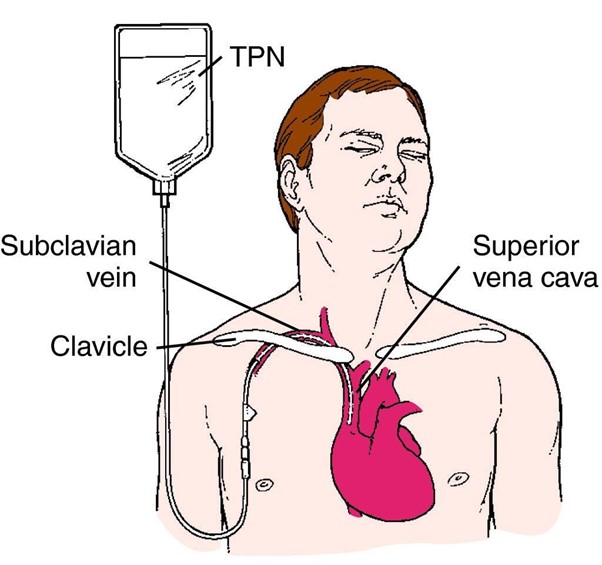
Generalized nonpitting edema is correct. Nonpitting edema could indicate fluid retention, and it's important to assess for signs of fluid overload, electrolyte imbalances, or underlying cardiac issues.
Choice B
Hypoactive bowel sounds in all 4 quadrants is correct. Hypoactive bowel sounds could suggest gastrointestinal motility issues, which could be a sign of gastrointestinal complications related to TPN.
Choice C
Redness at intravenous site is correct. Redness at the intravenous site could be indicative of infection, infiltration, or irritation. It's important to assess for signs of infection and ensure proper IV site care.
Choice D
Urinary output greater than 30 ml per hour is incorrect. While increased urinary output could indicate adequate hydration, it's not typically a concerning finding unless there are other signs of fluid imbalance. Top of Form
Choice E
Frequent productive cough is correct. A frequent productive cough could indicate respiratory issues, including aspiration pneumonia, which can be a complication of TPN.
Whether you are a student looking to ace your exams or a practicing nurse seeking to enhance your expertise , our nursing education contents will empower you with the confidence and competence to make a difference in the lives of patients and become a respected leader in the healthcare field.
Visit Naxlex, invest in your future and unlock endless possibilities with our unparalleled nursing education contents today