
When providing care for an unconscious client who has seizures, which nursing intervention is most essential?
Keep the room at a comfortable temperature.
Ensure oral suction is available.
Provide frequent mouth care
Maintain the client in a semi-Fowler's position.
The Correct Answer is B
A. Keep the room at a comfortable temperature:
While maintaining a comfortable room temperature is important for the overall well-being of the client, it is not the most essential intervention during a seizure. The priority during a seizure is to ensure the client's safety, particularly focusing on airway management.
B. Ensure oral suction is available:
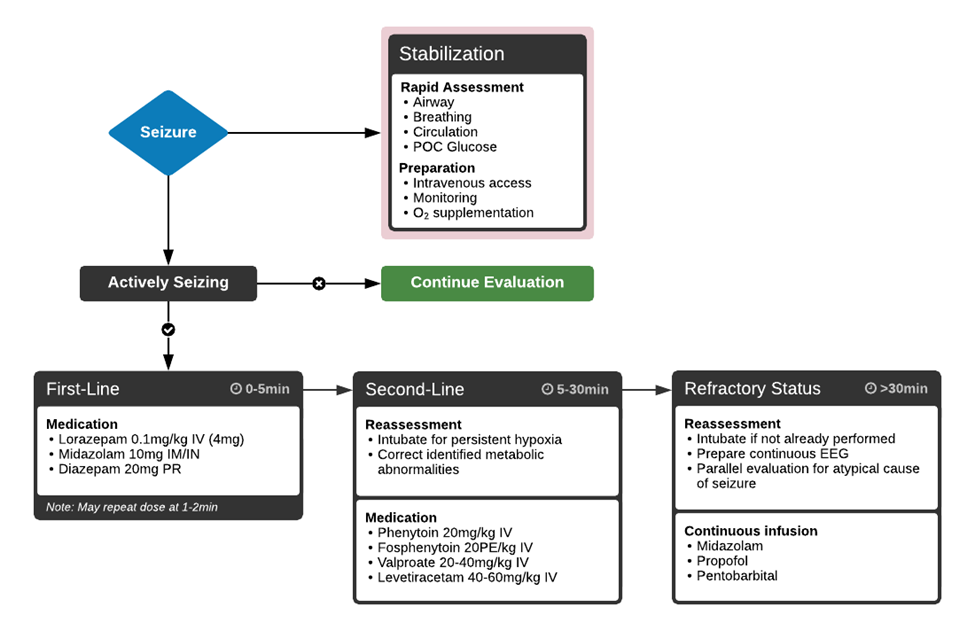
This is the most essential intervention. During a seizure, the client may produce excessive saliva, and having oral suction readily available helps prevent airway obstruction and ensures a clear airway. It is crucial for the safety and well-being of the client.
C. Provide frequent mouth care:
Mouth care is important for the overall hygiene of the unconscious client, but it may not be the most immediate priority during a seizure. The focus during a seizure is on preventing complications such as aspiration or airway obstruction.
D. Maintain the client in a semi-Fowler's position:
Positioning is important for the comfort and safety of the unconscious client, but maintaining a semi-Fowler's position may not be the primary concern during an active seizure. The immediate focus is on airway management and preventing injury.
Nursing Test Bank
Naxlex Comprehensive Predictor Exams
Related Questions
Correct Answer is B
Explanation
A. Activity level of bowel sounds:
Bowel sounds are important to assess, but they may not directly influence or be influenced by the abdominal pain associated with chronic pancreatitis.
B. Eating patterns and dietary intake.
Clients with chronic pancreatitis often experience abdominal pain exacerbated by the intake of food, especially fatty meals. Monitoring the client's eating patterns and dietary intake is crucial for identifying triggers that may worsen the abdominal pain. By understanding the relationship between food intake and pain, the nurse can provide guidance on dietary modifications to help manage the symptoms.
C. Level and amount of physical activity:
While physical activity is important for overall health, it may not be the primary factor contributing to or alleviating the abdominal pain in a client with chronic pancreatitis.
D. Color and consistency of feces:
Monitoring the color and consistency of feces is important for assessing pancreatic function, but it may not be the most immediate factor to address in the context of managing abdominal pain. Dietary patterns are more directly related to pain management in this case.
Correct Answer is D
Explanation
A. Remind the client to practice pelvic floor (Kegel) exercises regularly.
Pelvic floor exercises, such as Kegel exercises, are typically recommended for conditions involving weakened pelvic floor muscles. However, in the context of urinary retention related to sensorimotor deficits in multiple sclerosis, the issue is more neurological in nature. Therefore, pelvic floor exercises may not address the underlying problem effectively.
B. Provide a bedside commode for immediate use in the client's room.
While a bedside commode may be beneficial for individuals with mobility issues, it doesn't directly address the problem of urinary retention. It focuses on providing a convenient means for the client to void when needed, but it doesn't address the inability to empty the bladder spontaneously.
C. Explain the need to limit intake of oral fluids to reduce client discomfort.
Limiting oral fluids is not an appropriate intervention for urinary retention. In fact, it could lead to dehydration, which is not a recommended approach. The focus should be on addressing the difficulty in voiding through appropriate techniques.
D. Teach the client techniques for performing intermittent catheterization.
This is the correct choice. Intermittent catheterization is a direct and effective method to manage urinary retention in clients with sensorimotor deficits. Teaching the client how to perform intermittent catheterization empowers them to maintain regular bladder emptying and prevent complications associated with urinary retention.
Whether you are a student looking to ace your exams or a practicing nurse seeking to enhance your expertise , our nursing education contents will empower you with the confidence and competence to make a difference in the lives of patients and become a respected leader in the healthcare field.
Visit Naxlex, invest in your future and unlock endless possibilities with our unparalleled nursing education contents today