
Which action should the nurse implement to reduce the risk of vesicant extravasation in the client who is receiving intravenous chemotherapy?
Instruct the client to drink plenty of fluids during the treatment.
Keep the head of the bed elevated until the treatment is completed.
Monitor the client's intravenous site hourly during the treatment.
Administer an antiemetic before starting the chemotherapy.
The Correct Answer is C
A. Instruct the client to drink plenty of fluids during the treatment.
This option focuses on hydration, which is generally important during chemotherapy to flush out toxins and maintain overall health. However, it does not specifically address the risk of vesicant extravasation.
B. Keep the head of the bed elevated until the treatment is completed.
Keeping the head of the bed elevated is a measure that may be taken for certain conditions or treatments, but it is not directly related to preventing vesicant extravasation.
C. Monitor the client's intravenous site hourly during the treatment.
This is the correct choice. Monitoring the intravenous site for signs of extravasation, such as swelling, redness, or pain, is crucial when administering vesicant chemotherapy drugs. Early detection allows for prompt intervention to minimize potential tissue damage.
D. Administer an antiemetic before starting the chemotherapy.
Administering an antiemetic (a medication to prevent or alleviate nausea and vomiting) is important for managing side effects of chemotherapy, but it does not specifically address the prevention of vesicant extravasation.
Nursing Test Bank
Naxlex Comprehensive Predictor Exams
Related Questions
Correct Answer is C
Explanation
A. Instruct the client to drink plenty of fluids during the treatment.
This option focuses on hydration, which is generally important during chemotherapy to flush out toxins and maintain overall health. However, it does not specifically address the risk of vesicant extravasation.
B. Keep the head of the bed elevated until the treatment is completed.
Keeping the head of the bed elevated is a measure that may be taken for certain conditions or treatments, but it is not directly related to preventing vesicant extravasation.
C. Monitor the client's intravenous site hourly during the treatment.
This is the correct choice. Monitoring the intravenous site for signs of extravasation, such as swelling, redness, or pain, is crucial when administering vesicant chemotherapy drugs. Early detection allows for prompt intervention to minimize potential tissue damage.
D. Administer an antiemetic before starting the chemotherapy.
Administering an antiemetic (a medication to prevent or alleviate nausea and vomiting) is important for managing side effects of chemotherapy, but it does not specifically address the prevention of vesicant extravasation.
Correct Answer is D
Explanation
A. Carefully cleans and peels all fresh fruit and vegetables:
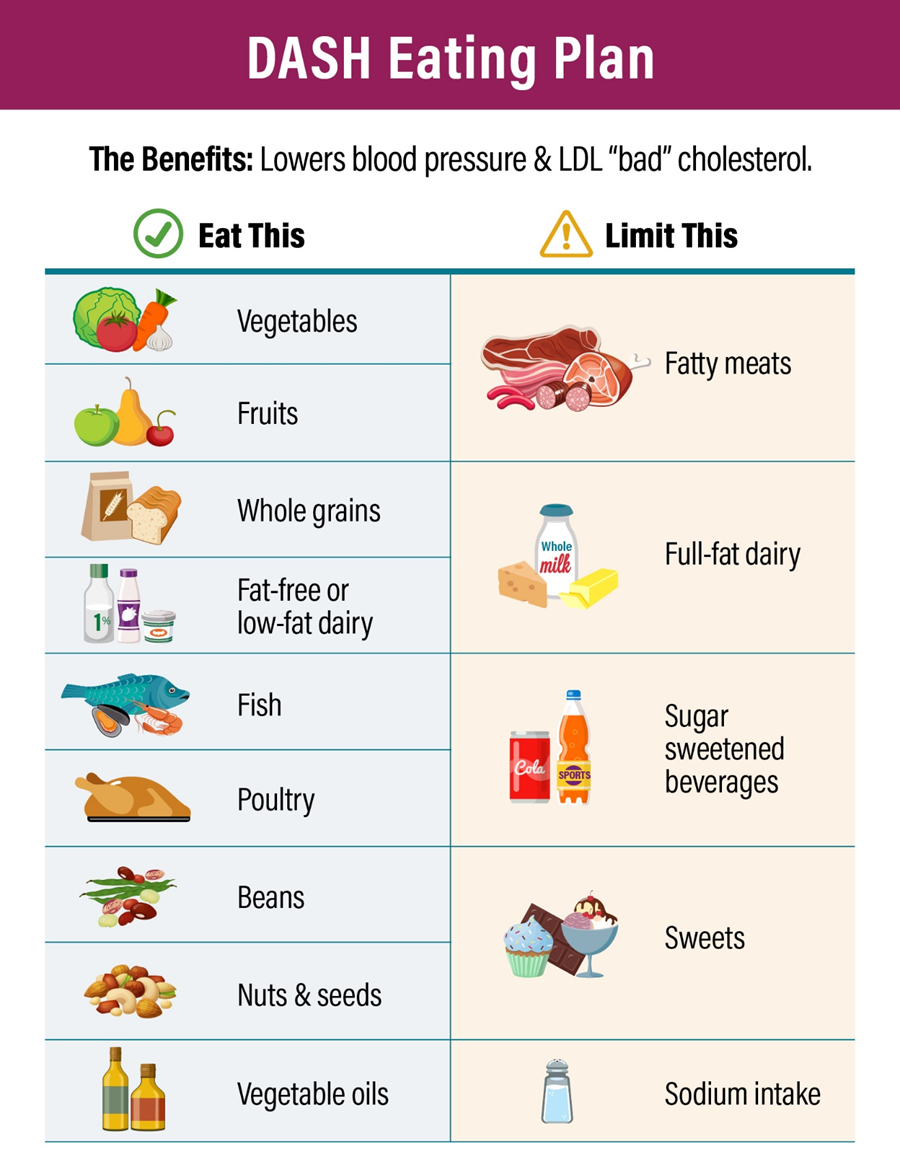
While cleaning and peeling fresh fruits and vegetables may contribute to food safety, it is not a specific indication of adherence to the DASH eating plan.
B. Uses only lactose-free dairy products:
The DASH eating plan encourages the consumption of low-fat or fat-free dairy products. Using lactose-free dairy products may be necessary for individuals with lactose intolerance, but it is not a specific behavior related to the DASH plan.
C. No longer includes grains in the daily diet:
The DASH eating plan includes whole grains as part of a balanced diet. Eliminating grains altogether is not consistent with the DASH plan, which encourages the consumption of whole grains.
D. Enjoys fat-free yogurt as an occasional snack food:
This is the correct answer. The DASH eating plan recommends the inclusion of low-fat or fat-free dairy products as part of a heart-healthy diet. Choosing fat-free yogurt as an occasional snack aligns with the principles of the DASH plan, which emphasizes low-fat dairy options.
Whether you are a student looking to ace your exams or a practicing nurse seeking to enhance your expertise , our nursing education contents will empower you with the confidence and competence to make a difference in the lives of patients and become a respected leader in the healthcare field.
Visit Naxlex, invest in your future and unlock endless possibilities with our unparalleled nursing education contents today