
Which cellular organelle is primarily responsible for ATP production?
Ribosomes
Golgi apparatus
Nucleus
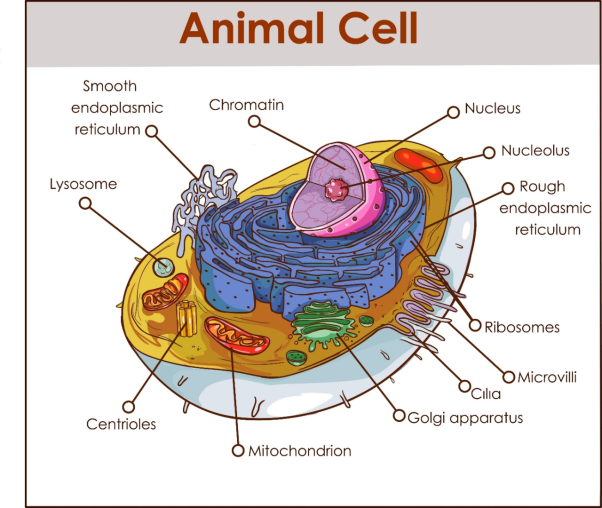
Mitochondria
The Correct Answer is D
A. Ribosomes: Ribosomes are the sites of protein synthesis. They read RNA sequences to assemble amino acids into proteins, but they do not produce energy.
B. Golgi apparatus: The Golgi apparatus functions as the cell's "post office." It modifies, sorts, and packages proteins and lipids for secretion or delivery to other organelles.
C. Nucleus: The nucleus is the control center of the cell, housing the genetic material (DNA). While it directs cellular activities, it does not directly generate ATP.
D. Mitochondria: Often called the "powerhouse" of the cell, mitochondria are the site of cellular respiration. They break down nutrients (glucose and fatty acids) in the presence of oxygen to produce Adenosine Triphosphate (ATP), the primary energy currency of the cell.
Nursing Test Bank
Naxlex Comprehensive Predictor Exams
Related Questions
Correct Answer is A
Explanation
A. Providing energy:Carbohydrates are broken down into glucose, which is the body’s preferred and most efficient fuel source for cellular respiration (ATP production), especially for the brain and muscles during exercise.
B. Building tissues:While some carbohydrates are found in cell markers, the primary "building blocks" of body tissues (muscles, skin, organs) are proteins.
C. Regulating hormones:While some hormones are glycoproteins, the major class of molecules used to synthesize steroid hormones are lipids (specifically cholesterol), and many others are protein-based.
D. Insulating organs:Thermal insulation and physical cushioning of organs is the primary function of lipids (adipose tissue/fat).
Correct Answer is B
Explanation
A. Kyphosis; excessive outward curvature:Kyphosis describes an excessive outward curvature (increased thoracic convexity, producing a “hunchback” appearance). This is a curvature abnormality, but it refers specifically to exaggerated thoracic outward curvature. (True statement, but the option names a specific type - see B for lateral curvature.)
B. Scoliosis; lateral curvature:Scoliosis is an abnormal lateral (side-to-side) curvature of the spine and is the correct classification when a practitioner notes a lateral curvature.
C. Lordosis; inward curvature:Lordosis is an excessive inward curvature of the lumbar spine (swayback). It is a curvature abnormality but indicates inward (anterior) curve, not lateral.
D. Osteopenia; reduced bone mass:Osteopenia describes reduced bone mineral density (less severe than osteoporosis) and affects bone strength, not the curvature shape of the spine.
Whether you are a student looking to ace your exams or a practicing nurse seeking to enhance your expertise , our nursing education contents will empower you with the confidence and competence to make a difference in the lives of patients and become a respected leader in the healthcare field.
Visit Naxlex, invest in your future and unlock endless possibilities with our unparalleled nursing education contents today