
Which measure should a nurse include in the care plan for a client who has mitt restraints to prevent pulling out tubes?
Removing the mitts when the client is asleep.
Performing range of motion exercises every two hours.
Tying the restraints securely around the wrists and to the bed.
Placing the restraints loosely to allow increased freedom of movement.
The Correct Answer is B
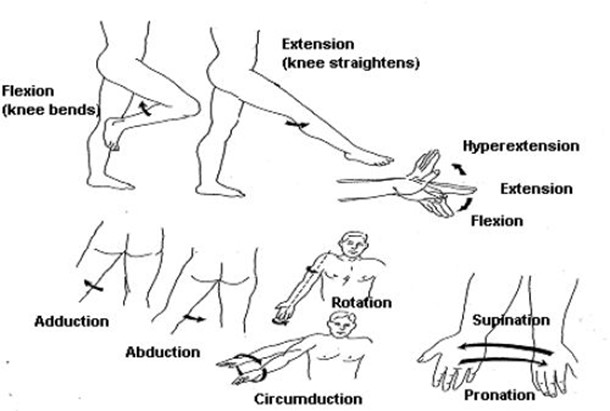
This is because mitt restraints can reduce the patient’s mobility and circulation in the hands, and range of motion exercises can help prevent contractures, stiffness, and edema.
Choice A is wrong because removing the mitts when the client is asleep can increase the risk of self-injury or removal of therapeutic equipment.
Choice C is wrong because tying the restraints securely around the wrists and to the bed can impair the patient’s circulation and cause nerve damage.
Choice D is wrong because placing the restraints loosely to allow increased freedom of movement can cause entanglement or strangulation.
Nursing Test Bank
Naxlex Comprehensive Predictor Exams
Related Questions
Correct Answer is B
Explanation
The client on Digitalis has a low potassium level of 3.0 mEq/L, below the normal range of 3.5-5.0 mEq/L. Low potassium levels can increase the risk of digitalis toxicity, which can cause nausea, abdominal discomfort, visual changes, and cardiac arrhythmias.
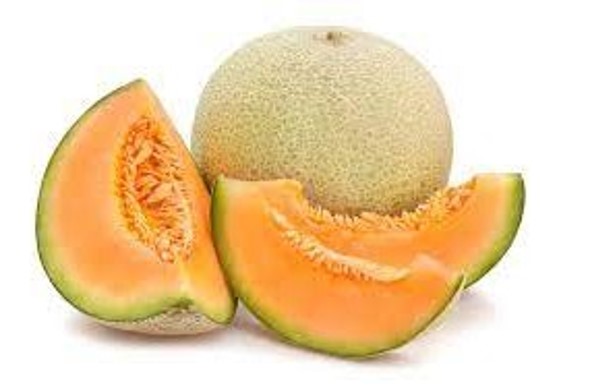
The nurse would instruct the client to eat foods high in potassium, such as cantaloupe, to prevent or correct hypokalemia.
Choice A. Asparagus is wrong because asparagus is a low-potassium food that contains only 202 mg of potassium per cup.
Eating asparagus would not help to raise the client’s potassium level.
Choice C. Blackberries are wrong because blackberries are also a low-potassium food that contains only 233 mg of potassium per cup.
Eating blackberries would not help to raise the client’s potassium level.
Choice D. Cucumbers is wrong because cucumbers are a very low-potassium food that contains only 76 mg of potassium per cup.
Eating cucumbers would not help to raise the client’s potassium level and may even lower it further.
Correct Answer is A
Explanation
“Have you had thoughts about killing yourself?” This is the best response because it directly assesses the client’s suicidal risk and shows empathy and concern.
The other choices are wrong because:
Choice B. “What can’t you go on anymore?” This is a vague and open-ended question that does not address the client’s immediate safety or emotional state.
Choice C. “Don’t think like that.
It’s not true!” This is a dismissive and invalidating response that does not acknowledge the client’s feelings or offer support.
Choice D. “Have you talked to your doctor about these feelings?” This is a deferring and avoiding response that does not explore the client’s situation or provide any intervention.
Whether you are a student looking to ace your exams or a practicing nurse seeking to enhance your expertise , our nursing education contents will empower you with the confidence and competence to make a difference in the lives of patients and become a respected leader in the healthcare field.
Visit Naxlex, invest in your future and unlock endless possibilities with our unparalleled nursing education contents today