
You are caring for a patient and suspect that he is at risk for acute kidney injury. Given your knowledge about the renal system, what would be the acceptable urine output (in mL per hour) for this patient if he weighed 363 pounds? (Round to the nearest whole number.
The Correct Answer is ["82.5"]
The general rule of thumb for urine output is 0.5 mL/kg/hour.
Step 1: Convert the patient's weight from pounds to kilograms.
We know that 1 kg = 2.2 lbs.
So, we have:
363 lbs ÷ 2.2 = 165 kg (rounded to the nearest whole number)
Step 2: Calculate the urine output using the rule of 0.5 mL/kg/hour. So, we have:
165 kg × 0.5 mL/kg/hour = 82.5 mL/hour
Nursing Test Bank
Naxlex Comprehensive Predictor Exams
Related Questions
Correct Answer is B
Explanation
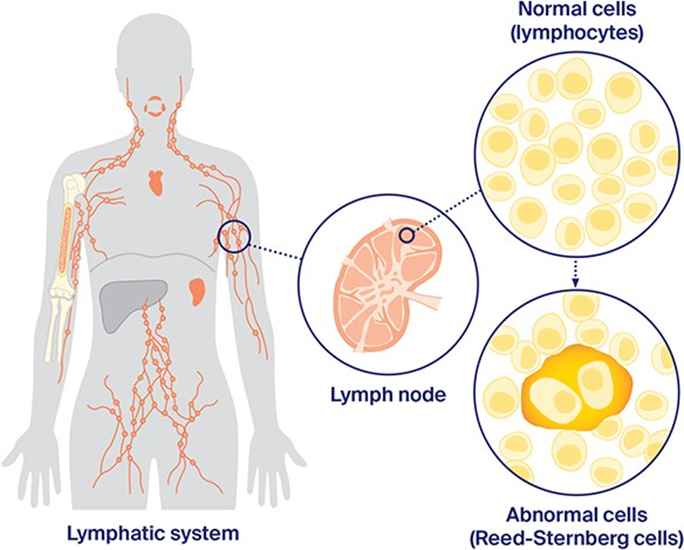
Choice A reason : Maintenance chemotherapy is not typically used to maintain remission in Hodgkin's lymphoma after successful treatment.
Choice B reason : Follow-up appointments are crucial for monitoring any signs of recurrence or secondary malignancies, as well as managing long-term effects of treatment.
Choice C reason : The potential impact of chemotherapy on fertility is an important topic, especially for younger patients, but may not be as relevant for a 55-year-old woman.
Choice D reason : Addressing symptoms like pruritus, which can persist after treatment, is important for patient comfort and quality of life.
Correct Answer is D
Explanation
Choice A reason: While blood pressure is important, hyperkalemia can cause cardiac dysrhythmias, making the pulse rate the first assessment to ensure the patient's immediate safety.
Choice B reason: Temperature is not directly affected by serum potassium levels and is not the priority in hyperkalemia.
Choice C reason: Respirations are less likely to be affected immediately by hyperkalemia compared to cardiac function.
Choice D reason: A high serum potassium level can lead to life-threatening cardiac arrhythmias, so assessing the pulse rate is the most critical initial action.
Whether you are a student looking to ace your exams or a practicing nurse seeking to enhance your expertise , our nursing education contents will empower you with the confidence and competence to make a difference in the lives of patients and become a respected leader in the healthcare field.
Visit Naxlex, invest in your future and unlock endless possibilities with our unparalleled nursing education contents today