
Introduction (Common Pediatric Conditions)
- Dehydration is a common condition in pediatric patients, characterized by an inadequate fluid balance. It occurs when the body loses more fluid than it takes in, leading to an imbalance that disrupts normal bodily functions. Dehydration in children can be a serious medical concern and requires prompt intervention to prevent complications.
I. Etiology of Dehydration in Children: Dehydration in children can be caused by various factors, including:
- Gastrointestinal illnesses, such as diarrhea and vomiting.
- Insufficient fluid intake due to poor feeding or decreased thirst perception.
- Excessive sweating during physical activity or in hot weather.
- Fever, which increases the body's fluid requirements.
- Certain medical conditions, such as diabetes or kidney disease.
II. Pathophysiology of Dehydration in Children: Dehydration in children occurs when there is a disruption in the balance between fluid intake and loss. This can lead to imbalances in electrolytes, such as sodium and potassium, which are essential for normal body functioning. The severity of dehydration depends on the extent of fluid loss and the child's age and overall health status.
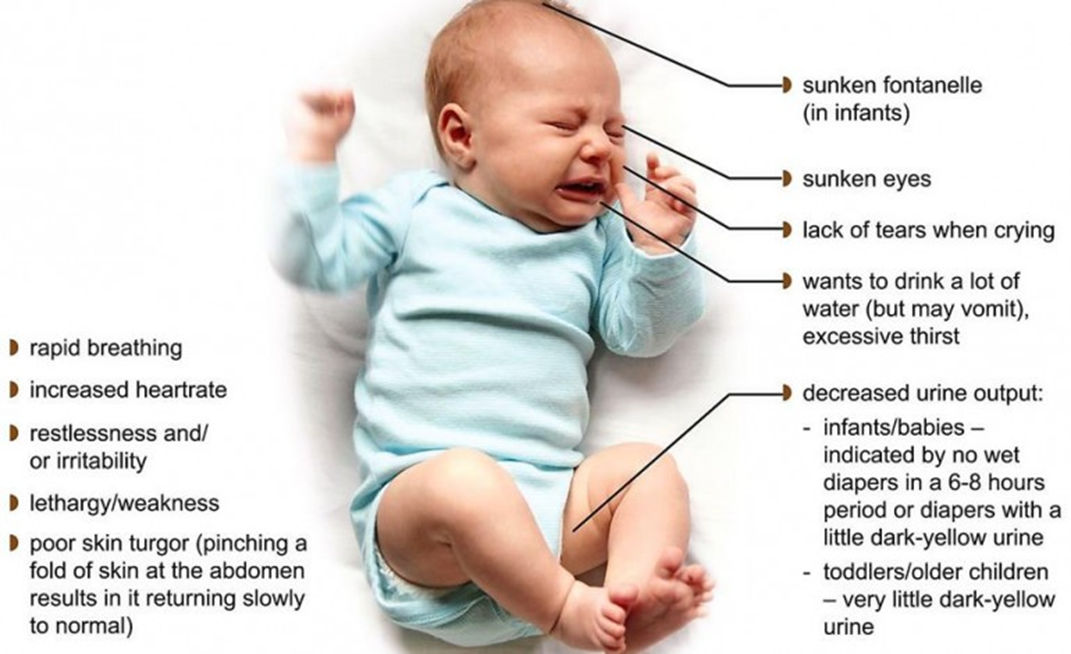
III. Clinical Manifestations of Dehydration in Children: The clinical manifestations of dehydration in children can vary depending on the degree of fluid loss. Common signs and symptoms include:
- Thirst and dry mouth.
- Decreased urine output and dark-colored urine.
- Dry skin and mucous membranes.
- Sunken eyes and fontanelle in infants.
- Lethargy and irritability.
- Poor skin turgor.
- Rapid heart rate and low blood pressure in severe cases.
IV. Diagnostic Evaluation of Dehydration in Children: To diagnose dehydration in children, healthcare providers may assess the following parameters:
- Vital signs, including heart rate, blood pressure, and temperature.
- Physical examination findings, such as skin turgor and mucous membrane moisture.
- Laboratory tests, including complete blood count (CBC), electrolyte levels, and urine specific gravity.
- Assessing the child's history, including recent fluid intake, urine output, and presence of symptoms.
Nursing Test Bank
Naxlex Comprehensive Predictor Exams
Questions on Introduction