
Risk Factors and Consequences of Child Abuse and Neglect
- Child abuse and neglect can occur in any family, regardless of socioeconomic status, race, ethnicity, religion, or culture
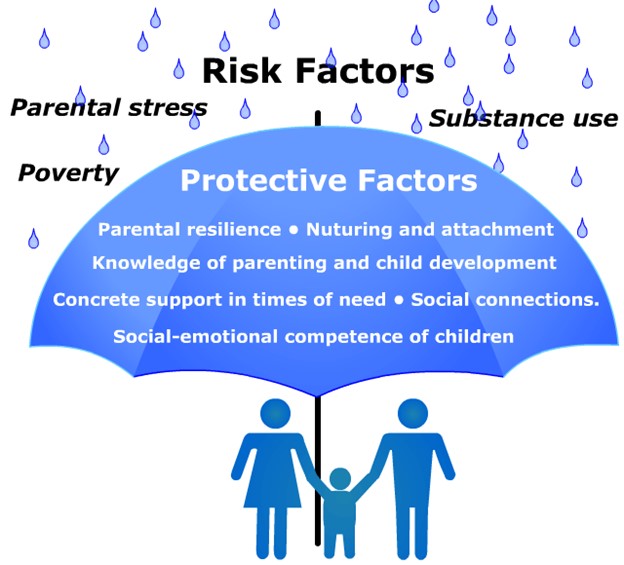
- However, some factors may increase the likelihood or severity of maltreatment, such as:
- Child factors: age, gender, disability, temperament, behavior, or special needs
- Parent or caregiver factors: history of abuse or neglect, mental illness, substance abuse, domestic violence, stress, poor parenting skills, unrealistic expectations, or social isolation
- Family factors: marital conflict, divorce, separation, death, poverty, unemployment, homelessness, or lack of social support
- Community factors: neighborhood violence, crime, discrimination, lack of resources, or cultural norms that condone violence or neglect
- The consequences of child abuse and neglect can vary depending on the type, frequency, duration, and severity of maltreatment, as well as the child’s age, developmental stage, resilience, and coping skills3
- Some of the possible short-term and long-term consequences include39:
- Physical consequences: injuries, bruises, burns, fractures, head trauma, organ damage, impaired growth and development, chronic pain, disability, or death
- Psychological consequences: emotional distress, fear, anger, guilt, shame, sadness, depression, anxiety, post-traumatic stress disorder, dissociation, low self-esteem, poor self-image, attachment problems, trust issues, or suicidal thoughts or behaviors
- Behavioral consequences: aggression, violence, delinquency, criminality, substance abuse, self-harm, eating disorders, sexual problems, risky sexual behaviors, teen pregnancy, or prostitution
- Social consequences: impaired social skills, poor peer relationships, isolation, withdrawal, difficulty in school or work, homelessness, or intergenerational transmission of abuse or neglect
- Child abuse and neglect can also have significant economic costs for society due to the increased need for health care, social services, education, criminal justice system involvement, and productivity losses
Nursing Test Bank
Test Bank #1: RN Pharmacology Exams
Test Bank #2: RN Medical-Surgical Exams
Test Bank #3: RN Fundamentals Exams
Test Bank #4: RN Maternal-Newborn Exams
Test Bank #5: RN Anatomy and Physiology Exams
Test Bank #6: RN Obstetrics and Pediatrics Exams
Test Bank #7: RN Fluid and Electrolytes Exams
Test Bank #9: RN Adult Health
Test Bank #10: RN Dosage Calculation
Test Bank #11: RN Community Health Exams
Test Bank #12: RN Psychology Exams
Test Bank #13: RN Nursing Care Of Children
Test Bank #14: RN Foundations of Nursing Exams
Naxlex Comprehensive Predictor Exams
Exam #1: RN Comprehensive predictor 2023 proctored exam
Exam #2: Ati rn vati comprehensive predictor proctored exam
Exam #3: Ati Rn Comprehensive Predictor Proctored Exam 2023
Exam #4: Rn Comprehensive Predictor 2023 Proctored Exam - St. Joseph
Exam #5: RN Comprehensive Predictor Proctored Exam (National U CA San Diego)
Exam #6: Ati rn comprehensive predictor 2023 retake proctored exam
Exam #7: RN Hesi Exit Proctored Exam
Exam #8: Hesi RN Exit proctored exam
Exam #9: Hesi rn exit proctored exam
Exam #10: Hesi Rn compass exit B proctored exam
Questions on Risk Factors and Consequences of Child Abuse and Neglect
Correct Answer is B
Explanation
<p>Reason: The nurse should not say something that threatens or intimidates the parents for neglecting their children. This may make the parents feel fearful, hostile, or distrustful and hinder the cooperation or collaboration with the nurse.</p>
Correct Answer is A
Explanation
<p>Reason: Neglect is the failure to provide for a child's basic physical, emotional, educational, or medical needs. Neglect may cause poor hygiene, malnutrition, failure to thrive, or developmental delays.</p>