
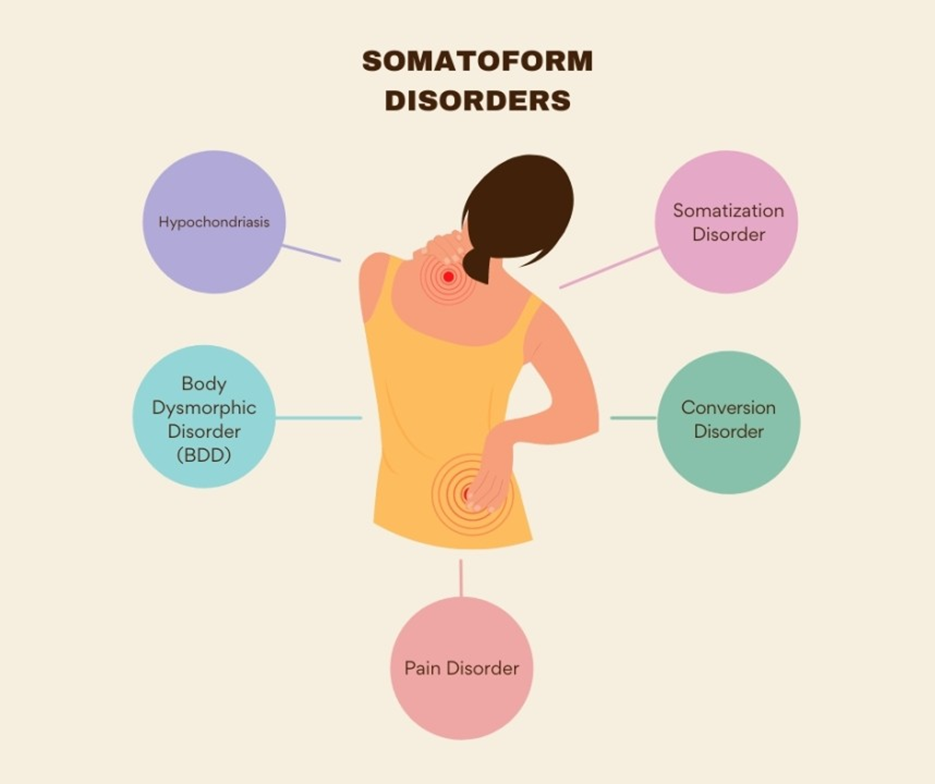
A client is admitted to the inpatient psychiatric unit with a diagnosis of a somatoform disorder. Which statement does the nurse recognize as true about all somatoform disorders?
The client diagnosed with a somatoform disorder should have any new medical complaint evaluated.
The client diagnosed with a somatoform disorder can be easily cured with medication.
The client diagnosed with a somatoform disorder has a real medical diagnosis for their symptoms.
The client diagnosed with a somatoform disorder intentionally pretends to have physical symptoms.
The Correct Answer is A
Choice A Reason:
The client diagnosed with a somatoform disorder should have any new medical complaint evaluated.
This is the correct response. Clients with somatoform disorders often experience physical symptoms that cannot be fully explained by any underlying medical condition. However, it is crucial to evaluate any new medical complaints to rule out any actual medical conditions that may require treatment. This approach ensures that the client receives comprehensive care and that any potential medical issues are not overlooked.
Choice B Reason:
The client diagnosed with a somatoform disorder can be easily cured with medication.
This statement is incorrect. Somatoform disorders are complex and often require a multifaceted treatment approach, including psychotherapy, behavioral interventions, and sometimes medication to manage associated symptoms like anxiety or depression. There is no simple cure for somatoform disorders, and treatment typically focuses on managing symptoms and improving the client’s quality of life.
Choice C Reason:
The client diagnosed with a somatoform disorder has a real medical diagnosis for their symptoms.
While clients with somatoform disorders experience real and distressing symptoms, these symptoms are not typically linked to a diagnosable medical condition. The symptoms are believed to be related to psychological factors, and the focus of treatment is often on addressing these underlying psychological issues rather than finding a medical diagnosis.
Choice D Reason:
The client diagnosed with a somatoform disorder intentionally pretends to have physical symptoms.
This statement is incorrect. Clients with somatoform disorders do not intentionally fake their symptoms. Their symptoms are real to them and cause significant distress and impairment. The symptoms are not under the client’s conscious control, and they genuinely believe they are experiencing a medical condition.
Nursing Test Bank
Naxlex Comprehensive Predictor Exams
Related Questions
Correct Answer is C
Explanation
Choice A Reason:
Acupuncture.
Acupuncture is a traditional Chinese medicine practice that involves inserting thin needles into specific points on the body to balance energy flow and promote healing. While it is a form of manual therapy, it is not part of chiropractic medicine. Chiropractors focus on the musculoskeletal system, particularly the spine, and do not typically use acupuncture as a primary treatment modality.
Choice B Reason:
Surgical procedures.
Surgical procedures are not part of chiropractic medicine. Chiropractors are not licensed to perform surgeries. Their practice is centered around non-invasive treatments, primarily involving manual adjustments and manipulations of the spine and other joints. Surgery is outside the scope of chiropractic care and is typically handled by medical doctors or surgeons.
Choice C Reason:
Spinal manipulation.
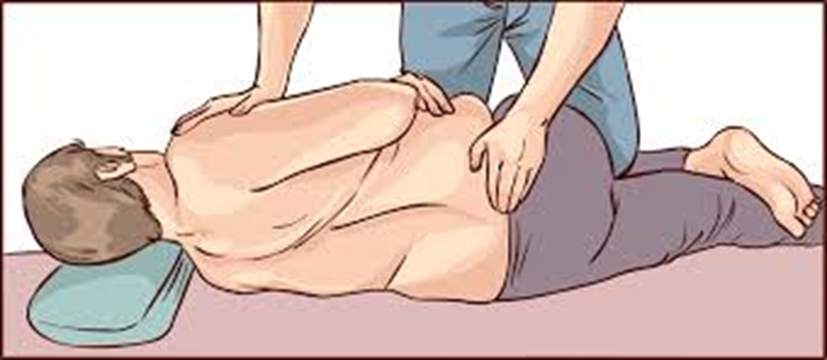
This is the correct response. Spinal manipulation, also known as chiropractic adjustment, is a core component of chiropractic medicine. Chiropractors use their hands or specialized instruments to apply controlled force to spinal joints, aiming to improve spinal alignment, reduce pain, and enhance physical function. This technique is fundamental to chiropractic care and distinguishes it from other forms of manual therapy.
Choice D Reason:
Prescription medications.
Prescription medications are not part of chiropractic medicine. Chiropractors do not prescribe medications; instead, they focus on manual therapies, exercise, and lifestyle counseling to manage and prevent musculoskeletal issues. The use of medications is typically managed by medical doctors or other healthcare providers.
Correct Answer is A
Explanation
Choice A Reason:
This will help with medication compliance.
This is the correct response. Long-acting injectable (LAI) antipsychotics like risperidone IM are often used to improve medication compliance in patients who have difficulty remembering to take their oral medications regularly. By administering the medication every two weeks, the treatment team can ensure that the client receives a consistent dose, reducing the risk of relapse due to missed doses. This approach is particularly beneficial for clients with schizophrenia, as consistent medication adherence is crucial for managing symptoms and preventing hospitalizations.
Choice B Reason:
It will help him remember to take his medication.
While this statement is related to medication compliance, it is not entirely accurate. The purpose of switching to an injectable form is to eliminate the need for the client to remember to take daily doses. Instead, the healthcare provider administers the medication at regular intervals, ensuring adherence without relying on the client’s memory.
Choice C Reason:
This has a faster onset of action.
This statement is incorrect. The onset of action for long-acting injectable risperidone is not necessarily faster than the oral form. In fact, LAIs are designed to release the medication slowly over time to maintain stable blood levels. The primary advantage of LAIs is improved adherence, not a faster onset of action.
Choice D Reason:
This new medication is stronger and will clear his symptoms faster.
This statement is also incorrect. The strength of the medication and the speed at which it clears symptoms are not the primary reasons for switching to an injectable form. The goal is to ensure consistent medication levels and improve adherence, not to increase the potency or speed of symptom relief.
Whether you are a student looking to ace your exams or a practicing nurse seeking to enhance your expertise , our nursing education contents will empower you with the confidence and competence to make a difference in the lives of patients and become a respected leader in the healthcare field.
Visit Naxlex, invest in your future and unlock endless possibilities with our unparalleled nursing education contents today