
A client is prescribed a thiazide diuretic for the management of hypertension.
The nurse plans to assess the client for allergy to?
Iodine.
Latex.
Shellfish.
Sulphur.
The Correct Answer is D
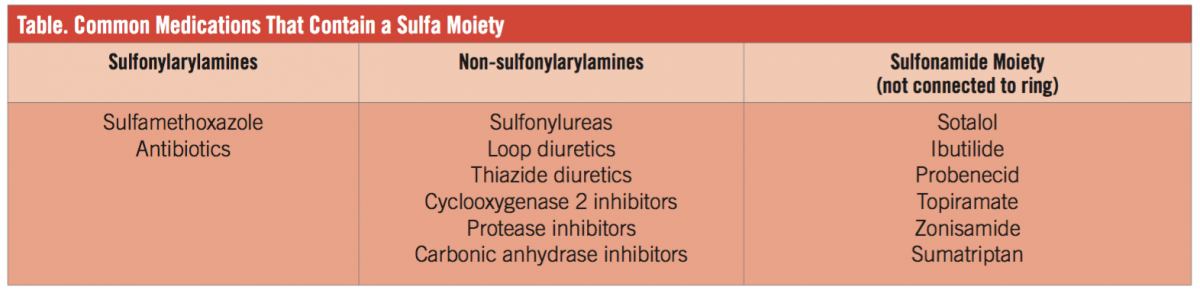
Thiazide diuretics are sulfa-containing drugs and can cause allergic reactions in patients who are sensitive to sulfa compounds. These reactions can include headaches, rash, hives, swelling of the mouth and lips, wheezing or trouble breathing, asthma attack, and anaphylaxis.
Choice A is wrong because iodine is not a component of thiazide diuretics and is not related to sulfa allergy.
Choice B is wrong because latex is not a component of thiazide diuretics and is not related to sulfa allergy.
Choice C is wrong because shellfish is not a component of thiazide diuretics and is not related to sulfa allergy.
Shellfish allergy is usually caused by a protein called tropomyosin, not by iodine or sulfa compounds.
Thiazide diuretics are drugs that inhibit the reabsorption of sodium and water in the distal convoluted tubule of the kidney, leading to increased urine output. They are used to treat hypertension, edema, heart failure, and some kidney diseases. Some examples of thiazide diuretics are hydrochlorothiazide, chlorthalidone, and indapamide.
Nursing Test Bank
Naxlex Comprehensive Predictor Exams
Related Questions
Correct Answer is D
Explanation
Choice A is wrong because calcium channel blockers (CCBs) are a class of drugs that prevent calcium from entering the cells of the heart and blood vessels, causing them to relax and lower blood pressure.
Examples of CCBs include amlodipine, diltiazem, verapamil, and nifedipine.CCBs are used to treat hypertension, angina, and arrhythmias.
Choice B is wrong because beta blockers are a class of drugs that reduce the heart rate and force of contraction, lowering the cardiac output and blood pressure.
Examples of beta blockers include atenolol, metoprolol, propranolol, and bisoprolol.Beta blockers are used to treat hypertension, angina, heart failure, and arrhythmias.
Choice C is wrong because platelet inhibitors are a class of drugs that prevent platelets from clumping together and forming blood clots.
Examples of platelet inhibitors include aspirin, clopidogrel, ticagrelor, and prasugrel.Platelet inhibitors are used to prevent or treat cardiovascular events such as heart attack or stroke.
Choice E is wrong because ACE inhibitors are a class of drugs that inhibit the enzyme that converts angiotensin I to angiotensin II, reducing the production of this vasoconstrictor hormone.
Correct Answer is C
Explanation
Listeriosis is a foodborne illness that can have severe consequences during pregnancy. To minimize the risk of listeriosis, a pregnant client should avoid certain foods that are more likely to be contaminated with the bacteria Listeria. The correct statement that indicates an understanding of the teaching is:
C) "I can eat grilled chicken on a bun at lunchtime."
Grilled chicken is a safe option, and as long as it's properly cooked, it's a suitable choice during pregnancy. The other options are not recommended during pregnancy:
A) Soft cheeses, like Brie or feta, can carry a risk of Listeria contamination, so they should be avoided.
B) Seafood salad from the grocery store may not be safe as it could contain seafood that's been sitting at improper temperatures, which can increase the risk of foodborne illness.
D) Hot dogs can also be a risk as they are often not served steaming hot, which is necessary to kill any potential Listeria contamination.
Whether you are a student looking to ace your exams or a practicing nurse seeking to enhance your expertise , our nursing education contents will empower you with the confidence and competence to make a difference in the lives of patients and become a respected leader in the healthcare field.
Visit Naxlex, invest in your future and unlock endless possibilities with our unparalleled nursing education contents today