
A client with type 2 diabetes mellitus arrives to the clinic reporting episodes of weakness and palpitations. Which finding should the nurse recognize as a possible complication?
Hyperactive bowel sounds.
Anxiety and sighing.
Dark yellow urine.
Myalgia in wrists and hands.
The Correct Answer is C
A. Hyperactive bowel sounds.
Hyperactive bowel sounds are more suggestive of gastrointestinal issues, such as intestinal hypermotility or increased peristalsis. While diabetes can affect the gastrointestinal system, hyperactive bowel sounds are not a specific indicator of the symptoms described by the client.
B. Anxiety and sighing.
Anxiety and sighing are more indicative of emotional or psychological factors rather than dehydration. While stress can impact blood sugar levels in individuals with diabetes, anxiety and sighing are not direct signs of the dehydration that may be associated with the reported symptoms.
C. Dark yellow urine.
Dark yellow urine can be a sign of concentrated urine, suggesting dehydration. In diabetes, especially when blood sugar levels are elevated, increased urine production (polyuria) can lead to dehydration. Dark yellow urine may indicate that the urine is more concentrated due to a lack of fluid intake.
D. Myalgia in wrists and hands.
Myalgia in the wrists and hands is not a typical symptom of dehydration related to diabetes. It could be associated with various conditions, such as musculoskeletal issues or nerve-related problems. This symptom is less likely to be directly linked to the reported weakness and palpitations.
Nursing Test Bank
Naxlex Comprehensive Predictor Exams
Related Questions
Correct Answer is D
Explanation
A. Carefully cleans and peels all fresh fruit and vegetables:
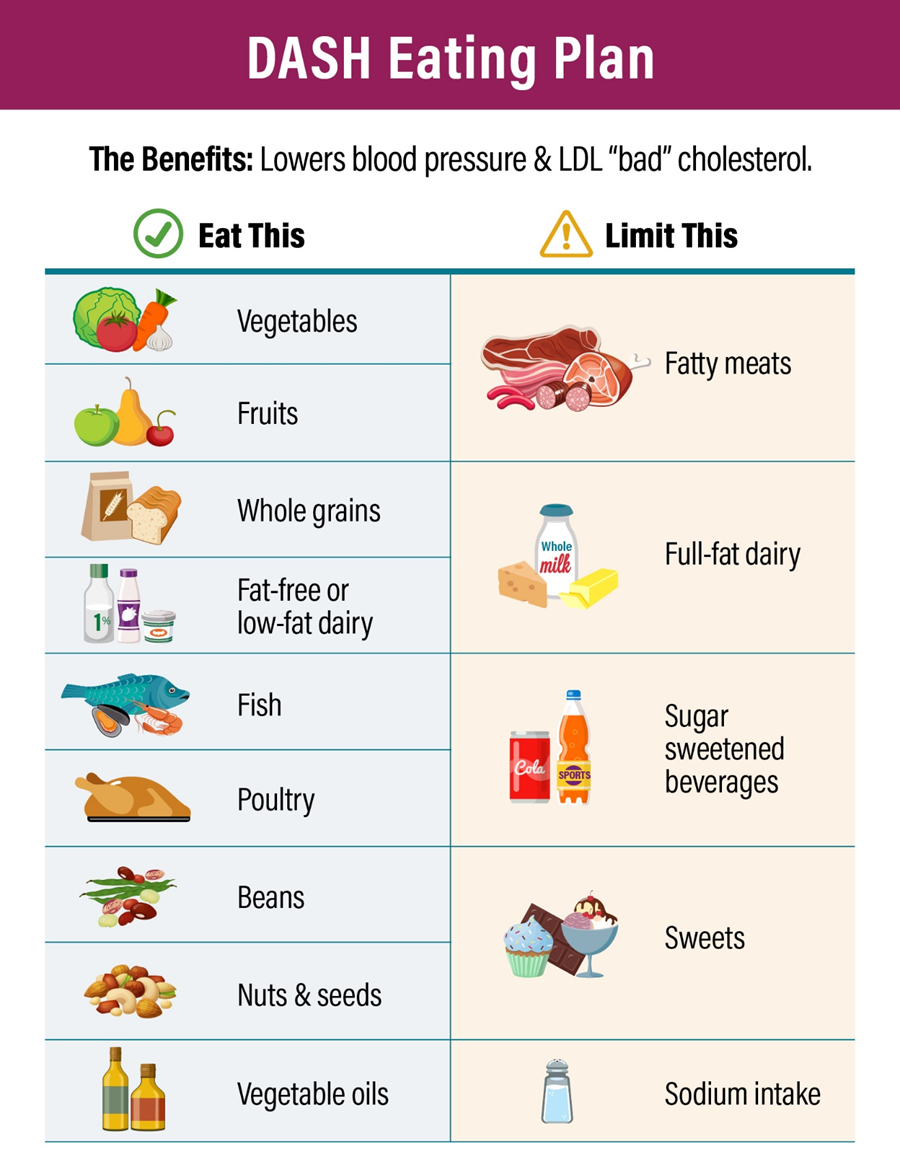
While cleaning and peeling fresh fruits and vegetables may contribute to food safety, it is not a specific indication of adherence to the DASH eating plan.
B. Uses only lactose-free dairy products:
The DASH eating plan encourages the consumption of low-fat or fat-free dairy products. Using lactose-free dairy products may be necessary for individuals with lactose intolerance, but it is not a specific behavior related to the DASH plan.
C. No longer includes grains in the daily diet:
The DASH eating plan includes whole grains as part of a balanced diet. Eliminating grains altogether is not consistent with the DASH plan, which encourages the consumption of whole grains.
D. Enjoys fat-free yogurt as an occasional snack food:
This is the correct answer. The DASH eating plan recommends the inclusion of low-fat or fat-free dairy products as part of a heart-healthy diet. Choosing fat-free yogurt as an occasional snack aligns with the principles of the DASH plan, which emphasizes low-fat dairy options.
Correct Answer is ["A","C","D","E"]
Explanation
A. Measure pulse and blood pressure:
This action is crucial to assess the client's cardiovascular status. Weakness and jitteriness can be related to changes in blood pressure or cardiac function. Measuring pulse and blood pressure helps determine the client's hemodynamic stability.
B. Document anxiety on the surgical checklist:
While anxiety is a valid consideration, addressing the physiological aspects of the client's symptoms takes precedence.
C. Assess skin temperature and moisture:
Assessing skin temperature and moisture provides information about the client's perfusion and hydration status. Changes in skin characteristics can be indicative of underlying issues, and in a diabetic patient, it's important to monitor for potential complications affecting skin integrity.
D. Check fingerstick glucose level:
Given the client's recent diagnosis of type 2 diabetes mellitus and the reported symptoms of weakness and jitteriness, checking the fingerstick glucose level is crucial. Fluctuations in blood glucose levels, whether hyperglycemia or hypoglycemia, can contribute to these symptoms. This test provides immediate information about the client's glycemic status.
E. Administer a PRN dose of regular insulin:
If the fingerstick glucose level indicates hyperglycemia and the healthcare provider has prescribed a PRN (as needed) dose of regular insulin for high blood sugar, administering insulin may be necessary to address hyperglycemia promptly. This is in line with diabetes management protocols, and the nurse should follow specific orders and guidelines for insulin administration.
Whether you are a student looking to ace your exams or a practicing nurse seeking to enhance your expertise , our nursing education contents will empower you with the confidence and competence to make a difference in the lives of patients and become a respected leader in the healthcare field.
Visit Naxlex, invest in your future and unlock endless possibilities with our unparalleled nursing education contents today