
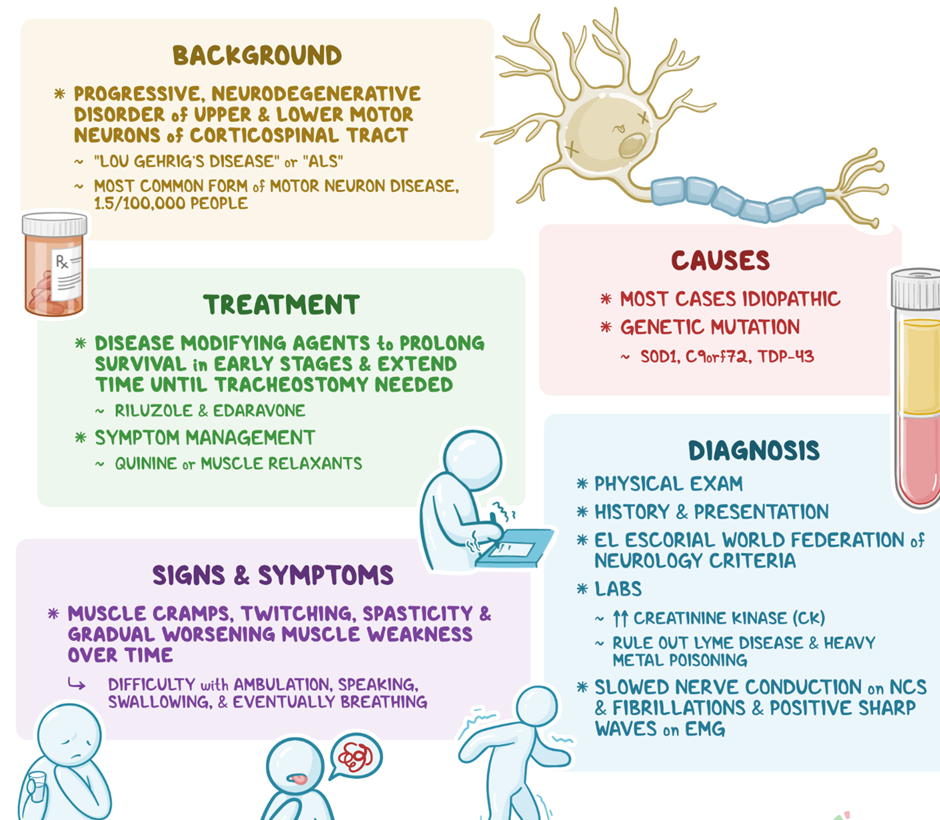
While caring for a client with Amyotrophic Lateral Sclerosis (ALS), the nurse performs a neurological assessment every four hours. Which assessment finding warrants immediate intervention by the nurse?
Increasing anxiety
Inappropriate laughter
Weakened cough effort
Asymmetrical weakness
The Correct Answer is C
A. Increasing anxiety:
While emotional and psychological aspects are important in holistic care, immediate intervention is usually required for physiological concerns. Increasing anxiety may need attention, but it is not as urgent as addressing potential respiratory issues.
B. Inappropriate laughter:
Changes in emotional expression, such as inappropriate laughter, can occur in ALS due to involvement of upper motor neurons. While notable, it may not be as urgent as addressing respiratory concerns.
C. Weakened cough effort.
In ALS, respiratory muscles can become affected as the disease progresses, leading to respiratory complications. Weakened cough effort is concerning because it can indicate potential respiratory muscle weakness, which may lead to difficulty clearing secretions and an increased risk of respiratory compromise or infection.
D. Asymmetrical weakness:
Asymmetrical weakness is a common feature of ALS, but it may not necessarily warrant immediate intervention unless there are sudden changes or signs of acute distress. Respiratory symptoms, such as weakened cough effort, often require more immediate attention.
Nursing Test Bank
Naxlex Comprehensive Predictor Exams
Related Questions
Correct Answer is D
Explanation
A. Encourage regular turning:
While turning is important for preventing complications like pressure ulcers, in this acute situation, addressing fluid imbalance and potential sepsis take precedence.
B. Monitor skin for breakdown:
Monitoring for skin breakdown is essential but is not the most critical intervention at this moment.
C. Assess wound drainage daily:
Daily assessment of wound drainage is important for evaluating the status of the surgical site. However, in this situation of potential anastomosis leakage with signs of systemic infection and hypotension, immediate interventions to stabilize the client's condition are of higher priority.
D. Strict IV fluid replacement:
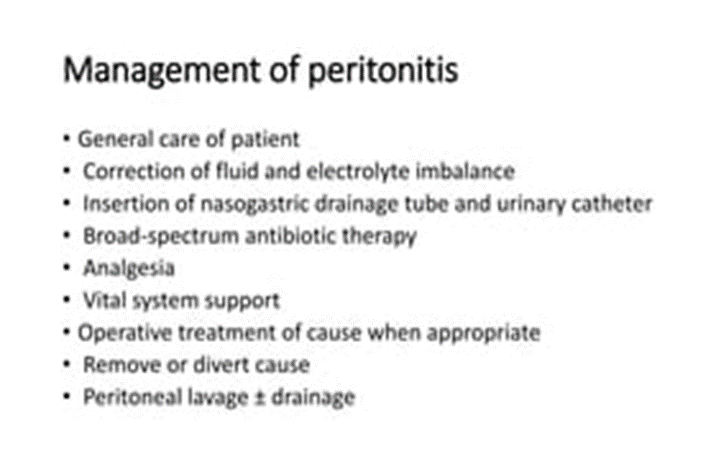
This is the correct answer. The client is displaying signs of systemic infection (fever) and possible sepsis (tachycardia, hypotension), which might be due to an anastomosis leakage following gastric bypass surgery. Ensuring adequate IV fluid replacement is crucial to address hypotension, maintain perfusion, and support hemodynamic stability in this critical situation.
Correct Answer is A
Explanation
A. Minimize symptoms by wearing loose, comfortable clothing:
This is the correct answer. Wearing loose, comfortable clothing can help alleviate pressure on the abdomen, reducing the likelihood of exacerbating GERD symptoms.
B. Sleep without pillows at night to maintain neck alignment:
This recommendation is not specifically related to GERD. In fact, elevating the head of the bed or using extra pillows can be helpful in preventing acid reflux during sleep.
C. Adjust food intake to three full meals per day and no snacks:
It is generally recommended for individuals with GERD to have smaller, more frequent meals rather than three large meals. Eating smaller portions can help reduce the likelihood of gastric distention and reflux.
D. Avoid participation in any aerobic exercise programs:
Exercise is generally beneficial for overall health, but intense aerobic exercise immediately after eating may contribute to GERD symptoms. However, this does not mean avoiding all aerobic exercise. It is more appropriate to advise against vigorous exercise immediately after meals.
Whether you are a student looking to ace your exams or a practicing nurse seeking to enhance your expertise , our nursing education contents will empower you with the confidence and competence to make a difference in the lives of patients and become a respected leader in the healthcare field.
Visit Naxlex, invest in your future and unlock endless possibilities with our unparalleled nursing education contents today