
A female client staggers to day treatment smelling strongly of alcohol. She uses the defense mechanism "rationalization" when approached by the nurse and questioned about her recent alcohol consumption. How is this expressed?
"I have not drunk anything in the last day."
"I can't worry about that problem right now."
"I have to drink to relax to come to day treatment."
"Why does it matter to you if I drink?"
The Correct Answer is C
A) Incorrect. This statement is a straightforward denial rather than rationalization.
B) Incorrect. This response is an example of avoidance or distraction, not rationalization.
C) Correct. Rationalization involves offering logical or reasonable explanations to justify behaviors or actions that might otherwise be unacceptable. In this case, the client is rationalizing her alcohol consumption as a means to relax and cope with the day treatment.
D) Incorrect. This statement reflects a defensive response but is not an example of rationalization.
Nursing Test Bank
Naxlex Comprehensive Predictor Exams
Related Questions
Correct Answer is D
Explanation
A) Incorrect. Delusions of reference involve a belief that everyday events, objects, or other people have a particular and unusual significance. This is not described in the scenario.
B) Incorrect. Tangentiality is a thought disorder where the individual goes off on tangents and never returns to the original point or idea. This is not described in the scenario.
C) Incorrect. Neologism refers to the creation of new words or phrases that have meaning only to the person using them. This is not described in the scenario.
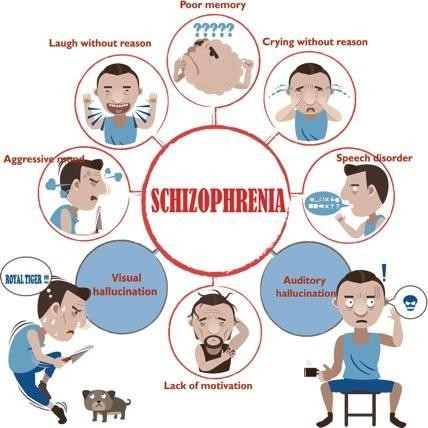
D) Correct. Loose associations are characterized by a disruption in the logical progression of thought, where thoughts become disorganized and may seem unrelated or loosely connected.
Correct Answer is C
Explanation
A) Incorrect. Placing metal utensils on the client's meal tray may pose a safety risk, especially considering the recent suicide attempt.
B) Incorrect. Assigning the client to a private room may be beneficial for privacy, but the more immediate concern is ensuring the safety of the client by inspecting personal belongings.
C) Correct. Inspecting the client's personal belongings is crucial to remove any potentially harmful items that the client may use to harm themselves.
D) Incorrect. Tucking bedcovers over the client's hands and arms is not a specific intervention related to the recent suicide attempt.
Whether you are a student looking to ace your exams or a practicing nurse seeking to enhance your expertise , our nursing education contents will empower you with the confidence and competence to make a difference in the lives of patients and become a respected leader in the healthcare field.
Visit Naxlex, invest in your future and unlock endless possibilities with our unparalleled nursing education contents today