
A home health nurse is assessing a client who has amyotrophic lateral sclerosis (ALS) and has had recent weight loss. Which of the following is the priority admission data for the nurse to obtain?
Swallowing ability
Changes in appetite
Prescribed medications
Daily fluid intake
The Correct Answer is A
A: Swallowing ability is crucial because ALS often leads to dysphagia, which can cause weight loss due to difficulty eating and the risk of aspiration.
B: Changes in appetite are important but secondary to physical ability to eat safely.
C: While knowing about prescribed medications is necessary, it does not directly address the issue of weight loss as critically as swallowing ability.
D: Fluid intake is important but the priority is assessing the ability to swallow safely, which directly impacts nutritional status.
Nursing Test Bank
Naxlex Comprehensive Predictor Exams
Related Questions
Correct Answer is C
Explanation
A. While evaluating uterine tone is part of routine labor monitoring, it does not address the urgent need to relieve pressure on the prolapsed umbilical cord.
B. Keeping the cord moist is less of a priority than immediate measures to relieve pressure on the cord.
C. For a prolapsed umbilical cord, the immediate goal is to relieve pressure on the cord to maintain fetal oxygenation. Placing the client in the Trendelenburg position or a knee-to-chest position can help reduce the pressure on the cord by using gravity to shift the fetal presenting part toward the diaphragm.
D. Applying fundal pressure is contraindicated in the case of umbilical cord prolapse as it can increase pressure on the cord and exacerbate fetal distress.
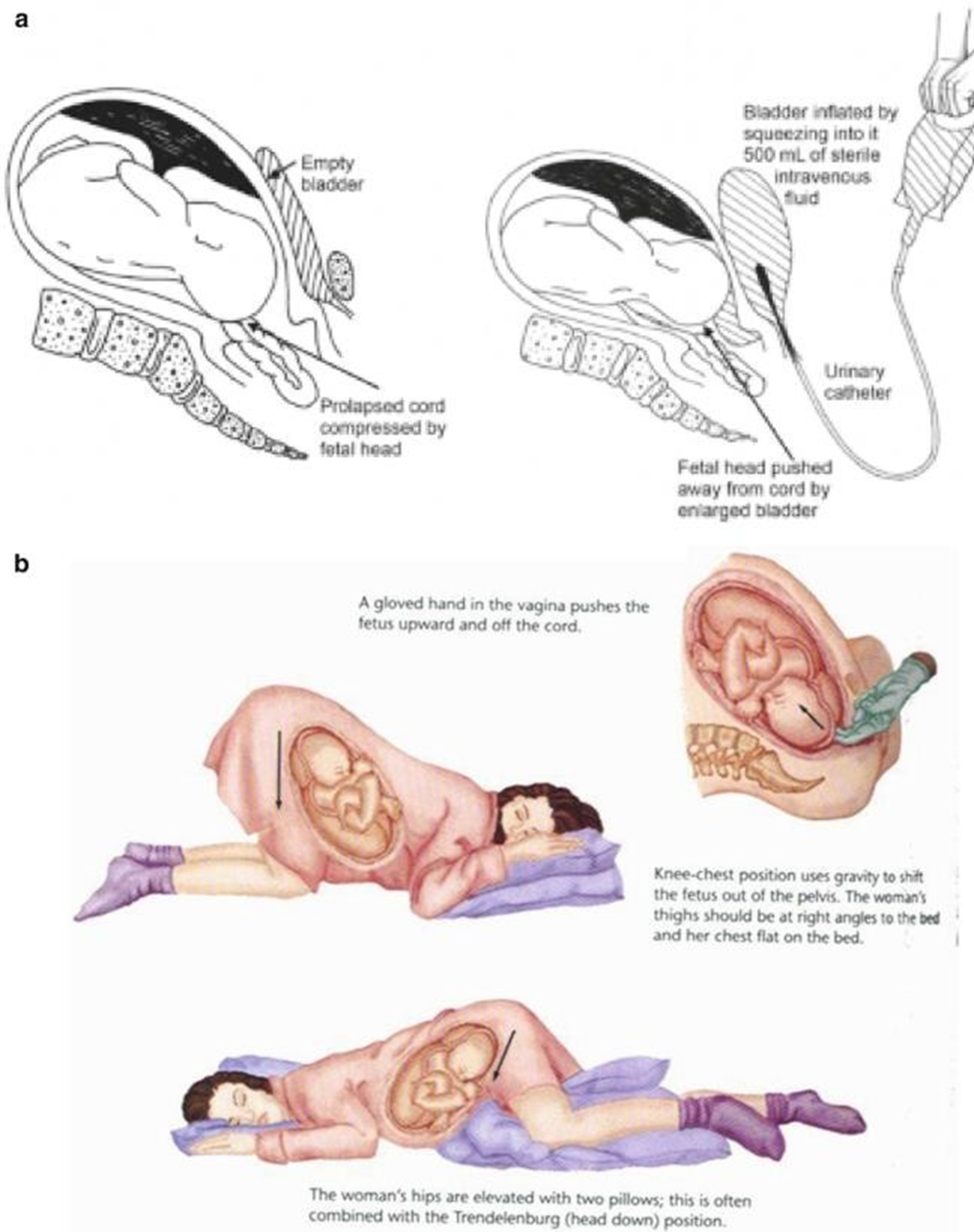
Correct Answer is C
Explanation
A. While rest and a quiet environment can be beneficial, encouraging the client to address the hallucinations directly is more appropriate.
B. Avoiding eye contact may be perceived as dismissive or unhelpful.
C. Engaging the client in open communication about their hallucinations can help build trust and rapport, as well as provide valuable information for treatment planning.
D. Validating hallucinations as real can reinforce delusional thinking and may not be therapeutically beneficial.
Whether you are a student looking to ace your exams or a practicing nurse seeking to enhance your expertise , our nursing education contents will empower you with the confidence and competence to make a difference in the lives of patients and become a respected leader in the healthcare field.
Visit Naxlex, invest in your future and unlock endless possibilities with our unparalleled nursing education contents today