
A new client is diagnosed with agoraphobia. Which of the following would the healthcare identify as a characteristic of this disorder?
Select one:
Fear Of using public transportation
Avoids interacting with strangers and speaking in public
Avoids being in the presence of spiders
Refuses to use a public restroom because Of the virus, fungus, and bacteria
The Correct Answer is A
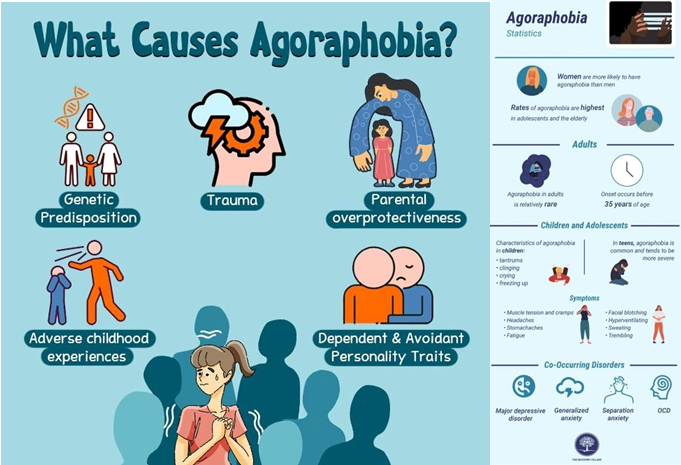
Agoraphobia is an anxiety disorder characterized by the fear or avoidance of situations or places where escape might be difficult or help may not be available in the event of a panic attack or other distressing symptom. Individuals with agoraphobia may have intense anxiety or panic symptoms in places such as crowded areas, enclosed spaces, public transportation, open spaces, or places far away from home.
Option b refers to social anxiety disorder.
Option c refers to specific phobia.
Option d refers to obsessive-compulsive disorder.
Nursing Test Bank
Naxlex Comprehensive Predictor Exams
Related Questions
Correct Answer is A
Explanation
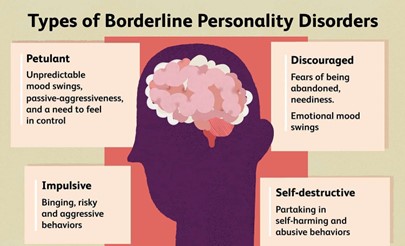
Borderline personality disorder is a serious mental illness characterized by instability in mood, behaviour, and self-image. Patients with borderline personality disorder are at a high risk of self-harm, suicide, and impulsive behaviours. Therefore, the nurse's priority assessment should be to identify any suicidal or homicidal ideations, as these can be life-threatening emergencies. Once identified, appropriate interventions should be initiated, such as suicide precautions, crisis management, and referral to mental health professionals for further evaluation and treatment.
While sleep patern changes, impulsive behaviours, and support systems are also important aspects to assess in patients with borderline personality disorder, they are not the priority when compared to suicidal or homicidal ideations.
Correct Answer is A
Explanation
This response is appropriate because it seeks clarification and more information to help the nurse better understand the patient's statement. By asking for an example, the nurse can gain a better understanding of the patient's experience and identify appropriate interventions to help the patient manage their anxiety.
Option b is not an appropriate response as it does not seek clarification and instead asks the patient to repeat themselves.
Option c is partially appropriate but could be improved by asking more specific questions to help the patient articulate their feelings and needs.
Option d is not an appropriate response as it dismisses the patient's feelings and may cause the patient to feel unsupported and isolated.
Whether you are a student looking to ace your exams or a practicing nurse seeking to enhance your expertise , our nursing education contents will empower you with the confidence and competence to make a difference in the lives of patients and become a respected leader in the healthcare field.
Visit Naxlex, invest in your future and unlock endless possibilities with our unparalleled nursing education contents today