
A nurse is caring for several clients who are attending community-based mental health programs. Which Of the following clients should the nurse plan to visit first?
Select one:
A client who recently burned her arm by accident while using a hot iron at home.
A client who tells the nurse he experienced manifestations of severe anxiety before and during a job interview.
A client who requests that her antipsychotic medication be changed due to some new adverse effects.
A client that says he is hearing a voice that tells him he is not worthy of living anymore.
The Correct Answer is D
This client is experiencing auditory hallucinations and may be at risk for self-harm or suicide. The nurse should prioritize visiting this client first to assess their safety and provide appropriate interventions.
Option a. A client who recently burned her arm by accident while using a hot iron at home may require wound care and education on safety, but this situation is not as urgent as the client experiencing auditory hallucinations.
Option b. A client who tells the nurse he experienced manifestations of severe anxiety before and during a job interview may benefit from interventions to manage anxiety, but this situation is not as urgent as the client experiencing auditory hallucinations.
Option c. A client who requests that her antipsychotic medication be changed due to some new adverse effects may require medication adjustment and monitoring for side effects, but this situation is not as urgent as the client experiencing auditory hallucinations.
Nursing Test Bank
Naxlex Comprehensive Predictor Exams
Related Questions
Correct Answer is C
Explanation
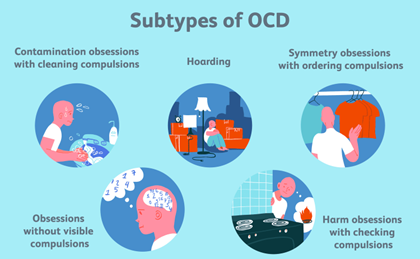
When caring for a client with obsessive-compulsive disorder (OCD), it is important for the nurse to understand that the client’s compulsive behaviors are a way for them to manage their anxiety and distress. Rather than trying to confront or eliminate these behaviors, the nurse should work with the client to develop a schedule that allows time for their rituals while also incorporating other activities and treatments.
Option a. Confront the client about the senseless nature of repetitive behaviors is not a helpful intervention because it may increase the client’s anxiety and distress.
Option b. Isolate the client for a period of time is not a helpful intervention because it does not address the underlying causes of the client’s compulsive behaviors.
Option d. Set very strict limits on the behaviors so that the client can conform to the unit rules and schedules is not a helpful intervention because it may increase the client’s anxiety and distress and may interfere with their ability to participate in treatment.
Correct Answer is B
Explanation
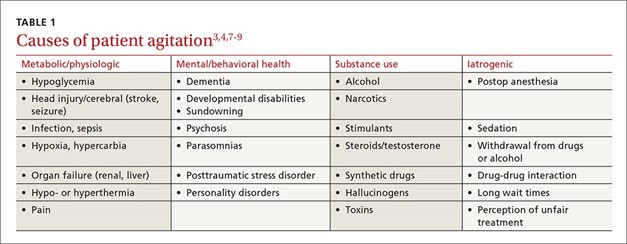
This response acknowledges the client's distress and opens the opportunity for the client to express their feelings and concerns. It also demonstrates empathy and a willingness to listen, which can help deescalate the situation and build trust between the nurse and client.
Option a ("Others are being distracted; Please, quiet down and go to your room") is dismissive of the client's feelings and may further escalate the situation.
Option c ("Please go to your room to get control of yourself") is directive and may be perceived as confrontational, potentially increasing the client's agitation.
Option d ("What's going on? Be quiet") is insensitive and dismissive of the client's distress and may further agitate the client.
Whether you are a student looking to ace your exams or a practicing nurse seeking to enhance your expertise , our nursing education contents will empower you with the confidence and competence to make a difference in the lives of patients and become a respected leader in the healthcare field.
Visit Naxlex, invest in your future and unlock endless possibilities with our unparalleled nursing education contents today