
A nurse accidentally administers the medication metformin instead of metoprolol to a client.
Which of the following actions should the nurse take?
Collect the client's uric acid level.
Obtain the client's HDL level.
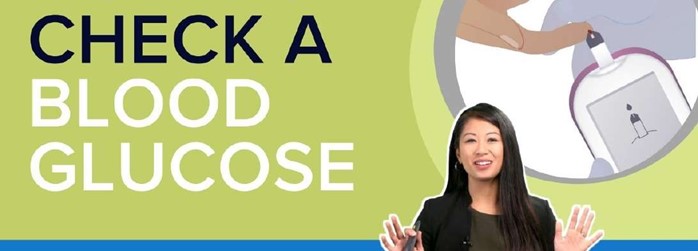
Check the client's glucose level.
Monitor the client's thyroid function levels.
The Correct Answer is C
Metformin is an antidiabetic agent used to treat type 2 diabetes mellitus.
It works by decreasing carbohydrate absorption from the gut, increasing glucose uptake in peripheral tissues in the presence of insulin, and reducing hepatic gluconeogenesis.
In normal patients, metformin ingestion is not associated with hypoglycemia.
However, it is still important to check the client’s glucose level to ensure that it is within a safe range.
Choice A is wrong because collecting the client’s uric acid level is not necessary after accidental administration of metformin.
Choice B is wrong because obtaining the client’s HDL level is not necessary after accidental administration of metformin.
Choice D is wrong because monitoring the client’s thyroid function levels is not necessary after accidental administration of metformin.
Nursing Test Bank
Naxlex Comprehensive Predictor Exams
Related Questions
Correct Answer is A
Explanation
The nurse should withhold the dose of propranolol and notify the provider.
Using propranolol together with albuterol may reduce the benefits of both medications, since they have opposing effects in the body.
In addition, propranolol can sometimes cause narrowing of the airways, which may worsen breathing problems or trigger severe asthmatic attacks.
Choice B is wrong because there is no known interaction between albuterol and isosorbide mononitrate.
Choice C is wrong because there is no known interaction between albuterol and pantoprazole.
Choice D is wrong because there is no known interaction between albuterol and montelukast.
Correct Answer is C
Explanation
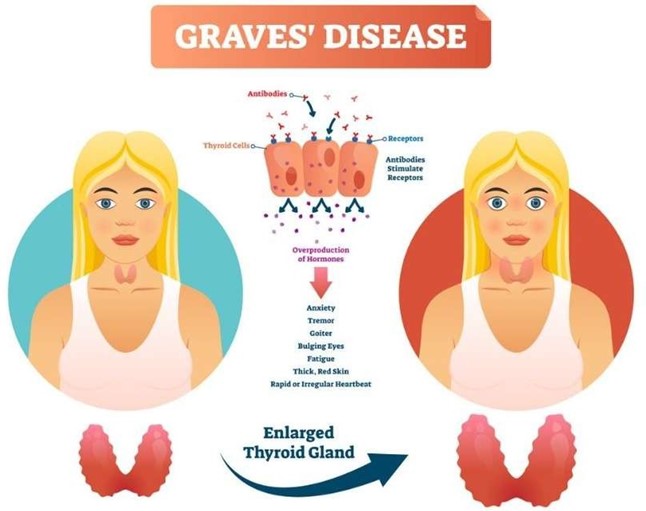
Methimazole is a medication used to treat hyperthyroidism, a condition where the thyroid gland produces too much thyroid hormone.
Bradycardia, or a slow heart rate, can be a sign that the client’s thyroid hormone levels have become too low, indicating that the dose of methimazole may need to be decreased.
Choice A is wrong because Exophthalmos, is not an indication for a lower dose of methimazole as it is a symptom of Graves’ disease itself and not related to the medication.
Choice B is wrong because Diaphoresis, or excessive sweating, is also not an indication for a lower dose of methimazole as it can be a symptom of hyperthyroidism.
Choice D is wrong because Weight loss, is also not an indication for a lower dose of methimazole as it can be a symptom of hyperthyroidism.
Whether you are a student looking to ace your exams or a practicing nurse seeking to enhance your expertise , our nursing education contents will empower you with the confidence and competence to make a difference in the lives of patients and become a respected leader in the healthcare field.
Visit Naxlex, invest in your future and unlock endless possibilities with our unparalleled nursing education contents today