
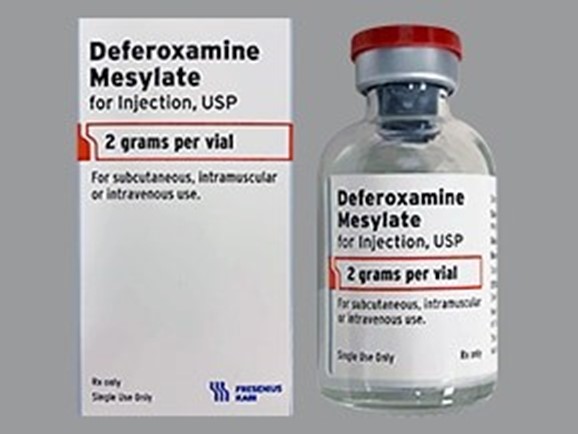
A nurse at a pediatrician's office is contacted by a parent whose child just ingested half a bottle of vitamins with added ferrous sulfate.
Which of the following instructions should the nurse provide to the parent?
Bring the child to the office for a rapid infusion of deferoxamine.
Give the child syrup of ipecac.
Contact the poison control center.
Provide a high-carbohydrate meal.
The Correct Answer is C
In the event of a potential poisoning, the first step should be to contact the poison control center for guidance on how to proceed.
Choice A is not correct because rapid infusion of deferoxamine is not the first step in managing iron overdose.
Choice B is not correct because syrup of ipecac is no longer recommended for use in cases of poisoning.
Choice D is not correct because providing a high-carbohydrate meal is not an appropriate intervention for iron overdose.
Nursing Test Bank
Naxlex Comprehensive Predictor Exams
Related Questions
Correct Answer is A
Explanation
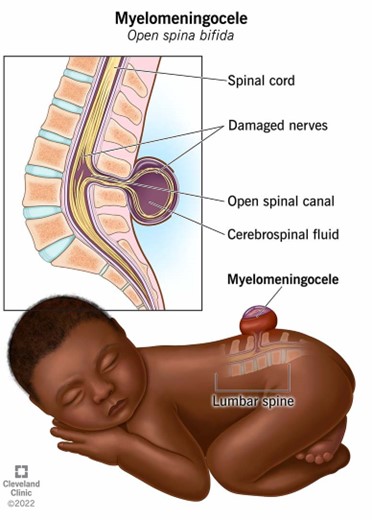
A.Infants with spina bifida, including those with myelomeningocele, have an increased risk of rectal anomalies, so avoiding rectal temperatures is essential. The correct and safe method of temperature measurement for these infants is typically axillary.
B. Placing the infant in a side-lying positionis not recommended for a child with myelomeningocele. The preferred position isprone to avoid pressure on the sac and reduce the risk of rupture and infection.
C.Maintains a dry dressing over the sac: While the sac should be kept covered, it is typically kept moist with sterile saline-soaked gauze to prevent it from drying out and to minimize the risk of infection.
D.Performs range of motion on the infant's hips: Range of motion exercises might be indicated later on, but initially, the focus is on protecting the sac and preventing complications.
Correct Answer is C
Explanation
The correct answer ischoice C.
Choice A rationale:
A lead level of 10 mcg/dL is above the CDC’s reference value of 3.5 mcg/dL and would require more immediate follow-up and intervention, not just rescreening in one year.
Choice B rationale:
A lead level of 18 mcg/dL is significantly elevated and would necessitate immediate medical intervention and frequent monitoring, rather than waiting a year for rescreening.
Choice C rationale:
A lead level of 4 mcg/dL is slightly above the CDC’s reference value of 3.5 mcg/dL.While it is concerning, it may be appropriate to rescreen in one year if no other risk factors are present.
Choice D rationale:
A lead level of 44 mcg/dL is dangerously high and requires urgent medical treatment and frequent follow-up, not just rescreening in one year.
Whether you are a student looking to ace your exams or a practicing nurse seeking to enhance your expertise , our nursing education contents will empower you with the confidence and competence to make a difference in the lives of patients and become a respected leader in the healthcare field.
Visit Naxlex, invest in your future and unlock endless possibilities with our unparalleled nursing education contents today