
A nurse hangs a bag of dextrose 5% in water, 1,000 mL at 0800 to run at 125 mL/hr. At 1200, the nurse notices that the client's IV bag is empty. Which of the following interventions should the nurse take first?
Notify the primary care provider.
Assess the client's vital signs.
Calculate the infused volume.
Complete an incident report.
The Correct Answer is B
If a nurse hangs a bag of dextrose 5% in water, 1,000 mL at 0800 to run at 125 mL/hr and notices that the client's IV bag is empty at 1200, the first intervention the nurse should take is to assess the client's vital signs. This will help the nurse determine if the client is experiencing any adverse effects from the rapid infusion of fluids.
Option a is incorrect because notifying the primary care provider is important but not the first intervention.
Option c is incorrect because calculating the infused volume is important but not the first intervention.
Option d is incorrect because completing an incident report is important but not the first intervention.
Nursing Test Bank
Naxlex Comprehensive Predictor Exams
Related Questions
Correct Answer is ["A","B","D","E"]
Explanation
The nurse should stop the transfusion, place the client in high-Fowler's position, obtain a prescription for a diuretic, and administer oxygen to the client. These actions can help manage the symptoms of transfusion- associated circulatory overload (TACO), which can occur when a client receives too much fluid too quickly during a blood transfusion.
c. Administering epinephrine is not an appropriate action for managing TACO. Epinephrine is used to treat anaphylaxis, which is a different type of transfusion reaction.

Correct Answer is B
Explanation
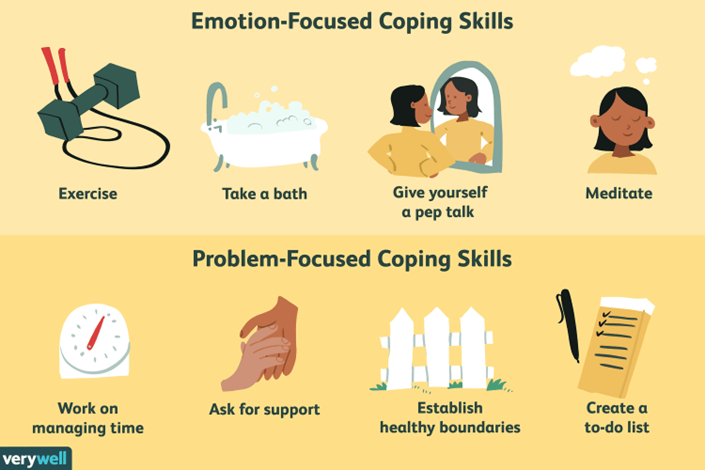
The priority intervention for a client with a new diagnosis of terminal cancer is to discuss the client's prior coping mechanisms. This will help the nurse to understand how the client has coped with difficult situations in the past and to develop a plan of care that is tailored to the client's individual needs and preferences.
Options a, c, and d are also important interventions, but they are not the priority. Helping the client to find a local support group, developing a list of goals with the client, and teaching the client to use progressive relaxation techniques can all be helpful in supporting the client's emotional well-being, but they should be implemented after the nurse has assessed the client's coping mechanisms and developed a plan of care.
Whether you are a student looking to ace your exams or a practicing nurse seeking to enhance your expertise , our nursing education contents will empower you with the confidence and competence to make a difference in the lives of patients and become a respected leader in the healthcare field.
Visit Naxlex, invest in your future and unlock endless possibilities with our unparalleled nursing education contents today