
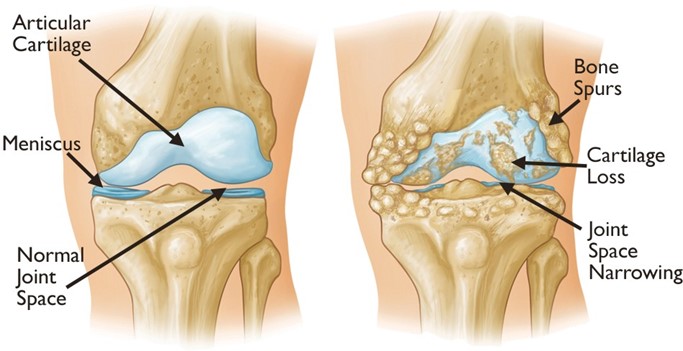
A nurse in a clinic is collecting data from an older adult client who has a new diagnosis of osteoarthritis. Which of the following medications should the nurse anticipate the provider will initially prescribe to the client?
Hyaluronic acid
Ibuprofen
Acetaminophen
Celecoxib
The Correct Answer is C
The nurse should anticipate that the provider will initially prescribe acetaminophen to the client who has a new diagnosis of osteoarthritis. Acetaminophen (Tylenol, others) has been shown to help some people with osteoarthritis who have mild to moderate pain². It is often used as a first-line treatment for osteoarthritis pain.
a. Hyaluronic acid is not typically the first medication prescribed for osteoarthritis.
b. Ibuprofen may be prescribed for osteoarthritis but is not typically the first medication prescribed.
d. Celecoxib may be prescribed for osteoarthritis but is not typically the first medication prescribed.
Nursing Test Bank
Naxlex Comprehensive Predictor Exams
Related Questions
Correct Answer is A
Explanation
a.Skeletal traction is often better than skin traction for reducing and maintaining alignment of a fracture because it involves the insertion of pins, wires, or screws directly into the bone, allowing for greater force and stability.
b.Clients in skin traction typically have less mobility compared to those in skeletal traction. Skin traction is usually used for short-term purposes or less severe fractures and involves attaching weights to the skin using adhesive materials or bandages, which can limit movement to some extent.
c.Skeletal traction involves inserting hardware into the bone, which creates an entry point for potential infection. Therefore, it has a higher risk for infection compared to skin traction, which does not involve invasive procedures.
d.While both types of traction can cause discomfort, skeletal traction is typically more invasive and can be associated with more discomfort and pain due to the pins or wires inserted into the bone. Skin traction, while uncomfortable due to the adhesive and pressure on the skin, generally causes less discomfort than skeletal traction.
Correct Answer is B
Explanation
Checking capillary refill in the affected extremity every 4 hr is an important intervention for a nurse to include in the plan of care for an older adult client who is 4 hr postoperative following an open reduction and internal fixation of a fractured femur. This helps to monitor the blood flow to the affected extremity and ensure that it is adequate.
a. Maintaining the client on bed rest for 72 hr after surgery is not necessarily required for a patient who has undergone an open reduction and internal fixation of a fractured femur. The patient's mobility should be determined by their individual needs and the surgeon's instructions.
c. Restricting oral fluid intake to 1,000 ml per day is not necessary for a patient who has undergone an open reduction and internal fixation of a fractured femur. The patient's fluid intake should be determined by their individual needs and any medical conditions they may have.
d. Removing antiembolic stockings once each day to examine skin integrity is not necessarily required for a patient who has undergone an open reduction and internal fixation of a fractured femur. The use of antiembolic stockings and their removal should be determined by the patient's individual needs and the surgeon's instructions.
Whether you are a student looking to ace your exams or a practicing nurse seeking to enhance your expertise , our nursing education contents will empower you with the confidence and competence to make a difference in the lives of patients and become a respected leader in the healthcare field.
Visit Naxlex, invest in your future and unlock endless possibilities with our unparalleled nursing education contents today