
A nurse in a pediatric clinic is reviewing the urine laboratory results for an adolescent.
For which of the following results should the nurse notify the provider?
Specific gravity 1.020
Uric acid 475 mg/24 hr
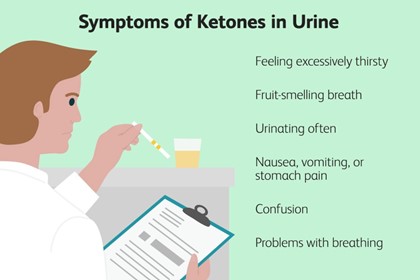
Ketones positive
Nitrites negative
The Correct Answer is C
c. Ketones positive.
Explanation:
Ketones in the urine can be an indication of diabetic ketoacidosis (DKA) or other metabolic disorders. It is abnormal and should be reported to the healthcare provider for further evaluation and management. Positive ketones suggest that the body is breaking down fats for energy instead of using glucose, which can be a sign of inadequate insulin levels or utilization.
Options a, b, and d are within normal ranges or do not indicate an immediate concern. A specific gravity of 1.020 is within the normal range and indicates appropriate urine concentration. Uric acid levels of 475 mg/24 hr are not mentioned as abnormal or concerning in the context provided. Nitrites negative indicates the absence of nitrites in the urine, which is a normal finding and indicates the absence of a urinary tract infection.
However, it's important to note that clinical judgment should always be exercised, and the nurse should consider the patient's overall clinical presentation and history when interpreting laboratory results and making decisions regarding reporting to the provider.
Nursing Test Bank
Naxlex Comprehensive Predictor Exams
Related Questions
Correct Answer is B
Explanation
b. Rationalization
Explanation:
The correct answer is b. Rationalization.
Rationalization is a defense mechanism characterized by the individual's atempt to justify or explain their behavior or actions in a way that makes it more acceptable to themselves or others. It involves providing logical-sounding reasons or excuses to mask or minimize the real underlying reasons for their behavior.
In this scenario, the client is atributing their recent behavior to the loss of their job, using it as a justification or explanation for their actions. By blaming the job loss, they are rationalizing their behavior as a direct result of the circumstances they faced.
Option a, Projection, involves atributing one's own unacceptable thoughts, feelings, or behaviors to others.
This defense mechanism does not apply to the client's statement about their job loss.
Option c, Repression, involves the unconscious blocking of unwanted thoughts or feelings. It does not relate to the client's behavior or their explanation for it.
Option d, Sublimation, is a defense mechanism where an individual channels or redirects unacceptable impulses or emotions into socially acceptable behaviors or activities. It is not applicable in this context since the client is not expressing their emotions or impulses through alternative constructive means.
By identifying the client's explanation as rationalization, the nurse recognizes the defense mechanism being used and gains insight into how the client is coping with their emotions and justifying their behavior in response to the job loss. This understanding can guide the nurse in providing appropriate support and interventions to help the client manage their anger more effectively.
Correct Answer is A
Explanation
After a patient dies, postmortem care includes preparing them for family viewing . The nurse should place the body in the supine position, with the arms at the sides and the head on a pillow. Then elevate the head of the bed 30 degrees to prevent discoloration from blood setling in the face.
The other options are not correct because:
b) The nurse should cleanse the client's body while wearing appropriate personal protective equipment (PPE) based on indications for isolation precautions, not necessarily sterile gloves.
c) If the patient wore dentures and your facility’s policy permits, gently insert them; then close the mouth.
d) The nurse should close the eyes by gently pressing on the lids with their fingertips. If they don’t stay closed, place moist coton balls on the eyelids for a few minutes, and then try again to close them. Surgical tape is not mentioned as necessary .
Whether you are a student looking to ace your exams or a practicing nurse seeking to enhance your expertise , our nursing education contents will empower you with the confidence and competence to make a difference in the lives of patients and become a respected leader in the healthcare field.
Visit Naxlex, invest in your future and unlock endless possibilities with our unparalleled nursing education contents today