
A nurse in an extended-care facility is reinforcing teaching for with a group of newly licensed nurses about the expected physiologic changes of aging. Which of the following information should the nurse include? (Select all that apply.)
More difficulty seeing due to a greater sensitivity to glare
Decreased systolic blood pressure
Decreased bladder capacity
Decreased cough reflex
Dehydration of intervertebral discs
Correct Answer : A,B,C,D,E
A. Age-related changes can cause difficulty seeing, particularly with glare sensitivity.
B. Systolic blood pressure tends to decrease with age.
C. Bladder capacity decreases with age, leading to increased frequency of urination.
D. The cough reflex weakens with age, increasing the risk of aspiration.
E. Intervertebral discs can become dehydrated with age, contributing to a loss of height and increased risk of disc herniation.
Nursing Test Bank
Naxlex Comprehensive Predictor Exams
Related Questions
Correct Answer is D
Explanation
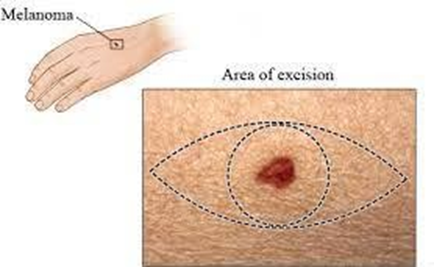
A. Cryosurgery involves freezing the lesion and is typically used for benign lesions.
Malignant melanoma often requires more extensive treatment.
B. Radiation therapy may be used in certain cases, but surgical excision is often the primary treatment for malignant melanoma.
C. Chemotherapy is not the primary treatment for localized malignant melanoma but may be used for advanced cases or metastatic disease.
D. Surgical excision is the primary treatment for localized malignant melanoma, aiming to remove the tumor along with a margin of normal tissue.
Correct Answer is C
Explanation
A. Osteoarthritis typically affects specific joints and is not necessarily bilateral throughout the body.
B. Osteoarthritis is not an autoimmune disease; it is a degenerative joint disease.
C. Moist heat can provide relief for osteoarthritis pain by improving joint flexibility and reducing stiffness.
D. Osteoarthritis is primarily a localized joint disease and does not usually result in systemic symptoms.
Whether you are a student looking to ace your exams or a practicing nurse seeking to enhance your expertise , our nursing education contents will empower you with the confidence and competence to make a difference in the lives of patients and become a respected leader in the healthcare field.
Visit Naxlex, invest in your future and unlock endless possibilities with our unparalleled nursing education contents today