
A nurse is assessing a client who is recovering from a stroke. Which of the following findings is a manifestation of dysphagia?
Weight gain
Continuous smiling
Hoarse voice
Expressive aphasia
The Correct Answer is C
Dysphagia refers to difficulty or discomfort in swallowing. It can occur as a result of weakened or impaired muscles involved in swallowing, which is common after a stroke. When dysphagia is present, it can affect the function of the vocal cords and lead to changes in voice quality, including hoarseness. The hoarseness may be due to the entry of food or liquid into the airway during swallowing, causing irritation to the vocal cords.
Weight gain is not a typical manifestation of dysphagia. If dysphagia is severe and leads to food avoidance or restricted intake, weight loss may occur instead.
Continuous smiling is not a specific manifestation of dysphagia. It may be seen in some stroke survivors as a result of changes in facial muscle control, such as facial weakness or spasticity. However, it is not directly related to dysphagia.
Expressive aphasia refers to difficulty expressing thoughts or using language effectively. It is a common language impairment that can occur after a stroke, specifically affecting the ability to produce or articulate words and sentences. While it is a communication difficulty, it is not directly related to dysphagia, which specifically refers to difficulty swallowing.
Nursing Test Bank
Naxlex Comprehensive Predictor Exams
Related Questions
Correct Answer is B
Explanation
Wipe dentures before storing them in a dry container at night: This is a correct instruction. Before storing dentures overnight, it is important to remove debris and rinse them with water. Wiping the dentures helps to remove any remaining residue or particles and keeps them relatively clean until the next use. Storing dentures in a dry container helps prevent the growth of microorganisms and maintains the shape of the dentures.
Wrap gloved fingers with gauze to remove dentures: This is not the recommended technique for removing dentures. Instead, it is recommended to use a denture brush or a soft-bristled toothbrush with a non-abrasive denture cleaner or mild soap to clean the dentures. The use of gauze may not provide adequate cleaning and may cause damage to the denture surface.
Use a washcloth to clean the denture surfaces: A washcloth is not the ideal tool for cleaning dentures. Instead, a denture brush or a soft-bristled toothbrush should be used. These tools are specifically designed to clean denture surfaces effectively without causing damage.
Floss dentures as part of daily cleaning: Flossing is not necessary for denture cleaning since dentures do not have natural teeth or spaces between them. However, it is important to clean all surfaces of the dentures using a denture brush or a soft-bristled toothbrush to remove plaque, debris, and stains.
Correct Answer is D
Explanation
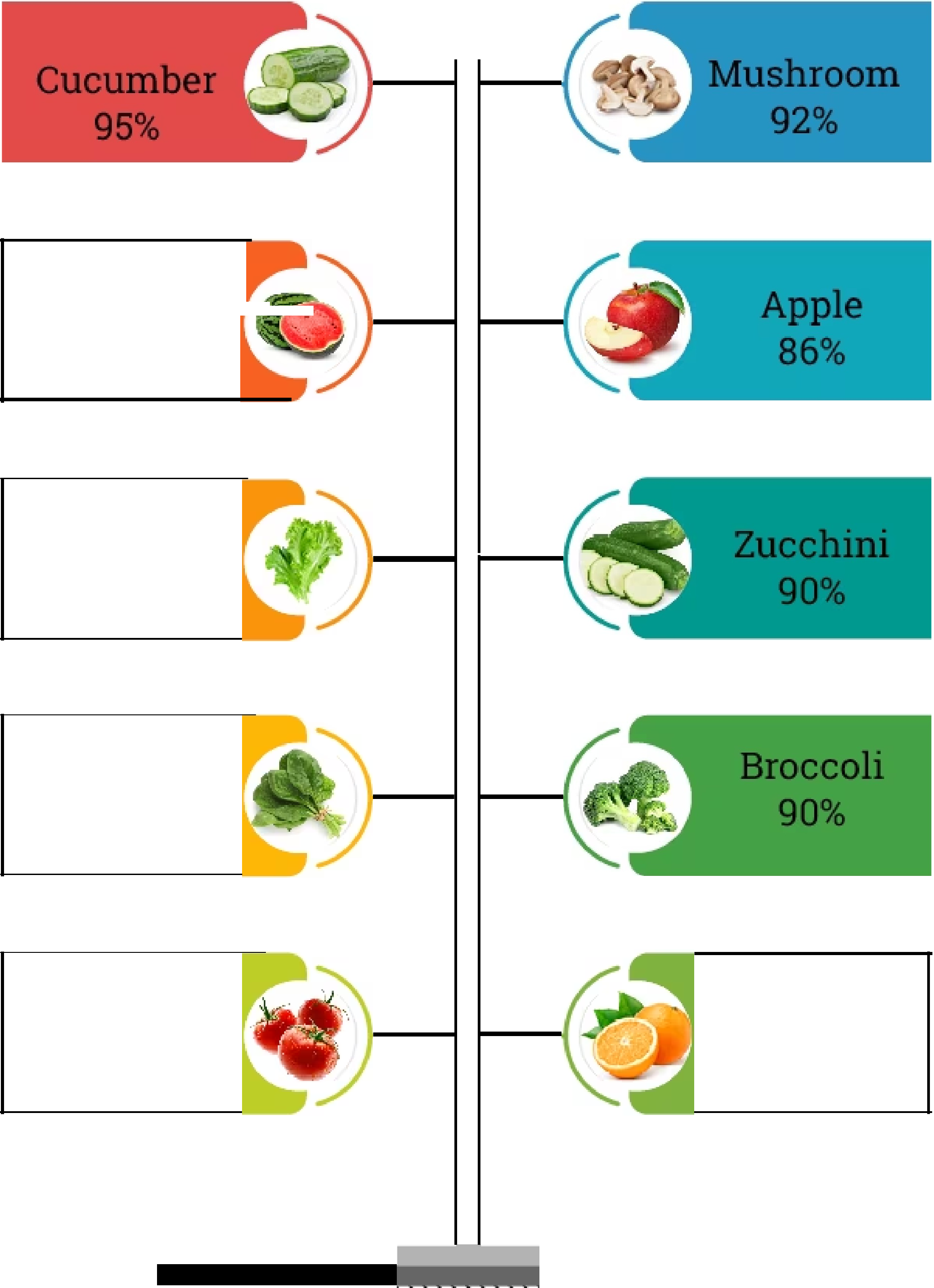
When educating the parent about the importance of maintaining water intake to prevent dehydration, recommending foods with high water content can be helpful. Among the options given, broccoli has the highest percentage of water content.
Here's the approximate percentage of water content in each food:
● Cheddar cheese: Cheddar cheese has a low water content, approximately 36%.
● Whole-wheat bread: Whole-wheat bread contains a moderate amount of water, usually around 35-40%.
● Almonds: Almonds have a relatively low water content, approximately 4-6%.
● Broccoli: Broccoli is a vegetable with a high water content, usually around 90-91%.
WATER-RICH FOODS
Whether you are a student looking to ace your exams or a practicing nurse seeking to enhance your expertise , our nursing education contents will empower you with the confidence and competence to make a difference in the lives of patients and become a respected leader in the healthcare field.
Visit Naxlex, invest in your future and unlock endless possibilities with our unparalleled nursing education contents today