
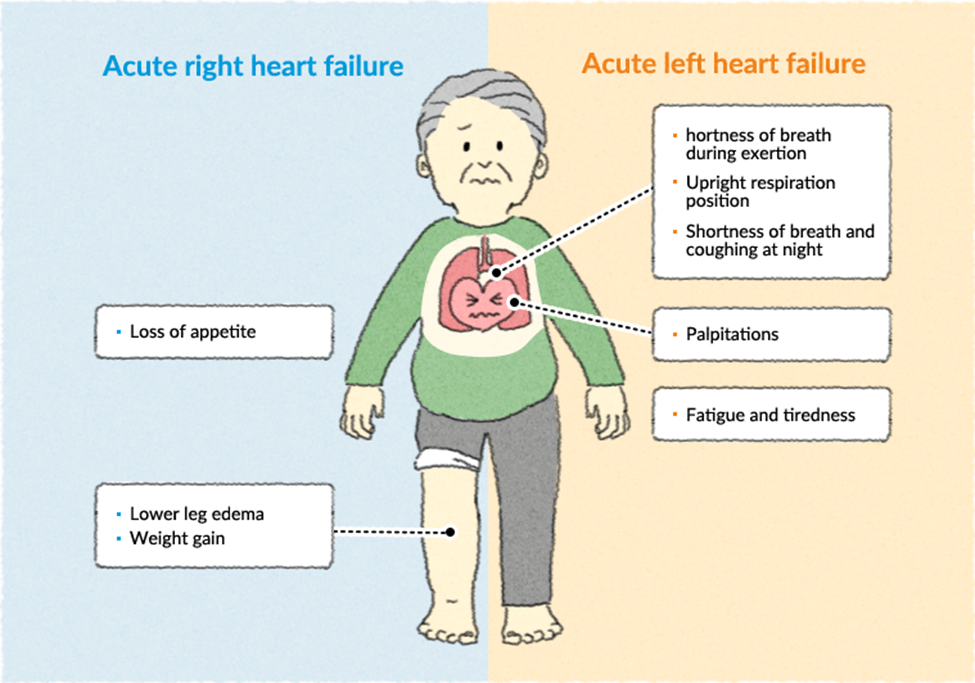
A nurse is assessing a toddler who has heart failure. Which of the following findings should the nurse expect?
Orthopnea
Bradycardia
Weight loss
Increased urine output
The Correct Answer is A
A. Orthopnea
Explanation:
Orthopnea refers to difficulty breathing that occurs when lying flat. In heart failure, fluid may accumulate in the lungs, leading to respiratory distress when the child is in a supine position. Orthopnea is a common symptom of heart failure in both adults and children.
B. Bradycardia
Explanation: Bradycardia (slow heart rate) is not a typical finding in heart failure. Heart failure often leads to compensatory mechanisms, including an increased heart rate (tachycardia), to maintain cardiac output.
C. Weight loss
Explanation: Weight loss is not a typical finding in heart failure. In fact, heart failure in children may lead to fluid retention and weight gain rather than weight loss.
D. Increased urine output
Explanation: Heart failure in toddlers is more likely to be associated with decreased urine output rather than increased urine output. Reduced cardiac output can result in decreased blood flow to the kidneys, leading to decreased urine production and potential fluid retention. Increased urine output is not a characteristic finding in heart failure.
Nursing Test Bank
Naxlex Comprehensive Predictor Exams
Related Questions
Correct Answer is B
Explanation
A. It is inconclusive
Explanation: A serum phenylalanine level within the normal range is considered conclusive in ruling out phenylketonuria. Inconclusive results typically occur when there are issues with the sample or testing process.
B. It is negative
Explanation:
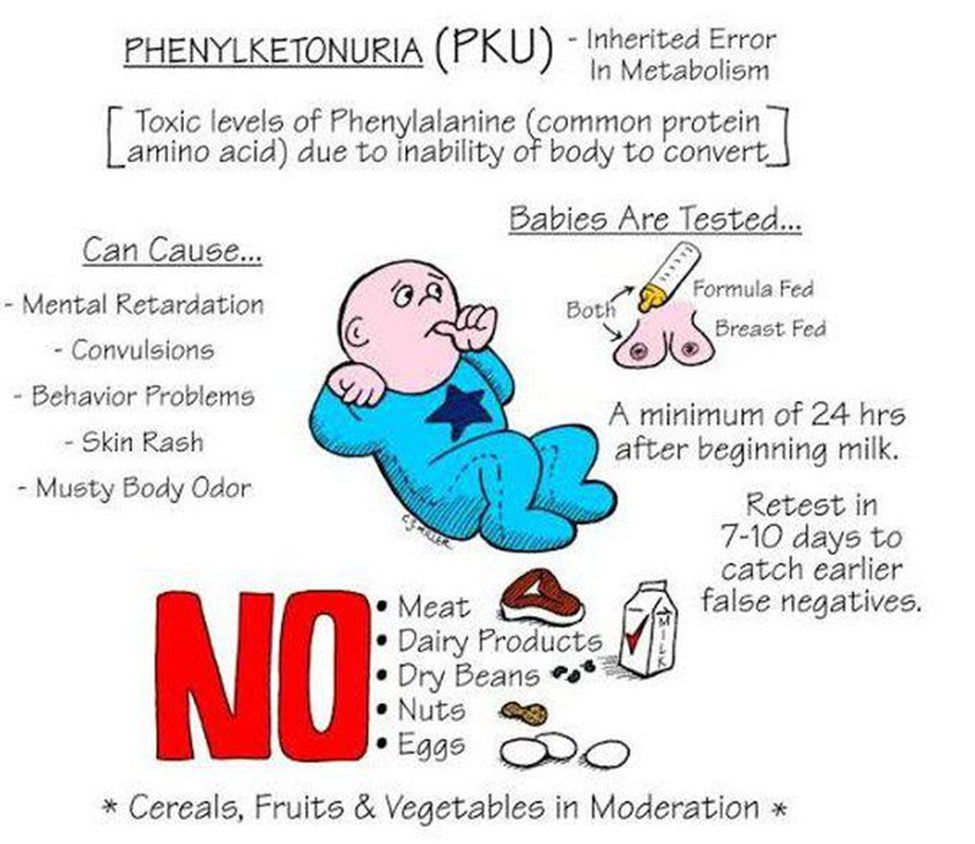
A serum phenylalanine level of 1 mg/dL (60.5 mcmol/L) in a 2-week-old infant is within the normal range. In the context of phenylketonuria (PKU) screening, a "negative" result means that the phenylalanine levels are within the expected range, and there is no evidence of phenylketonuria.
C. It requires rescreening at age 6 weeks.
Explanation: If the initial screening result is within the normal range, rescreening at age 6 weeks may not be necessary for phenylketonuria. The timing and need for rescreening may vary based on local protocols and individual patient factors.
D. It is positive
Explanation: A positive result for phenylketonuria would indicate that the serum phenylalanine levels are elevated, suggesting a potential diagnosis of PKU. In this case, the result is negative, meaning there is no evidence of PKU.
Correct Answer is B
Explanation
A. "I will have my child wear soft fabric clothing under the brace."
Explanation: Wearing soft fabric clothing under the brace can enhance comfort and reduce the risk of irritation. This is a suitable practice.
B. "I need to apply lotion under the brace to prevent skin breakdown."
Explanation:
Applying lotion under the brace may lead to moisture accumulation and skin breakdown. It is generally recommended to keep the skin clean and dry under the brace to prevent irritation and pressure sores. Lotions or creams can contribute to moisture, potentially causing skin problems.
C. "I need to avoid the use of powder because it will cake under the brace."
Explanation: Powder can accumulate and cake under the brace, leading to skin issues. This statement is correct, emphasizing the importance of avoiding the use of powder.
D. "I will encourage my child to perform prescribed exercises."
Explanation: Encouraging the child to perform prescribed exercises is essential for maintaining flexibility and strength. This statement reflects a positive and supportive approach to managing scoliosis.
Whether you are a student looking to ace your exams or a practicing nurse seeking to enhance your expertise , our nursing education contents will empower you with the confidence and competence to make a difference in the lives of patients and become a respected leader in the healthcare field.
Visit Naxlex, invest in your future and unlock endless possibilities with our unparalleled nursing education contents today