
A nurse is assisting with the admission of a client to a medical-surgical unit. Which of the following findings should the nurse identify as an indication that the client is malnourished?
Heart rate 89/min.
Pink mucous membranes.
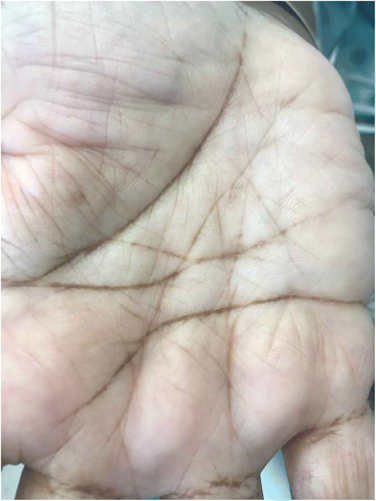
Pallor with scaly skin.
Body mass index 23.
The Correct Answer is C
The correct answer is choice C. Pallor with scaly skin.
Choice A rationale:
"Heart rate 89/min." Heart rate within the range of 60-100 beats per minute is generally considered normal for adults at rest. This value doesn't specifically indicate malnourishment.
Choice B rationale:
"Pink mucous membranes." Pink mucous membranes indicate adequate oxygenation and hydration but don't necessarily reflect nutritional status or malnourishment.
Choice C rationale:
"Pallor with scaly skin." Pallor (pale skin) along with scaly skin can be indicative of malnourishment. Malnourished individuals may not receive adequate n
Choice D rationale:
"Body mass index 23." A body mass index (BMI) of 23 falls within the normal range (18.5-24.9), so it doesn't necessarily indicate malnourishment. However, BMI alone may not fully capture malnourishment, as it doesn't consider other factors like muscle mass and specific nutrient deficiencies.
Nursing Test Bank
Naxlex Comprehensive Predictor Exams
Related Questions
Correct Answer is B
Explanation
The correct answer is choice B: Ask the client what they already know about meal planning.
Choice A rationale:
Using pictures of different food groups can be helpful in teaching about carbohydrate counting, but it's important to assess the client's current knowledge and understanding before introducing new information. Starting with this approach might overwhelm the client or duplicate information they already possess.
Choice B rationale:
This is the correct choice. Before providing education, it's crucial to assess the client's baseline knowledge. By asking the client what they already know about meal planning, the nurse can tailor the teaching plan to fill in any gaps and avoid presenting redundant information. This approach respects the client's current understanding and focuses on addressing their specific needs.
Choice C rationale:
Giving the client a brochure with sample menus can be helpful once the nurse has assessed the client's knowledge and educational needs. However, providing the brochure as the first action might not be effective if the client already has some understanding of meal planning or if the brochure does not address the client's specific questions.
Choice D rationale:
Involving the family in the discussion of the client's meal plan is important for long-term support, but it shouldn't be the first action. First, the nurse should ensure that the client's own understanding and preferences are addressed before considering input from family members.
Correct Answer is C
Explanation
The correct answer is choice C: A physical therapist who is involved in the client's care.
Choice A rationale:
Disclosing health information to an insurance agency offering a life insurance policy typically requires the client's written permission due to the sensitive nature of the information being shared, including medical history and conditions.
Choice B rationale:
Revealing a client's diagnosis to a family member without written consent would violate the client's privacy rights. Health information is protected by privacy laws, and disclosure should only occur with the client's explicit permission.
Choice C rationale:
This is the correct entity to whom health information can be disclosed without the client's written permission. Health professionals who are actively involved in the client's care, such as a physical therapist, are considered part of the healthcare team and may need access to relevant health information for proper treatment.
Choice D rationale:
Disclosing health information to an employer completing a pre-employment screening generally requires the client's consent, as pre-employment screenings often involve sharing medical information that could impact the employment decision.
Whether you are a student looking to ace your exams or a practicing nurse seeking to enhance your expertise , our nursing education contents will empower you with the confidence and competence to make a difference in the lives of patients and become a respected leader in the healthcare field.
Visit Naxlex, invest in your future and unlock endless possibilities with our unparalleled nursing education contents today