
A nurse is assisting with the plan of care for a client who has osteoarthritis. The client reports knee pain that worsens with activity. Which of the following interventions should the nurse include in the plan of care?
Delay ambulation until the next day.
Apply moist heat prior to ambulation.
Use a continuous passive motion machine.
Restrict intake of dairy products.
The Correct Answer is B
Choice A reason: Delaying ambulation until the next day is not an appropriate intervention, as it can cause stiffness, muscle weakness, or joint contractures in the affected knee. The nurse should encourage regular exercise and activity within the client's tolerance level to maintain joint mobility and function.
Choice B reason: Applying moist heat prior to ambulation is an appropriate intervention, as it can reduce pain and inflammation in the affected knee by increasing blood flow and relaxing the muscles and tendons around the joint.
Choice C reason: Using a continuous passive motion machine is not an appropriate intervention for osteoarthritis, as it is mainly used after knee replacement surgery to prevent scar tissue formation and improve range of motion in the new joint.
Choice D reason: Restricting intake of dairy products is not an appropriate intervention for osteoarthritis, as dairy products are good sources of calcium and vitamin D that can support bone health and prevent osteoporosis. The nurse should advise the client to eat a balanced diet that includes fruits, vegetables, whole grains, lean protein, and low-fat dairy products.
Nursing Test Bank
Naxlex Comprehensive Predictor Exams
Related Questions
Correct Answer is C
Explanation
Choice A reason: Taking the medication right before eating breakfast is not an appropriate instruction, as it can reduce the absorption and effectiveness of alendronate, which is a bisphosphonate drug that inhibits bone resorption and increases bone density. The client should take the medication at least 30 min before eating or drinking anything other than water.
Choice B reason: Drinking milk with the medication is not an appropriate instruction, as it can interfere with the absorption and effectiveness of alendronate, which can bind to calcium and other minerals and form insoluble complexes that are excreted in feces. The client should avoid consuming dairy products or supplements that contain calcium, iron, magnesium, or aluminum for at least 30 min after taking the medication.
Choice C reason: Staying upright for 30 to 60 min after taking the medication is an appropriate instruction, as it can prevent esophageal irritation or ulceration that can be caused by alendronate, which can be corrosive to the mucosa if it remains in contact with it for too long. The client should not lie down or bend over until after their first food of the day.
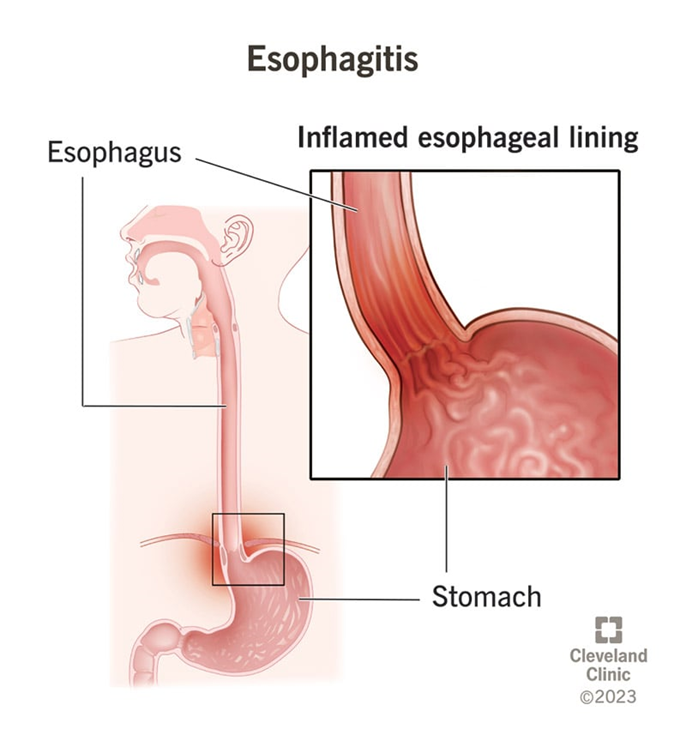
Choice D reason: Chewing the tablets thoroughly is not an appropriate instruction, as it can increase the risk of esophageal irritation or ulceration that can be caused by alendronate, which can be abrasive to the mucosa if it is not swallowed whole with a full glass of water. The client should not crush, break, or dissolve the tablets in any liquid.
Correct Answer is C
Explanation
Choice A reason: WBC count 10,000/mm³ is within the normal range of 4,500 to 11,000/mm³ and does not indicate any infection or inflammation.
Choice B reason: BUN 20 mg/dL is within the normal range of 10 to 20 mg/dL and does not indicate any renal impairment or dehydration.
Choice C reason: Creatinine 2.3 mg/dL is above the normal range of 0.6 to 1.2 mg/dL and indicates renal dysfunction or damage, which can be caused by blood loss, hypotension, or nephrotoxic drugs during surgery. The nurse should report this value to the provider and monitor the client for signs of acute kidney injury, such as oliguria, edema, or electrolyte imbalances.

Choice D reason: Hematocrit 41% is within the normal range of 37% to 47% for females and does not indicate any anemia or polycythemia.
Whether you are a student looking to ace your exams or a practicing nurse seeking to enhance your expertise , our nursing education contents will empower you with the confidence and competence to make a difference in the lives of patients and become a respected leader in the healthcare field.
Visit Naxlex, invest in your future and unlock endless possibilities with our unparalleled nursing education contents today