
A nurse is caring for a 2-year-old child who has Clostridium difficile.
Which of the following actions should the nurse take?
Use an N95 respirator.
Instruct the parents to avoid bringing fresh flowers into the room.
Initiate contact precautions.
Place the child in a room that has a HEPA filtration system.
The Correct Answer is C
Explanation
C. Initiate contact precautions
Clostridium difficile is a bacterium that causes diarrhea and can be easily transmitted from person to person. Contact precautions are necessary to prevent the spread of the infection. This includes wearing gloves and a gown when providing direct care to the child, ensuring proper hand hygiene, and implementing proper disinfection protocols for the environment.
The other options are not necessary or specific to the care of a child with Clostridium difficile:
Using an N95 respirator in (option A) is not necessary for the care of a child with Clostridium difficile. Respirators are typically used for airborne precautions, which are not indicated for this specific infection.
Instructing the parents to avoid bringing fresh flowers into the room in (option)is not specific to the care of a child with Clostridium difficile. While it is generally recommended to minimize potential sources of contamination in healthcare settings, this particular instruction is not specific to this infection.
Placing the child in a room with a HEPA filtration system in (option D) is not necessary for the care of a child with Clostridium difficile. HEPA filtration systems are typically used for airborne precautions, which are not indicated for this specific infection.
Nursing Test Bank
Naxlex Comprehensive Predictor Exams
Related Questions
Correct Answer is B
Explanation
The AIMS is specifically designed to assess for the presence and severity of abnormal involuntary movements, which can be a side effect of long-term antipsychotic medication use, including tardive dyskinesia. It consists of a series of standardized movements and observations that assess different body regions for abnormal movements. The nurse can use this tool to monitor the client's movements and identify any signs of tardive dyskinesia.
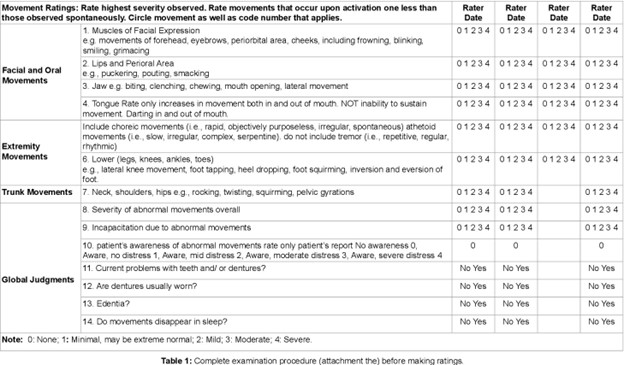
Mental Status Examination (MSE): The MSE is a comprehensive assessment of a client's mental status, including their cognition, mood, and thought processes. While the MSE is an important tool in assessing overall mental health, it is not specific to tardive dyskinesia. Patient Health Questionnaire-9 (PHQ-9): The PHQ-9 is a screening tool for depression that assesses the severity of depressive symptoms. While depression can be a comorbidity in individuals with schizophrenia, the PHQ-9 does not directly assess for tardive dyskinesia. Brief Psychiatric Rating Scale (BPRS): The BPRS is a rating scale used to assess the severity of psychiatric symptoms in individuals with mental disorders. While it is useful in evaluating overall symptomatology in schizophrenia, it does not specifically target tardive dyskinesia.
Correct Answer is A
Explanation
Understanding the client's current voiding pattern is essential in developing an effective bladder training program. By determining the client's pattern for voiding, the nurse can identify any irregularities, frequency, and specific times when the client is more likely to void. This information will serve as a baseline for developing an individualized bladder training program. Offering toileting opportunities every 1 to 2 hours is an appropriate intervention to ensure regular and scheduled voiding. However, before implementing this intervention, it is necessary to determine the client's current voiding pattern to identify any existing irregularities or potential areas of improvement.
Assisting the client with relaxation techniques can help promote effective voiding and reduce anxiety or stress related to the act of voiding. However, this intervention can be more effective once the nurse has assessed the client's voiding pattern and identified specific areas where relaxation techniques can be beneficial.
Discouraging intake of carbonated beverages is a valid intervention as carbonated beverages can irritate the bladder and contribute to increased frequency and urgency of urination. However, this intervention can be implemented as part of a comprehensive bladder training program after the nurse has assessed the client's current voiding pattern and developed an individualized plan.
Whether you are a student looking to ace your exams or a practicing nurse seeking to enhance your expertise , our nursing education contents will empower you with the confidence and competence to make a difference in the lives of patients and become a respected leader in the healthcare field.
Visit Naxlex, invest in your future and unlock endless possibilities with our unparalleled nursing education contents today