
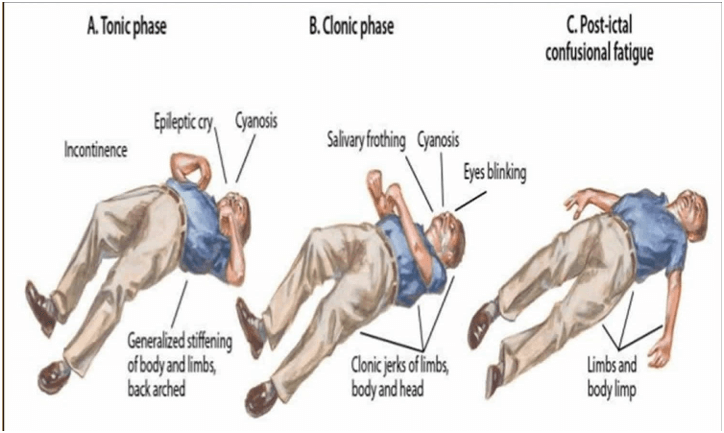
A nurse is caring for a 3-year-old child immediately following a tonic-clonic seizure.
Which of the following actions should the nurse take?
Offer the child sips of clear fluids.
Place the child in a supine position.
Administer an oral antiepileptic medication.
Check the child for oral injuries.
None
None
The Correct Answer is D
After a tonic-clonic seizure, the nurse should first check the child for any injuries, particularly in the oral cavity. This is because during a seizure, the child's tongue may have been biten, or there may be other oral injuries. Therefore, it is essential to check the oral cavity for any injury or bleeding.
Nursing Test Bank
Naxlex Comprehensive Predictor Exams
Related Questions
Correct Answer is C
Explanation
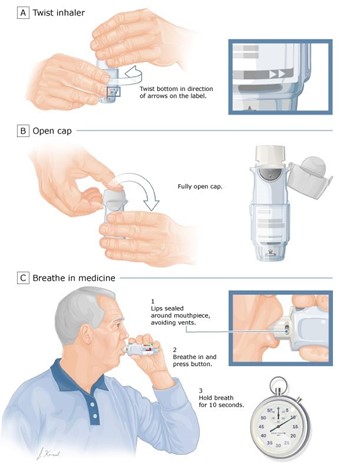
Albuterol is a bronchodilator medication that is commonly delivered through a metered-dose inhaler (MDI) to treat asthma and other respiratory conditions. Proper inhaler technique is crucial for the effective delivery of the medication to the lungs.
Option (a) is incorrect because the client should actually tilt their head back slightly and breathe out fully before inhaling the medication.
Option (b) is incorrect because the client should take a slow, deep breath while depressing the canister once.
Option (d) is incorrect because the client should hold their breath for 10 seconds after inhaling the medication to allow it to reach the lungs.
Therefore, the correct instruction for the nurse to include in the teaching is to instruct the client to close their mouth around the mouthpiece of the inhaler to ensure that the medication is delivered directly to the lungs.
Correct Answer is D
Explanation
Varicella zoster, also known as chickenpox, is a highly contagious viral infection that can be spread through contact with respiratory secretions or fluid from the vesicular rash.
Contact precautions include wearing gloves and gown when in contact with the client or any potentially contaminated surfaces or materials, and isolating the client in a private room if possible.
Assigning the client to a negative pressure airflow room is not necessary unless the client has a compromised immune system or is experiencing severe respiratory symptoms.
Having visitors remain at least 0.91 m (3 feet) away from the client is not sufficient to prevent the spread of the virus.
Administering aspirin to a client with varicella zoster is contraindicated because it can increase the risk of developing Reye's syndrome, a potentially fatal condition.
Whether you are a student looking to ace your exams or a practicing nurse seeking to enhance your expertise , our nursing education contents will empower you with the confidence and competence to make a difference in the lives of patients and become a respected leader in the healthcare field.
Visit Naxlex, invest in your future and unlock endless possibilities with our unparalleled nursing education contents today