
A nurse is caring for a 5-year-old child in the acute care setting.
Click to highlight the assessment findings which require additional action by the nurse? To deselect a finding, click on the finding again.
1600
Child remains in bed. Child uncooperative and agitated, Refusing PO fluids. Child reports chest pain and joint pain as a 4 on the Faces Scale. Nasal flaring and moderate subcostal and substernal retractions are noted. Bilateral, moderate inspiratory and expiratory wheezes noted upon auscultation. Voided 200 mL of clear yellow urine
Child reports chest pain and joint pain as a 4 on the Faces Scale.
Nasal flaring and moderate subcostal and substernal retractions are noted.
Bilateral
moderate inspiratory and expiratory wheezes noted upon auscultation.
The Correct Answer is ["A","B","C","D"]
These findings indicate that the child is experiencing significant pain, which is concerning, especially considering the history of sickle cell anemia and the recent increase in pain despite previous management with acetaminophen. Chest pain could also be indicative of a vaso-occlusive crisis or a respiratory complication.
Nasal flaring and moderate subcostal and substernal retractions are noted:
Nasal flaring and retractions suggest increased work of breathing, which could indicate respiratory distress. In a child with sickle cell anemia, respiratory complications like acute chest syndrome are a significant concern during a vaso-occlusive crisis.
Bilateral, moderate inspiratory and expiratory wheezes noted upon auscultation:
Wheezing indicates airway obstruction or inflammation, which could be due to asthma exacerbation, infection, or acute chest syndrome, all of which are common complications in children with sickle cell disease.
Nursing Test Bank
Naxlex Comprehensive Predictor Exams
Related Questions
Correct Answer is D
Explanation
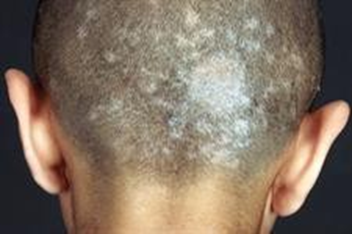
A. Pediculosis capitis, commonly known as head lice, is characterized by the presence of live lice and nits (lice eggs) attached to the hair shaft close to the scalp. They do not typically cause a rash on the back of the neck.
B. Impetigo is a bacterial skin infection characterized by red sores or blisters that rupture and form honey-colored crusts. It commonly affects areas of the body with broken skin, such as the face, hands, and arms.
C. Folliculitis is inflammation or infection of the hair follicles caused by bacteria or fungi. It can result in red, swollen, and pus-filled bumps around hair follicles.
D. Tinea capitis is a fungal infection of the scalp and hair follicles. It is characterized by the presence of white or grayish flakes that adhere to the hair shafts and cannot be easily brushed off, along with a rash or scaly patch on the scalp. The rash may extend to the back of the neck.
Correct Answer is C
Explanation
A. This is a common symptom but bot a sign in children with otitis media. They may tug or pull at their ears due to discomfort or pain caused by the infection.
B. Manipulating the ear lobe can cause pain in children with otitis media because the infection often leads to inflammation and sensitivity in the ear area. This is, however, a symptom.
C. Erythema and edema are typical signs of inflammation, which can occur in the ear with otitis media.
D. While otitis media can cause some fluid buildup in the middle ear, clear drainage is not a common finding and may suggest another condition such as ear canal infection (otitis externa) or a perforated eardrum. Otitis media typically involves more purulent (pus-like) or cloudy fluid due to the infection.
Whether you are a student looking to ace your exams or a practicing nurse seeking to enhance your expertise , our nursing education contents will empower you with the confidence and competence to make a difference in the lives of patients and become a respected leader in the healthcare field.
Visit Naxlex, invest in your future and unlock endless possibilities with our unparalleled nursing education contents today