
A nurse is caring for a 5-year-old child who has nephrotic syndrome. Which of the following findings should indicate to the nurse that treatment has been effective?
Odorless urine
No report of pain with voiding
Urine output 256 mL over 8 hr
Temperature 37.2° C (99° F)
The Correct Answer is C
Rationale:
A. Odorless urine may be an indicator of improved hydration status but does not directly reflect the effectiveness of treatment for nephrotic syndrome.
B. Absence of pain with voiding may indicate resolution of urinary tract symptoms but is not a specific indicator of treatment effectiveness for nephrotic syndrome.
C. Increased urine output indicates improved renal function, which is a primary goal of treatment for nephrotic syndrome, making this the most appropriate indicator of treatment effectiveness.
D. Temperature within normal range is not a direct indicator of treatment effectiveness for nephrotic syndrome.
Nursing Test Bank
Naxlex Comprehensive Predictor Exams
Related Questions
Correct Answer is A
Explanation
Rationale:
A. A child with cystic fibrosis needs a high-calorie diet to meet their nutritional needs and prevent malnutrition.
B. Sweat chloride testing is used to diagnose cystic fibrosis, not to monitor its progression.
C. Chewing pancrelipase medication before eating is incorrect. Pancrelipase should be swallowed whole with meals to aid in digestion.
D. Administering dornase alfa every 4 hours for wheezing is not appropriate. Dornase alfa is typically used for cystic fibrosis to help thin mucus and improve lung function, but it is not indicated for wheezing, and the dosing frequency provided is incorrect.
Correct Answer is C
Explanation
Rationale:
A. Missing front deciduous teeth are a common occurrence during childhood and are not necessarily indicative of physical abuse.
B. Weight in the 45th percentile is within the normal range for a 7-year-old and does not indicate physical abuse.
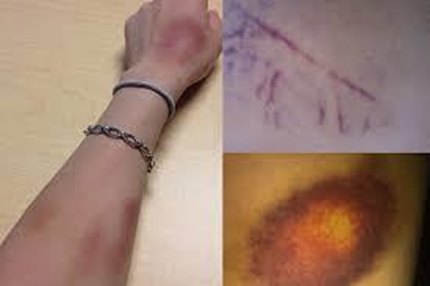
C. Bruising around the wrists can be a sign of physical abuse, especially if it appears in patterns consistent with being restrained.
D. Abrasions on the knees are common in children who are active and are not necessarily indicative of physical abuse.
Whether you are a student looking to ace your exams or a practicing nurse seeking to enhance your expertise , our nursing education contents will empower you with the confidence and competence to make a difference in the lives of patients and become a respected leader in the healthcare field.
Visit Naxlex, invest in your future and unlock endless possibilities with our unparalleled nursing education contents today