
A nurse is reviewing the laboratory data of a client who is receiving filgrastim. Which of the following laboratory values should the nurse monitor to evaluate the effectiveness of the treatment?
INR
BUN
WBC count
Potassium level
The Correct Answer is C
Choice A Reason:
INR (International Normalized Ratio) is incorrect. INR is a measurement used to monitor the effects of anticoagulants like warfarin. It assesses the blood's ability to clot. Filgrastim does not directly affect INR levels, so monitoring INR would not provide information about the effectiveness of filgrastim in stimulating white blood cell production.
Choice B Reason:
BUN (Blood Urea Nitrogen) is incorrect. BUN levels primarily indicate kidney function and hydration status. They are not directly influenced by filgrastim treatment. Monitoring BUN is essential for assessing kidney function but does not reflect the effectiveness of filgrastim therapy in increasing white blood cell counts.
Choice C Reason:
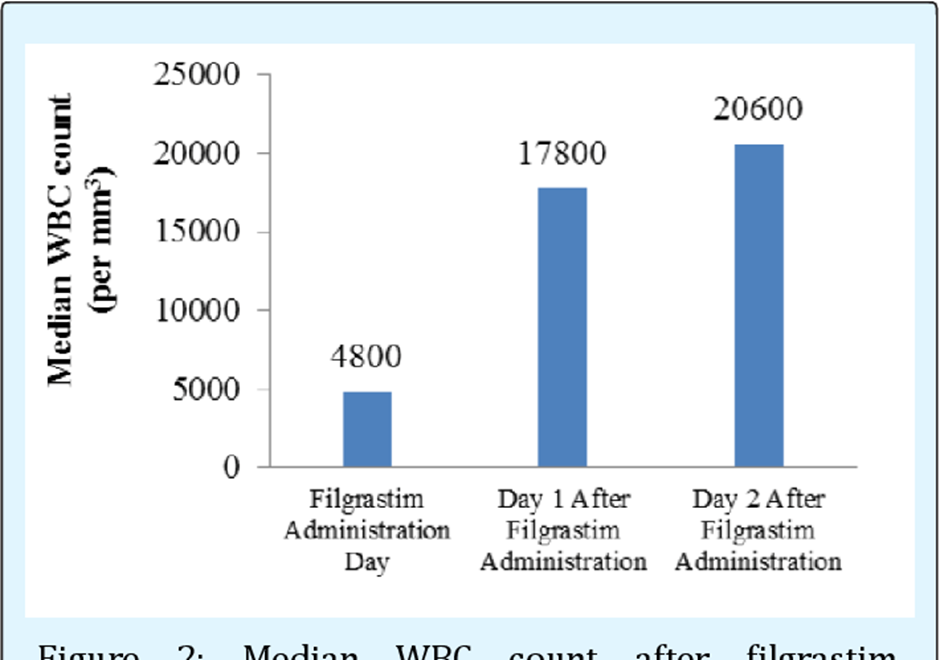
WBC count is correct. Filgrastim is a medication that stimulates the production of white blood cells (WBCs), particularly neutrophils. Therefore, the key laboratory value to monitor for assessing the effectiveness of filgrastim therapy is the WBC count. An increase in the WBC count, particularly in the neutrophil count, signifies the intended therapeutic effect of filgrastim in boosting the immune system's response by increasing the production of these infection-fighting cells.
Choice D Reason:
Potassium level is incorrect. Potassium levels are crucial for heart and muscle function. While certain medications might affect potassium levels, filgrastim's primary action is on stimulating white blood cell production and does not directly impact potassium levels. Monitoring potassium levels is essential for overall health but does not specifically indicate the effectiveness of filgrastim treatment.
Nursing Test Bank
Naxlex Comprehensive Predictor Exams
Related Questions
Correct Answer is B
Explanation
Choice A Reason:
Sodium 141 mEq/L is incorrect. This value is within the normal range (usually around 135-145 mEq/L).
Choice B Reason:
Potassium 2.5 mEq/ is correct. Furosemide, a loop diuretic, can lead to potassium loss through increased urine output. If a client already has a low potassium level (hypokalemia), administering furosemide can further decrease potassium levels, potentially causing or worsening hypokalemia. Hypokalemia can lead to various complications, including cardiac arrhythmias.
Choice C Reason:
WBC count 8,000/mm3 is incorrect. This value falls within the normal range for white blood cell count.
Choice D Reason:
INR 1.0: An INR of 1.0 is within the normal range for a person not on anticoagulation therapy.

Correct Answer is D
Explanation
Choice A Reason:
Hct 44% is incorrect. A hematocrit (Hct) level of 44% falls within the normal range for most adults. It represents the proportion of red blood cells in the blood and is not typically concerning unless it significantly deviates from the normal range, indicating anemia or polycythemia.
Choice B Reason:
WBC count 5,000/mm3 is incorrect. A white blood cell (WBC) count of 5,000/mm3 falls within the normal range for adults, reflecting a normal immune response. There's usually no cause for immediate concern unless there are specific clinical symptoms or significant deviations from the normal range.
Choice C Reason:
Potassium 4.2 mEq/L is incorrect. A potassium level of 4.2 mEq/L is within the normal range for serum potassium levels. It's crucial to monitor potassium levels, especially with medications that can affect electrolyte balance, but this value falls within the typical range and may not prompt immediate action unless there are notable fluctuations or clinical symptoms related to potassium imbalance.
While the majority of the laboratory values provided fall within the normal range, the value that the nurse should consider reporting to the provider, particularly when a client is taking amitriptyline, is:
Choice D Reason:
Total bilirubin 1.5 mg/dL is correct. Elevated levels of total bilirubin might indicate potential liver function impairment. Amitriptyline, an antidepressant, can affect liver enzymes in some individuals, causing hepatic changes. Therefore, it's crucial to monitor liver function tests, including total bilirubin, during amitriptyline therapy. An increase in bilirubin levels could signal hepatotoxicity or liver dysfunction related to the medication.
Whether you are a student looking to ace your exams or a practicing nurse seeking to enhance your expertise , our nursing education contents will empower you with the confidence and competence to make a difference in the lives of patients and become a respected leader in the healthcare field.
Visit Naxlex, invest in your future and unlock endless possibilities with our unparalleled nursing education contents today