
A nurse is caring for a client who has a prescription for warfarin. Which of the following laboratory tests should the nurse monitor?
Triiodothyronine
Blood urea nitrogen
Arterial blood gases
Prothrombin time
The Correct Answer is D
Warfarin is an anticoagulant medication that works by inhibiting the synthesis of vitamin K-dependent clotting factors in the liver. Therefore, it is important to monitor the client's clotting ability to ensure that the medication is working properly and not causing any adverse effects. The laboratory test that is used to monitor warfarin therapy is the prothrombin time (PT), which measures the time it takes for the blood to clot. The nurse should monitor the client's PT regularly and adjust the dosage of warfarin as necessary to maintain the therapeutic range. Option a (Triiodothyronine) is a thyroid hormone and is not directly related to warfarin therapy. Option b (Blood urea nitrogen) is a measure of kidney function and is also not directly related to warfarin therapy. Option c (Arterial blood gases) is a measure of oxygen and carbon dioxide levels in the blood and is not related to warfarin therapy.

Nursing Test Bank
Naxlex Comprehensive Predictor Exams
Related Questions
Correct Answer is D
Explanation
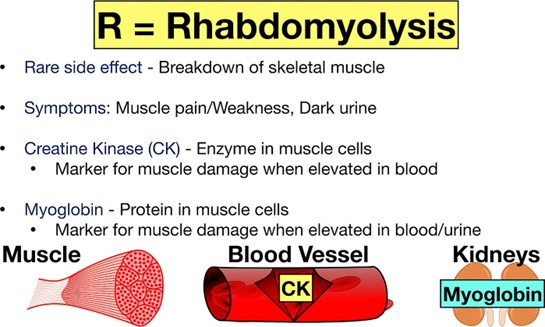
Atorvastatin is a medication used to lower cholesterol levels in the blood. One of the potential adverse effects of atorvastatin is myopathy, a condition characterized by muscle pain, weakness, and tenderness. In severe cases, myopathy can progress to rhabdomyolysis, a potentially life-threatening condition in which muscle breakdown products are released into the bloodstream and can cause kidney damage.
Therefore, the nurse should instruct the client to monitor for muscle pain, weakness, or tenderness and report these symptoms to the healthcare provider immediately. Hypoglycemia, palpitations, and daytime drowsiness are not commonly associated with atorvastatin use and would not require immediate reporting to the healthcare provider.
Correct Answer is D
Explanation
A.Using hydrogen peroxide for wound cleaning is not recommended as it can cause tissue damage and delay healing.
B.Burn dressings should typically be changed more frequently, often at least once per day, depending on the type and severity of the burn and the type of dressing used.Delaying dressing changes could increase the risk of infection.
C.In wound care, the nurse should cleanse the least contaminated wounds first to prevent spreading microorganisms from more contaminated areas to cleaner areas. This reduces the risk of cross-contamination and infection. For burns, starting with the cleanest areas ensures a safer wound management process.
D.Applying dressings with sterile gloves is essential to maintain a sterile environment and reduce the risk of infection, especially in clients with burns who are at high risk for infection due to compromised skin integrity.
Whether you are a student looking to ace your exams or a practicing nurse seeking to enhance your expertise , our nursing education contents will empower you with the confidence and competence to make a difference in the lives of patients and become a respected leader in the healthcare field.
Visit Naxlex, invest in your future and unlock endless possibilities with our unparalleled nursing education contents today