
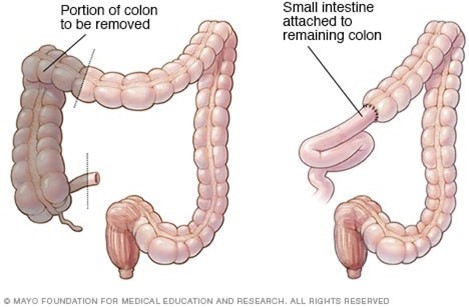
A nurse is caring for a client who is postoperative following a hemicolectomy. Which of the following is a subjective indication that the client needs PRN pain medication?
The client's heart rate is 110/min.
The client is guarding their abdominal incision.
The client exhibits facial grimacing.
The client reports pain.
The Correct Answer is D
The subjective indication that the client needs PRN (as needed) pain medication is when the client reports pain. Pain is a subjective experience, and it is essential to address the client's self-reported pain level and provide appropriate pain management.
Explanation for the other options:
a) The client's heart rate is 110/min: An increased heart rate can be an objective indication of pain, but it is not a subjective indication. Subjective indications are based on the client's self-report or personal experiences.
b) The client is guarding their abdominal incision: Guarding the abdominal incision may suggest discomfort or pain, but it is an objective indication that can be observed by the nurse. Subjective indications focus on the client's self-report.
c) The client exhibits facial grimacing: Facial grimacing can be an objective indication of pain, but it is not a subjective indication. Again, subjective indications are based on the client's self-report or personal experiences.
In this scenario, the most reliable and appropriate indication for administering PRN pain medication is when the client reports pain, as this acknowledges the client's own perception of their pain level.
Nursing Test Bank
Naxlex Comprehensive Predictor Exams
Related Questions
Correct Answer is B
Explanation
Answer: B. Elevated skin patches
Rationale:
A. Constipation:
Constipation is not a typical adverse effect of cefazolin. Antibiotics generally cause gastrointestinal symptoms like diarrhea rather than constipation, so this is not a primary concern with cefazolin therapy.
B. Elevated skin patches:
Elevated skin patches may indicate an allergic reaction, such as hives or a rash, which can be a serious side effect of cefazolin. Allergic reactions to antibiotics can escalate quickly and may require immediate medical attention. Monitoring for and reporting any skin changes is important to prevent potential complications.
C. Ringing in the ears:
Tinnitus (ringing in the ears) is not commonly associated with cefazolin. This symptom is more frequently associated with certain other antibiotics, such as aminoglycosides, but is not a primary concern with cefazolin use.
D. Depression:
Depression is not a known side effect of cefazolin. While mood changes may be seen with some medications, cefazolin’s primary side effects are related to hypersensitivity reactions and gastrointestinal symptoms.
Correct Answer is C
Explanation
c. The toddler can say four words.
Explanation:
The nurse should report to the provider that the toddler can say four words. At 18 months, a toddler typically has a vocabulary of about 6 to 20 words and is beginning to combine words into simple phrases. If the toddler is only able to say four words or has a delay in language development, it could be a cause for concern and warrant further evaluation.
The other options are age-appropriate developmental milestones for an 18-month-old toddler and do not require immediate reporting to the provider. The ability to remove socks, having a security blanket, and throwing a ball without falling are all examples of normal developmental skills for a toddler of this age.
Whether you are a student looking to ace your exams or a practicing nurse seeking to enhance your expertise , our nursing education contents will empower you with the confidence and competence to make a difference in the lives of patients and become a respected leader in the healthcare field.
Visit Naxlex, invest in your future and unlock endless possibilities with our unparalleled nursing education contents today