
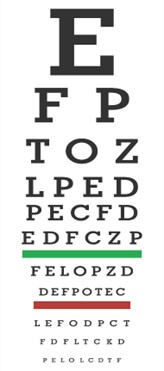
A nurse is assessing the visual acuity of a client who wears glasses using a Snellen chart. Which of the following actions should the nurse take?
Position the client 3 meters (10 feet) away from the chart
Document the largest line the client can read on the chart
Instruct the client to begin the assessment with both eyes open
Begin by testing the client while they are wearing glasses
The Correct Answer is D
To test visual acuity using a Snellen chart, the nurse should have the patient wear glasses or contact lenses if they normally wear them . The patient should stand 20 feet from the chart . The nurse should tell the patient to first cover the right eye, then left eye, and lastly read the chart with both eyes .
The other options are not correct because:
a). The client should be positioned 20 feet away from the chart, not 3 meters (10 feet).
b) The nurse should document the smallest line the client can read accurately on the chart, not the largest line.
c) The nurse should instruct the client to begin the assessment by covering one eye and reading aloud the letters on the chart, beginning at the top and moving toward the bottom
Nursing Test Bank
Naxlex Comprehensive Predictor Exams
Related Questions
Correct Answer is B
Explanation
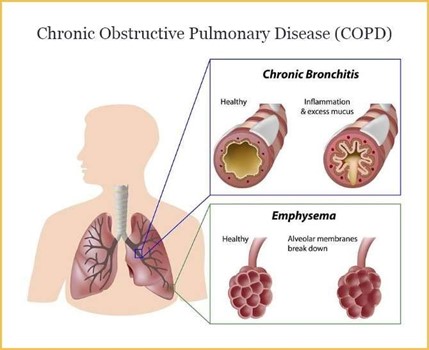
The nurse should atend to the client who has COPD and dementia and was agitated during the night shift first. This client may be experiencing respiratory distress or other complications related to their COPD and requires immediate assessment and intervention.
a) A client who has heart failure and is incontinent of urine requires atention, but their needs are not as urgent as those of the client with COPD and agitation.
c) A client who had a hip arthroplasty 10 days ago and reports pain with ambulation requires atention, but their needs are not as urgent as those of the client with COPD and agitation.
d) A client who had a cerebrovascular accident 6 months ago and reports constipation requires attention, but their needs are not as urgent as those of the client with COPD and agitation.
Correct Answer is A
Explanation
Answer: A. Potassium
Rationale:
A) Potassium:
Furosemide is a loop diuretic that can cause significant potassium loss through increased urine output. Monitoring potassium levels is crucial to prevent hypokalemia, which can lead to serious cardiac arrhythmias and muscle weakness. Ensuring potassium levels remain within a normal range helps maintain the infant's overall health and safety while on this medication.
B) WBC Count:
While it is important to monitor WBC count in various clinical situations, furosemide does not typically affect white blood cell levels. Therefore, monitoring WBC count is not specifically indicated for infants receiving furosemide unless there is another underlying condition that requires it.
C) Iron:
Iron levels are not typically affected by furosemide. Monitoring iron levels would be more relevant in cases of anemia or other hematologic conditions. Furosemide does not interfere with iron metabolism, so this test is not a priority for infants on this medication.
D) Amylase:
Amylase is an enzyme related to the pancreas and is typically monitored in conditions such as pancreatitis. Furosemide does not have a direct effect on amylase levels, so monitoring this enzyme is not necessary for infants receiving this diuretic. The focus should be on electrolytes, particularly potassium.
Whether you are a student looking to ace your exams or a practicing nurse seeking to enhance your expertise , our nursing education contents will empower you with the confidence and competence to make a difference in the lives of patients and become a respected leader in the healthcare field.
Visit Naxlex, invest in your future and unlock endless possibilities with our unparalleled nursing education contents today