
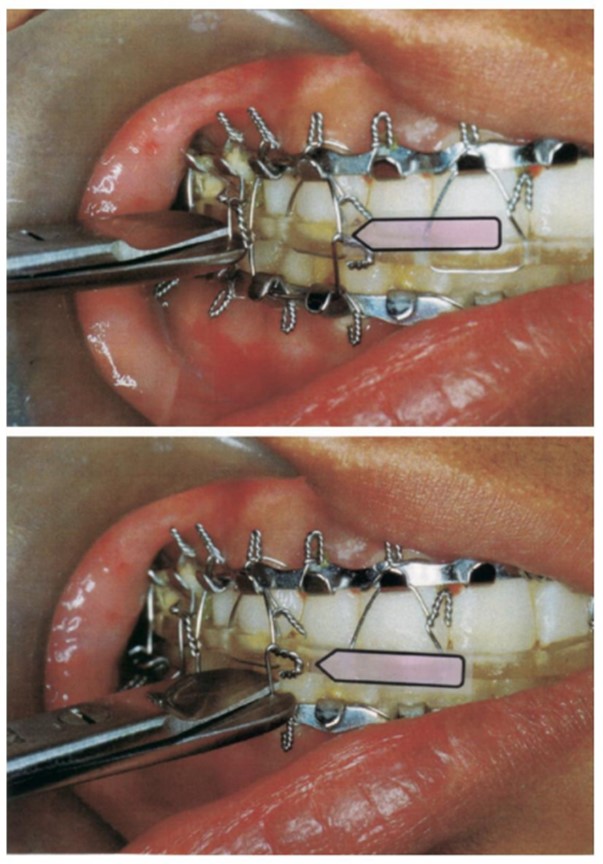
A nurse is caring for a client who is postoperative following an intermaxillary fixation as a result of multiple facial fractures. Which of the following types of equipment should the nurse plan to have at the client's bedside?
IV infusion pump
Wire cutters
NG tube
Urinary catheter tray
The Correct Answer is B
A. An IV infusion pump may be needed for intravenous therapy but is not specific to postoperative care following intermaxillary fixation.
B. This option is correct. Wire cutters are essential equipment in case of an emergency that requires the removal of the fixation wires.
C. An NG tube may be necessary for nutritional support, but it is not directly related to postoperative care following intermaxillary fixation.
D. A urinary catheter tray is not specific to postoperative care following intermaxillary fixation and may not be a priority in this situation.
Nursing Test Bank
Naxlex Comprehensive Predictor Exams
Related Questions
Correct Answer is ["B","C","D"]
Explanation
A. Position weights against the foot of the bed: Incorrect. Weights in Buck's traction are typically hung freely over the end of the bed to provide the necessary countertraction. Placing them against the foot of the bed would not serve this purpose.
B. Examine the skin under the traction splint: Correct. It's important to regularly assess the skin underneath the traction splint to ensure there are no signs of pressure ulcers or skin breakdown.
C. Monitor peripheral pulses in the affected extremity: Correct. This is essential to ensure that blood flow to the extremity is not compromised by the traction.
D. Assess the temperature of the affected extremity: Correct. Monitoring the temperature helps in identifying any signs of impaired circulation.
E. Adjust the prescribed weights every shift: This is not something that should be done without specific orders from the healthcare provider. Adjusting the weights should be done based on the specific plan of care and provider's instructions.
Correct Answer is C
Explanation
A. Looseness of the stump dressing may indicate the need for adjustment, but it is not a complication in itself.
B. The dressing forming a cone shape over the stump is a not sign of complications.
C. Pitting edema around the stump dressing may indicate swelling, which is common after an amputation. It is important to monitor for excessive edema as it is a sign of potential complication.
D. Figure-eight wrapping around the stump is a technique used to provide even pressure and support, helping to prevent edema and promote healing. It is not a complication.
Whether you are a student looking to ace your exams or a practicing nurse seeking to enhance your expertise , our nursing education contents will empower you with the confidence and competence to make a difference in the lives of patients and become a respected leader in the healthcare field.
Visit Naxlex, invest in your future and unlock endless possibilities with our unparalleled nursing education contents today