
A nurse is caring for a client who was admitted for observation following a head injury. Which of the following findings by the nurse indicates the client is experiencing increased intracranial pressure?
Pin-point pupils
Irritability
Pallor
Decreased blood pressure
The Correct Answer is B
A. Pinpoint pupils are more commonly associated with opioid intoxication or damage to the pons rather than increased intracranial pressure (ICP). Increased ICP typically causes pupils to become dilated and sluggish or nonreactive to light
B. Irritability can be an early sign of increased intracranial pressure. As pressure within the skull rises, it can affect the brain's ability to function normally, leading to changes in behavior such as restlessness, agitation, or irritability.
C. Pallor is not directly associated with increased intracranial pressure. It might indicate other issues such as anemia or poor circulation, but it is not a specific sign of increased ICP.
D. Increased intracranial pressure typically leads to hypertension (increased blood pressure) as part of the Cushing's triad, which includes hypertension, bradycardia, and irregular respirations. Decreased blood pressure would not be a typical finding associated with increased ICP.
Nursing Test Bank
Naxlex Comprehensive Predictor Exams
Related Questions
Correct Answer is C
Explanation
Explanation:
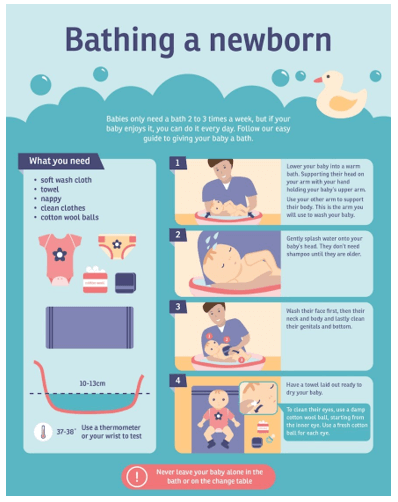
Sponge baths are recommended until the umbilical cord stump falls off, which typically occurs within the first two weeks of life. After that, the baby can be immersed in water for a regular bath.
Using talcum powder is not recommended as it can be harmful to the baby's respiratory system if inhaled. Mild, pH-balanced soap should be used instead of alkaline soap to avoid irritating the baby's delicate skin.
The bathwater temperature should be around 98 degrees Fahrenheit and not hoter than 100 degrees Fahrenheit to prevent burns.
Correct Answer is A
Explanation
Radiation therapy can cause increased sensitivity and dryness in the skin. Exposing the neck to cold temperatures may exacerbate these symptoms and potentially lead to discomfort or skin damage. Encourage the client to keep the neck covered and warm, especially when going outside in cold weather.
While proper nutrition is important during radiation therapy, the specific instruction to eat three large meals each day is not necessarily applicable or beneficial. It is generally recommended to have a balanced and nutritious diet, which may include smaller, frequent meals or snacks if the client's appetite is affected.
During radiation therapy, the skin in the treatment area can become sensitive and prone to irritation. Rubbing the neck vigorously with a washcloth can further irritate the skin. Instead, advise the client to gently cleanse the neck using a mild, non-irritating soap and patting the skin dry with a soft towel.
While radiation therapy can cause certain side effects, such as dry mouth or difficulty swallowing, it is generally not necessary to restrict fluid intake unless specifically advised by the healthcare provider. Adequate hydration is important for overall health and well-being, and the client should be encouraged to drink enough fluids unless instructed otherwise.
Whether you are a student looking to ace your exams or a practicing nurse seeking to enhance your expertise , our nursing education contents will empower you with the confidence and competence to make a difference in the lives of patients and become a respected leader in the healthcare field.
Visit Naxlex, invest in your future and unlock endless possibilities with our unparalleled nursing education contents today