
A nurse is caring for a female client who has a new diagnosis of breast cancer. The client is concerned about potential changes to her body image depending on her choice of treatment. Which of the following actions should the nurse take?
Reassure the client that she will adjust to changes to her body.
Contact an occupational therapist to talk with the client
Initiate a client referral to Reach to Recovery
Explain that surgery can restore the breast to its original appearance
The Correct Answer is C
c. Initiate a client referral to Reach to Recovery.
Explanation:
When caring for a female client who has a new diagnosis of breast cancer and expresses concerns about potential changes to her body image, the nurse should initiate a client referral to Reach to Recovery. Reach to Recovery is a program provided by the American Cancer Society that connects breast cancer patients with trained volunteers who have gone through a similar experience. These volunteers can provide emotional support, information, and resources to help the client cope with the physical and emotional changes that may occur due to breast cancer and its treatment.
Explanation for the other options:
a .Reassure the client that she will adjust to changes to her body:
While providing reassurance is important, it may not be sufficient to address the client's concerns about potential changes to her body image. Initiating a referral to Reach to Recovery can provide the client with additional support and resources tailored to her specific needs.
b. Contact an occupational therapist to talk with the client:
While an occupational therapist may have valuable input on certain aspects of the client's care, such as functional abilities and adaptations, initiating a referral to Reach to Recovery would be more appropriate for addressing the client's concerns related to body image.
d. Explain that surgery can restore the breast to its original appearance:
While surgery options such as breast reconstruction can restore the breast to a similar appearance, it is not appropriate for the nurse to make guarantees about the outcome or appearance of the breast after surgery. Every individual's situation is unique, and the decision to undergo surgery and the results of such procedures are dependent on various factors. Referring the client to Reach to Recovery would be more beneficial in addressing her concerns holistically.
In summary, when a client with a new diagnosis of breast cancer expresses concerns about potential changes to her body image, the nurse should initiate a client referral to Reach to Recovery. This program can provide the client with the necessary emotional support and resources to navigate the physical and emotional changes associated with breast cancer and its treatment.
Nursing Test Bank
Naxlex Comprehensive Predictor Exams
Related Questions
Correct Answer is B
Explanation
Answer: B. Elevated skin patches
Rationale:
A. Constipation:
Constipation is not a typical adverse effect of cefazolin. Antibiotics generally cause gastrointestinal symptoms like diarrhea rather than constipation, so this is not a primary concern with cefazolin therapy.
B. Elevated skin patches:
Elevated skin patches may indicate an allergic reaction, such as hives or a rash, which can be a serious side effect of cefazolin. Allergic reactions to antibiotics can escalate quickly and may require immediate medical attention. Monitoring for and reporting any skin changes is important to prevent potential complications.
C. Ringing in the ears:
Tinnitus (ringing in the ears) is not commonly associated with cefazolin. This symptom is more frequently associated with certain other antibiotics, such as aminoglycosides, but is not a primary concern with cefazolin use.
D. Depression:
Depression is not a known side effect of cefazolin. While mood changes may be seen with some medications, cefazolin’s primary side effects are related to hypersensitivity reactions and gastrointestinal symptoms.
Correct Answer is B
Explanation
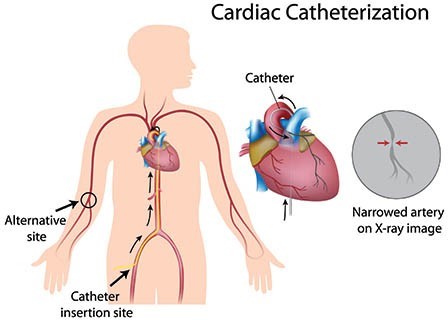
Answer: B. You can take a shower 1 day after your procedure.
Rationale:
A. You can resume a regular diet 3 days after your procedure:
There is typically no need to delay resuming a regular diet for three days after a cardiac catheterization. Most clients can resume their usual diet shortly after the procedure once they are fully awake and any nausea has resolved.
B. You can take a shower 1 day after your procedure:
It is generally safe to shower the day after a cardiac catheterization as long as the insertion site remains protected. Clients should avoid soaking in a bath or swimming until the site is fully healed to prevent infection.
C. You can begin exercising 2 days after your procedure:
Strenuous activities, including exercise, should generally be avoided for a few days to a week following a cardiac catheterization. This allows time for the insertion site to heal and reduces the risk of complications such as bleeding.
D. You can return to school 1 week after your procedure:
Most clients can return to school or normal activities within a few days, provided they feel well and avoid excessive physical exertion. A full week off is typically not necessary unless specified by the healthcare provider based on the individual’s recovery.
Whether you are a student looking to ace your exams or a practicing nurse seeking to enhance your expertise , our nursing education contents will empower you with the confidence and competence to make a difference in the lives of patients and become a respected leader in the healthcare field.
Visit Naxlex, invest in your future and unlock endless possibilities with our unparalleled nursing education contents today