
A nurse is caring for a patient who has a low platelet count and is at risk for bleeding. Which of the following is a critical factor or priority that the nurse should apply when considering how to obtain the patient’s vital signs?
Do not let the patient know you are counting their respirations
Let the patient rest for 5 minutes before you measure their blood pressure
Do not measure the patient’s temperature rectally
Count the patient’s radial pulse for 30 seconds and multiply it by 2
The Correct Answer is C
A. Do not let the patient know you are counting their respirations:
This is not directly related to obtaining vital signs and is not a critical factor for a patient with a low platelet count.
B. Let the patient rest for 5 minutes before you measure their blood pressure:
Allowing the patient to rest for a few minutes before measuring blood pressure is a good practice but may not be as critical as other considerations in a patient with a low platelet count.
C. Do not measure the patient’s temperature rectally:
Patients with low platelet counts are at an increased risk of bleeding. Rectal temperatures can be invasive and carry a risk of mucosal injury, making them less advisable in patients with bleeding risks.
D. Count the patient’s radial pulse for 30 seconds and multiply it by 2:
Counting the radial pulse is a suitable method for assessing heart rate in a patient at risk for bleeding. However, rectal temperature measurement should be avoided due to the risk of mucosal injury.
Nursing Test Bank
Naxlex Comprehensive Predictor Exams
Related Questions
Correct Answer is C
Explanation
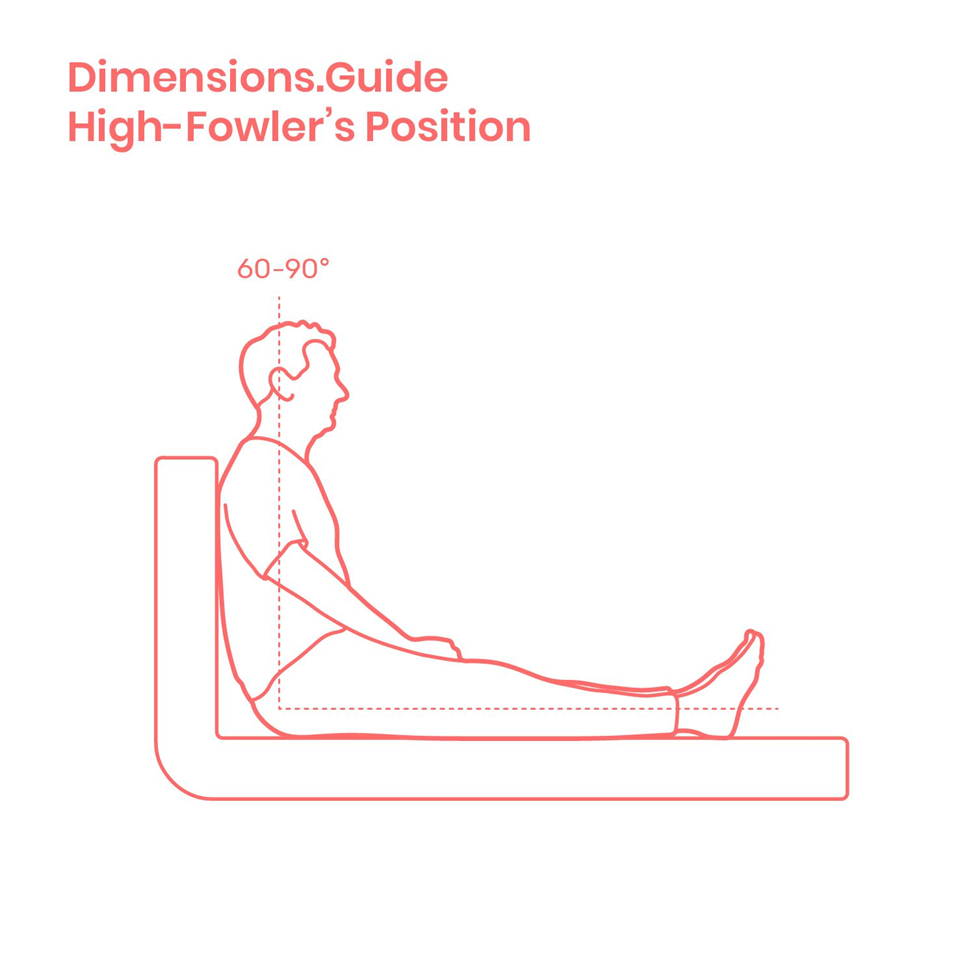
A. 30 degrees:
This angle does not meet the criteria for a High Fowler's position, which requires a more upright position.
B. 15 to 20 degrees:
This angle is lower than what is generally considered as High Fowler's position. High Fowler's is a more upright position.
C. 90 degrees:
High Fowler's position involves elevating the head of the bed to 90 degrees. This position is often used for better lung expansion and respiratory function.
D. 45-60 degrees:
While this range is higher than a semi-Fowler's position, it is not as upright as the 90-degree elevation in a High Fowler's position.
Correct Answer is A
Explanation
A. Allow the patient to relax and then recheck the patient’s B/P in 5 minutes:
The initial elevated blood pressure reading could be influenced by the patient's anxiety about visiting the doctor. Allowing the patient to relax and rechecking the blood pressure after a few minutes may provide a more accurate reading.
B. Document the elevated blood pressure and notify the physician immediately:
It is premature to immediately notify the physician based on a single elevated blood pressure reading. Reassessing after the patient has had time to relax is a reasonable approach before taking further action.
C. Begin education related to hypertension (high blood pressure):
While patient education is important, addressing the patient's anxiety and obtaining accurate blood pressure readings should be the initial focus.
D. Schedule the patient for follow-up visits for measurement and monitoring of the patient’s blood pressure:
Scheduling follow-up visits may be necessary based on subsequent assessments, but the immediate concern is to recheck the blood pressure after allowing the patient to relax.
Whether you are a student looking to ace your exams or a practicing nurse seeking to enhance your expertise , our nursing education contents will empower you with the confidence and competence to make a difference in the lives of patients and become a respected leader in the healthcare field.
Visit Naxlex, invest in your future and unlock endless possibilities with our unparalleled nursing education contents today