
A nurse is collecting data from a 6-month-old infant in the well-child clinic.
Which of the following findings should the nurse expect?
Lateral incisors are present.
Posterior fontanel is closed.
Infant's birth weight is tripled.
Infant sits well without support.
The Correct Answer is B
A. Lateral incisors are present: At 6 months, infants typically begin teething, but the lateral incisors usually do not appear until around 9 to 13 months. The first teeth to emerge are usually the lower central incisors.
B. Posterior fontanel is closed: The posterior fontanel, or the soft spot at the back of the baby's head, typically closes by 2 to 3 months of age. Therefore, it is expected to be closed by the time the infant is 6 months old.
C. Infant's birth weight is tripled: By 6 months, infants generally double their birth weight. Tripling of birth weight is more commonly expected by the end of the first year.
D. Infant sits well without support: Most infants begin to sit without support around 7 to 9 months. At 6 months, they may sit with some support but are not yet expected to sit well independently.
Nursing Test Bank
Naxlex Comprehensive Predictor Exams
Related Questions
Correct Answer is D
Explanation
A postpartum fever is defined as a temperature greater than 100.4 degrees F (38.0 degrees C) on at least two occasions.
These fevers cannot be ignored as they can represent serious infections. The first task is to identify the source.
Choice A is not correct because continuing to monitor for another hour may delay necessary treatment.
Choice B is not correct because administering an antipyretic may only treat the symptom and not address the underlying cause of the fever.
Choice C is not correct because assisting the client in ambulation does not address the underlying cause of the fever.
Correct Answer is B
Explanation
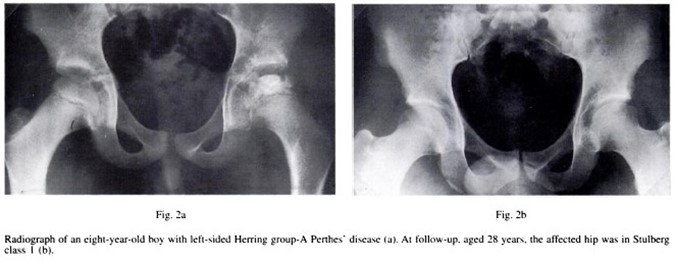
Radiographs are vital to the diagnosis of Legg-Calve-Perthes disease.
Initial X-rays might look normal because it can take one to two months after symptoms begin for the changes associated with Legg-Calve-Perthes disease to become evident on X-rays.
The doctor will likely recommend several X-rays over time, to track the progression of the disease.
Bone biopsy is not a diagnostic procedure for Legg-Calve-Perthes disease.
MRI can visualize bone damage caused by Legg-Calve-Perthes disease more clearly than X-rays can but are not always necessary.
Genetic testing is not a diagnostic procedure for Legg-Calve-Perthes disease.
Whether you are a student looking to ace your exams or a practicing nurse seeking to enhance your expertise , our nursing education contents will empower you with the confidence and competence to make a difference in the lives of patients and become a respected leader in the healthcare field.
Visit Naxlex, invest in your future and unlock endless possibilities with our unparalleled nursing education contents today