
A nurse is collecting data from a client who is receiving epidural anesthesia. Which of the following findings indicates an adverse effect of this method of pain management?
Tachycardia
Fever
Tachypnea
Hypertension
The Correct Answer is C
Rationale:
A. Tachycardia is not a common or direct adverse effect of epidural anesthesia itself. While a rapid heart rate may occur secondary to maternal anxiety or as a compensatory response to hypotension, it is not the primary physiological marker for epidural complications. Heart rate typically remains stable or may decrease slightly as pain is relieved and sympathetic activity is modulated.
B. Fever is a documented potential adverse effect associated with epidural anesthesia, particularly during labor. The exact mechanism is multifactorial, potentially involving altered thermoregulation, reduced heat dissipation due to sympathetic blockade, or a non-infectious inflammatory response. Clinicians must distinguish this pharmacological pyrexia from maternal infection to ensure appropriate neonatal and maternal management following the delivery.
C. Tachypnea, or an increased respiratory rate, is generally not associated with epidural anesthesia. In fact, if the anesthesia level rises too high, it can lead to respiratory depression or a decreased rate due to the blockade of intercostal muscle nerves. Effective epidural analgesia usually promotes a more relaxed, normal breathing pattern by successfully alleviating the physiological stress and hyperventilation caused by acute pain.
D. Hypertension is the opposite of the expected vascular response to epidural anesthesia. The local anesthetic typically causes a sympathetic blockade, leading to peripheral vasodilation and a significant risk of maternal hypotension rather than high blood pressure. Monitoring blood pressure is a critical nursing priority because decreased systemic vascular resistance can compromise placental perfusion and lead to fetal heart rate decelerations.
Nursing Test Bank
Naxlex Comprehensive Predictor Exams
Related Questions
Correct Answer is C
Explanation
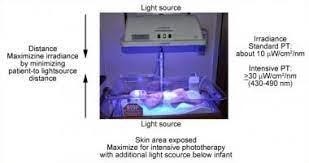
A) Incorrect- Applying ointment to the skin during phototherapy is typically avoided as it can interfere with the effectiveness of the therapy.
B) Incorrect- Giving distilled water after feedings is not a typical intervention for phototherapy.
C) Correct - Repositioning the newborn every 2 to 3 hours is important to ensure adequate exposure of the skin to the phototherapy lights and to prevent pressure points.
D) Incorrect- Monitoring blood glucose levels is not a standard intervention during phototherapy unless there are specific indications for doing so.
Correct Answer is C
Explanation
A) Incorrect- Nifedipine is a calcium channel blocker used for conditions like high blood pressure, not for controlling postpartum bleeding.
B) Incorrect- Terbutaline is a bronchodilator and is not typically used for postpartum bleeding.
C) Correct - Oxytocin is a uterotonic medication often used to control excessive bleeding after childbirth. It helps the uterus contract and reduces the risk of postpartum hemorrhage.
D) Incorrect- Betamethasone is a corticosteroid used to enhance fetal lung maturity when given to pregnant clients at risk of preterm birth

Whether you are a student looking to ace your exams or a practicing nurse seeking to enhance your expertise , our nursing education contents will empower you with the confidence and competence to make a difference in the lives of patients and become a respected leader in the healthcare field.
Visit Naxlex, invest in your future and unlock endless possibilities with our unparalleled nursing education contents today