
A nurse is completing postmortem documentation for a client. Which of the following information should the nurse include in the documentation?
Location of the identification tag on the client's body
Cause of the client's death
Last set of the client's vital signs
Copy of the client's advance directives
The Correct Answer is A
a. Location of the identification tag on the client's body: This is essential information that should be included in the documentation. It ensures that the deceased person is properly identified and helps prevent any mix-ups during subsequent processes, such as transferring the body to the morgue or a funeral home.
b-While this information is important, it's typically documented by the physician on the death certificate and is not generally part of the nurse's postmortem documentation.
c-The last set of vital signs is not usually required for postmortem documentation. Postmortem documentation focuses on the condition of the body and identification rather than the final vital signs, which are often irrelevant after death.
d-Advance directives should be reviewed before death and guide the care provided, but they are not part of postmortem documentation. A copy of the client's advance directives may also be included in their medical record but is not typically included in postmortem documentation.
Nursing Test Bank
Naxlex Comprehensive Predictor Exams
Related Questions
Correct Answer is ["B","E"]
Explanation
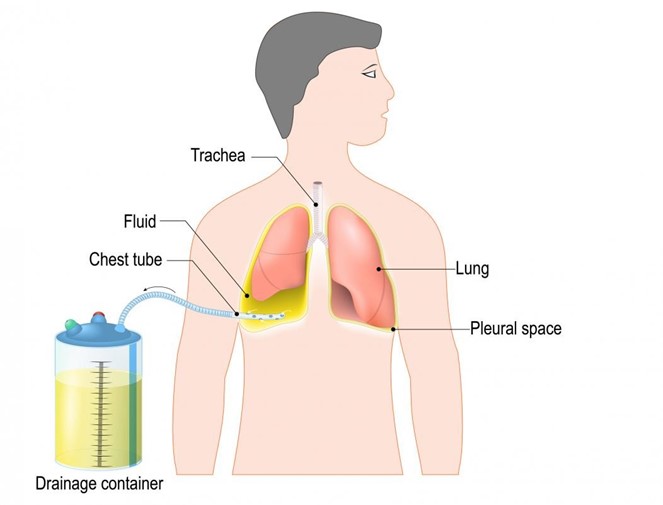
b. Ensure the chest tube remains below the level of the client's chest.
e. Reinforce loose dressing around the tube.
When managing a chest tube, it is important for the nurse to ensure that the chest tube remains below the level of the client's chest¹. This helps to prevent air from entering the pleural space and allows for proper drainage of fluid. The nurse should also reinforce any loose dressing around the tube to maintain a secure seal¹.
Correct Answer is B
Explanation
Veracity refers to the ethical principle of truthfulness and honesty in communication. By communicating truthfully about the adverse effects of the client's prescribed medications, the nurse is practising veracity. This means providing accurate and complete information to the client, enabling them to make informed decisions about their healthcare.
Beneficence refers to the obligation of healthcare professionals to act in the best interests of the client and promote their well-being. While the nurse's actions may align with beneficence by providing information about medication adverse effects, it is specifically veracity that is demonstrated in this scenario.
Justice pertains to fairness and equal treatment. Although important in healthcare, it is not directly related to the nurse's communication of adverse effects.
Autonomy refers to respecting and supporting the client's right to make their own decisions about their care. While the nurse's truthful communication about adverse effects supports the client's autonomy, it is the concept of veracity that specifically addresses honesty and truthfulness in communication.
Whether you are a student looking to ace your exams or a practicing nurse seeking to enhance your expertise , our nursing education contents will empower you with the confidence and competence to make a difference in the lives of patients and become a respected leader in the healthcare field.
Visit Naxlex, invest in your future and unlock endless possibilities with our unparalleled nursing education contents today