
A nurse is contributing to the plan of care for a client who has major depressive disorder.
Which of the following recommendations should the nurse include in the plan of care?
Suggest the client exercise before going to bed.
Recommend the client spend time alone in his room.
Encourage the client to use positive self-talk.
Offer the client low-protein snacks throughout the day.
The Correct Answer is C
Helping the client develop positive self-talk and challenging negative thoughts can be beneficial in managing depressive symptoms. Assisting the client in recognizing negative self-perceptions and replacing them with more positive and realistic thoughts can help improve mood and self-esteem.
Exercise has been shown to have mood-enhancing effects and can help alleviate symptoms of depression. However, exercise should be done earlier in the day rather than right before bedtime, as it can have stimulating effects that may interfere with sleep.
It is important to encourage the client to engage in activities and spend time with others. Isolation and spending excessive time alone can exacerbate depressive symptoms. However, it is also important to respect the client's need for privacy and personal space.
While diet does play a role in overall well-being, there is no specific evidence to support the use of low-protein snacks for the treatment of major depressive disorder. It is important to provide the client with a well-balanced diet that includes a variety of nutrients to support overall health.
Nursing Test Bank
Naxlex Comprehensive Predictor Exams
Related Questions
Correct Answer is C
Explanation
a.Applying the restraint under the client's clothes: Restraints should be applied over the client's clothes to avoid direct skin contact and reduce the risk of skin irritation or injury.
b.Tying the restraint to the railing of the client's bed: Restraints should not be tied to bed rails or any other fixed objects. This can increase the risk of injury to the client and should be avoided.
c.Placing the client in a sitting position is appropriate when applying a belt restraint, as it helps prevent respiratory compromise and allows the client to maintain a safer and more comfortable posture.
d.A belt restraint should be placed around the client's waist, not across the chest, to avoid restricting breathing.
Correct Answer is C
Explanation
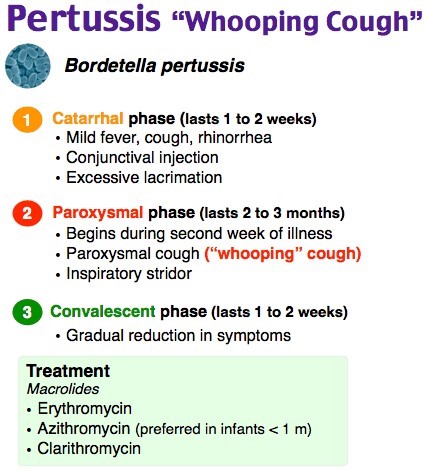
When collecting data from a child with pertussis (whooping cough), the nurse should expect the following manifestations:
- Paroxysmal cough: The hallmark symptom of pertussis is a severe, uncontrollable cough that often occurs in bursts (paroxysms) followed by a characteristic "whooping" sound as the child inhales.
- Posttussive vomiting: The coughing spells can be so severe that they may lead to vomiting.
- Inspiratory whoop: As mentioned earlier, during the inhalation phase after a coughing episode, the child may make a distinctive whooping sound.
- Cyanosis: The prolonged coughing episodes can sometimes cause the child's face to turn blue (cyanosis) due to inadequate oxygen intake.
- Fatigue and exhaustion: The frequent and intense coughing episodes can be exhausting for the child, leading to fatigue and sleep disturbances.
Other possible manifestations of pertussis can include a mild fever, runny nose, and sneezing. However, these symptoms are less specific to pertussis and can be seen in other respiratory infections as well.
The manifestations listed in the question (beefy, red tongue; facial erythema; peeling of the hands and feet) are not typically associated with pertussis and may be indicative of other conditions or diseases. It is important to consult a healthcare provider for a proper evaluation and diagnosis.
Whether you are a student looking to ace your exams or a practicing nurse seeking to enhance your expertise , our nursing education contents will empower you with the confidence and competence to make a difference in the lives of patients and become a respected leader in the healthcare field.
Visit Naxlex, invest in your future and unlock endless possibilities with our unparalleled nursing education contents today