
A nurse is developing a plan of care for a client who has a new ileal conduit. Which of the following should the nurse include as risks for the client? (Select all that apply.)
Anxiety
Impaired skin integrity
Infection
Fluid volume deficit
Disturbed body image
Correct Answer : A,B,C,E
Choice A reason: A new ileal conduit is a permanent life change that requires the client to learn complex self-care skills. The uncertainty regarding stoma management, fear of appliance leakage in public, and the lifestyle adjustments required often lead to significant anxiety. The nurse must address these psychological stressors during the initial postoperative period to promote successful adaptation.
Choice B reason: The continuous drainage of urine from the stoma creates a high risk for peristomal skin breakdown. Urine is caustic to the skin, and moisture trapped under the skin barrier can lead to maceration, dermatitis, or fungal infections. Maintaining a secure, well-fitted appliance and assessing the skin frequently are essential nursing interventions for this risk.
Choice C reason: Surgical creation of an ileal conduit involves bowel resection and ureteral implantation, increasing the risk for peritonitis or wound infection. Furthermore, since the conduit is a direct pathway to the kidneys without a sphincter, the client is at lifelong risk for ascending urinary tract infections or pyelonephritis requiring vigilant monitoring.
Choice D reason: While postoperative patients require fluid monitoring, an ileal conduit does not typically cause a chronic fluid volume deficit. Unlike an ileostomy, where significant water and electrolytes are lost through liquid stool, the ileal conduit simply transports urine. Unless there is excessive surgical bleeding or unrelated dehydration, this is not a primary risk.
Choice E reason: The permanent diversion of urine to an external pouch on the abdomen significantly alters the client's physical appearance and "normal" elimination process. Concerns regarding sexual function, clothing choices, and the presence of a stoma frequently lead to a disturbed body image, necessitating supportive counseling and referral to an ostomy nurse.
Nursing Test Bank
Naxlex Comprehensive Predictor Exams
Related Questions
Correct Answer is C
Explanation
Choice A rationale
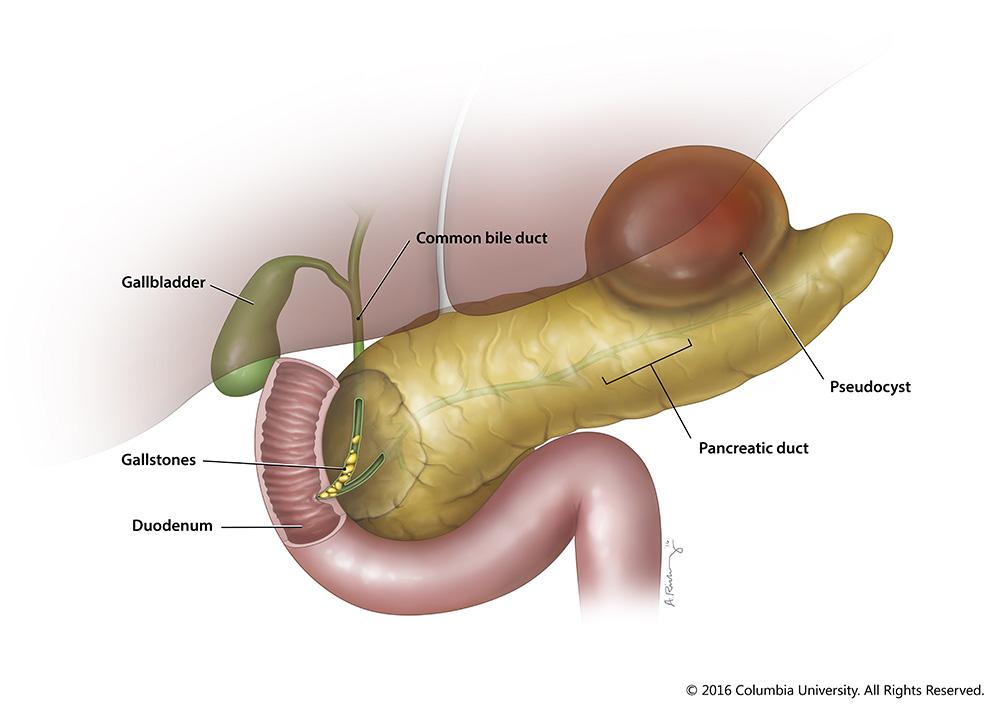
Congestive heart failure is not directly associated with an increased risk of developing acute pancreatitis. While it can contribute to overall health deterioration, it does not cause the condition.
Choice B rationale
Emphysema primarily affects the lungs and does not increase the risk of acute pancreatitis. It is a chronic obstructive pulmonary disease and is unrelated to pancreatic function.
Choice C rationale
Alcohol abuse is a well-known risk factor for acute pancreatitis. It can lead to repeated episodes of inflammation in the pancreas, which can eventually become chronic and lead to acute pancreatitis.
Choice D rationale
Diabetes mellitus is a result of chronic pancreatitis or can be a comorbidity, but it is not a direct cause of acute pancreatitis. However, it can be associated with complications related to the pancreas.
Correct Answer is ["A","B","C","E"]
Explanation
Choice A rationale
Anorexia, or loss of appetite, is common in UC due to abdominal pain and discomfort, as well as the psychological impact of chronic illness.
Choice B rationale
Rectal bleeding is a hallmark symptom of UC, indicating moderate to severe inflammation of the colon, which can lead to ulcers and bleeding.
Choice C rationale
Left lower quadrant pain is typical in UC because the disease often affects the descending colon, which is located in this area.
Choice D rationale
Right lower quadrant pain is more characteristic of conditions like appendicitis. UC typically does not cause pain in this area unless it is extensive and involves the right colon.
Choice E rationale
Steatorrhea, or fatty stools, can occur in UC if the disease affects the ileum, leading to malabsorption of fats.
Whether you are a student looking to ace your exams or a practicing nurse seeking to enhance your expertise , our nursing education contents will empower you with the confidence and competence to make a difference in the lives of patients and become a respected leader in the healthcare field.
Visit Naxlex, invest in your future and unlock endless possibilities with our unparalleled nursing education contents today