
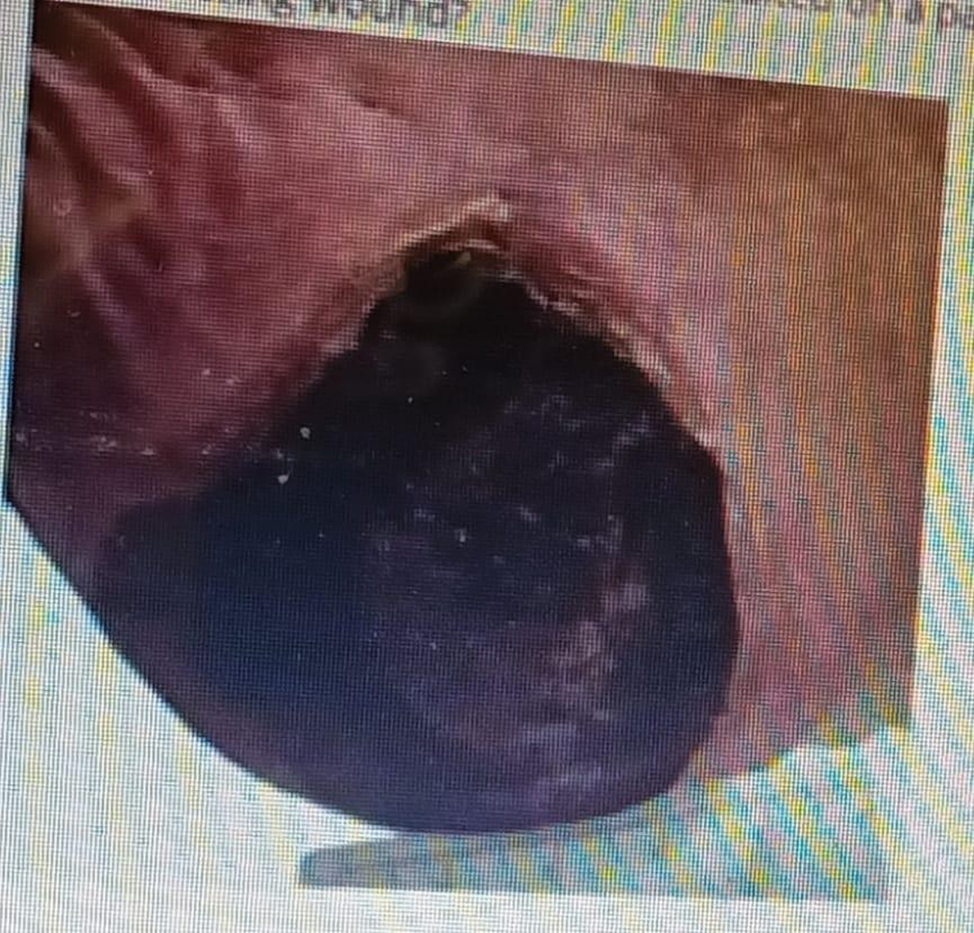
A wound care nurse has been consulted on a patient with multiple pressure wounds. The nurse comes across this heal wound. How should she document the following wound?
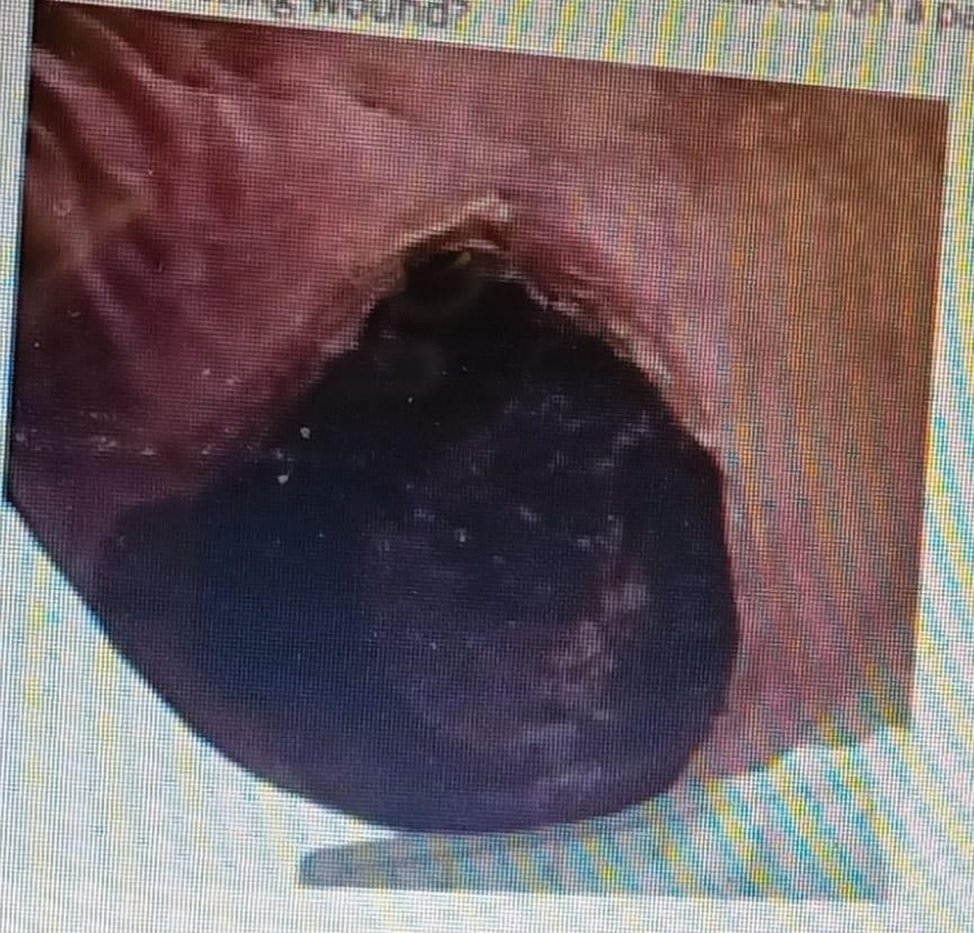
Unstageable Ulcer
Stage II Pressure Ulcer
Stage IV Pressure Ulcer
Stage III Pressure Ulcer
The Correct Answer is A
Choice A rationale: An unstageable ulcer is covered with slough or eschar, making it difficult to determine the depth of tissue involvement. The presence of eschar prevents accurate staging of the wound.
Choice B rationale: Stage II pressure ulcers involve partial-thickness skin loss, typically presenting as a shallow open ulcer with a red-pink wound bed.
Choice C rationale: Stage IV pressure ulcers involve full-thickness tissue loss with exposed bone, tendon, or muscle, which is not described in this scenario.
Choice D rationale: Stage III pressure ulcers involve full-thickness tissue loss without exposed bone, tendon, or muscle, but the presence of eschar makes accurate staging challenging.
Nursing Test Bank
Naxlex Comprehensive Predictor Exams
Related Questions
Correct Answer is D
Explanation
Choice A rationale: Polyuria refers to excessive production of urine, so "Inadequate elimination of urine" is not an accurate description.
Choice B rationale: Polyuria does not mean the absence of urine; rather, it implies an increased urinary volume.
Choice C rationale: Polyuria is not related to difficult or uncomfortable voiding.
Choice D rationale: Polyuria is characterized by greater than normal urinary volume, so this is the correct description.
Correct Answer is B
Explanation
Choice A rationale: Protective supine positioning is not ideal for managing dysphagia or facilitating swallowing.
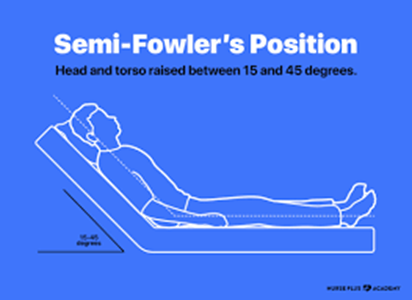
Choice B rationale: Semi-Fowlers positioning, with the head of the bed elevated at a 30 to 45-degree angle, is often recommended for clients with dysphagia. This position helps prevent aspiration during eating and promotes effective swallowing.
Choice C rationale: Low-Fowlers and Fowlers positions may not be as effective in preventing aspiration during eating as the Semi-Fowlers position.
Choice D rationale: Fowlers positioning alone may not be sufficient for managing dysphagia; Semi-Fowlers is a more specific recommendation.
Whether you are a student looking to ace your exams or a practicing nurse seeking to enhance your expertise , our nursing education contents will empower you with the confidence and competence to make a difference in the lives of patients and become a respected leader in the healthcare field.
Visit Naxlex, invest in your future and unlock endless possibilities with our unparalleled nursing education contents today