
Upon assessment of a client's wound, the nurse notes the formation of granulation tissue. The tissue bleeds easily when the nurse performs wound care. What is the phase of wound healing characterized by the nurse's assessment?
Hemostasis
Inflammatory phase
Maturation phase
Proliferation phase
The Correct Answer is D
Choice A rationale: Hemostasis is the initial phase of wound healing that involves vasoconstriction and clot formation to control bleeding.
Choice B rationale: The inflammatory phase involves the removal of debris and the influx of inflammatory cells to the wound site.
Choice C rationale: The maturation phase is characterized by the remodeling of collagen and scar formation.
Choice D rationale: Granulation tissue formation and easy bleeding during wound care are characteristic of the proliferation phase, which involves tissue repair and regeneration.
Nursing Test Bank
Naxlex Comprehensive Predictor Exams
Related Questions
Correct Answer is A
Explanation
Choice A rationale: Wound healing by first intention involves the approximation of wound edges, often closed with sutures or staples, resulting in minimal scar formation.
Choice B rationale: Contamination at the time of injury is not characteristic of wounds healing by first intention.
Choice C rationale: Granulation tissue forming at the bottom of the wound bed is characteristic of wounds healing by second intention, not first intention.
Choice D rationale: Healing of the wound is typically quicker and involves less scarring in wounds healing by first intention compared to second intention.
Correct Answer is A
Explanation
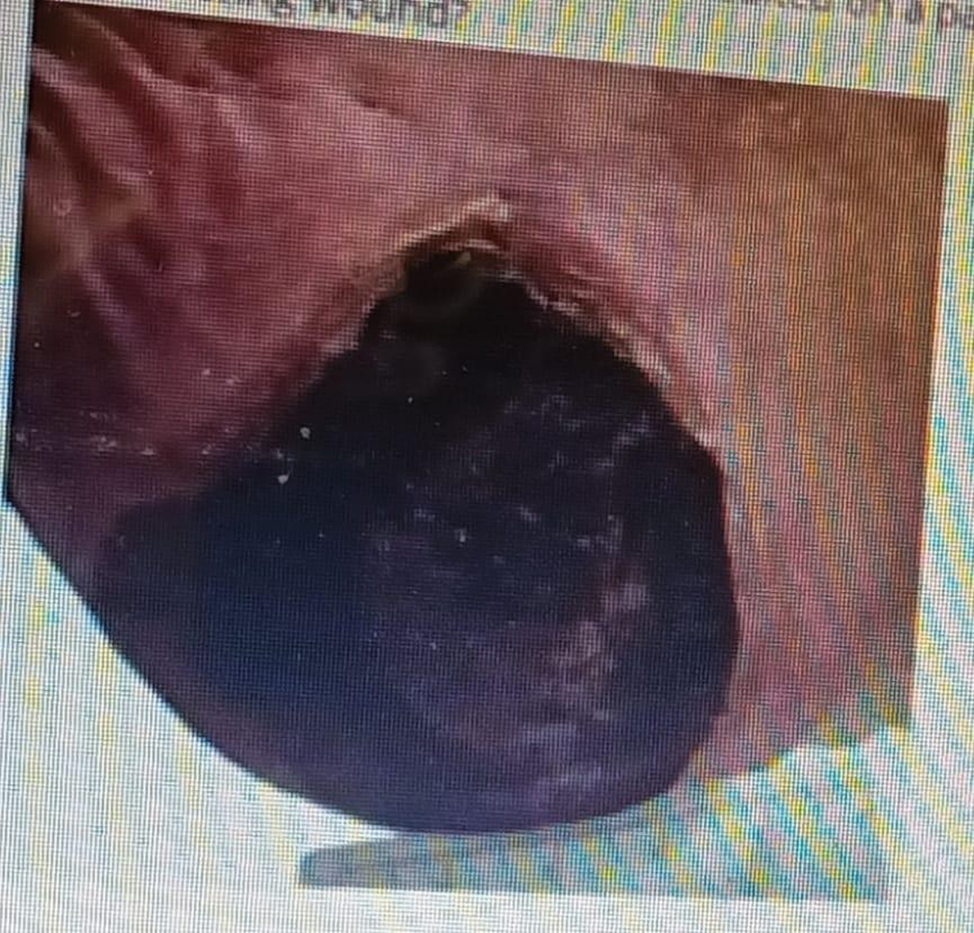
Choice A rationale: An unstageable ulcer is covered with slough or eschar, making it difficult to determine the depth of tissue involvement. The presence of eschar prevents accurate staging of the wound.
Choice B rationale: Stage II pressure ulcers involve partial-thickness skin loss, typically presenting as a shallow open ulcer with a red-pink wound bed.
Choice C rationale: Stage IV pressure ulcers involve full-thickness tissue loss with exposed bone, tendon, or muscle, which is not described in this scenario.
Choice D rationale: Stage III pressure ulcers involve full-thickness tissue loss without exposed bone, tendon, or muscle, but the presence of eschar makes accurate staging challenging.
Whether you are a student looking to ace your exams or a practicing nurse seeking to enhance your expertise , our nursing education contents will empower you with the confidence and competence to make a difference in the lives of patients and become a respected leader in the healthcare field.
Visit Naxlex, invest in your future and unlock endless possibilities with our unparalleled nursing education contents today